
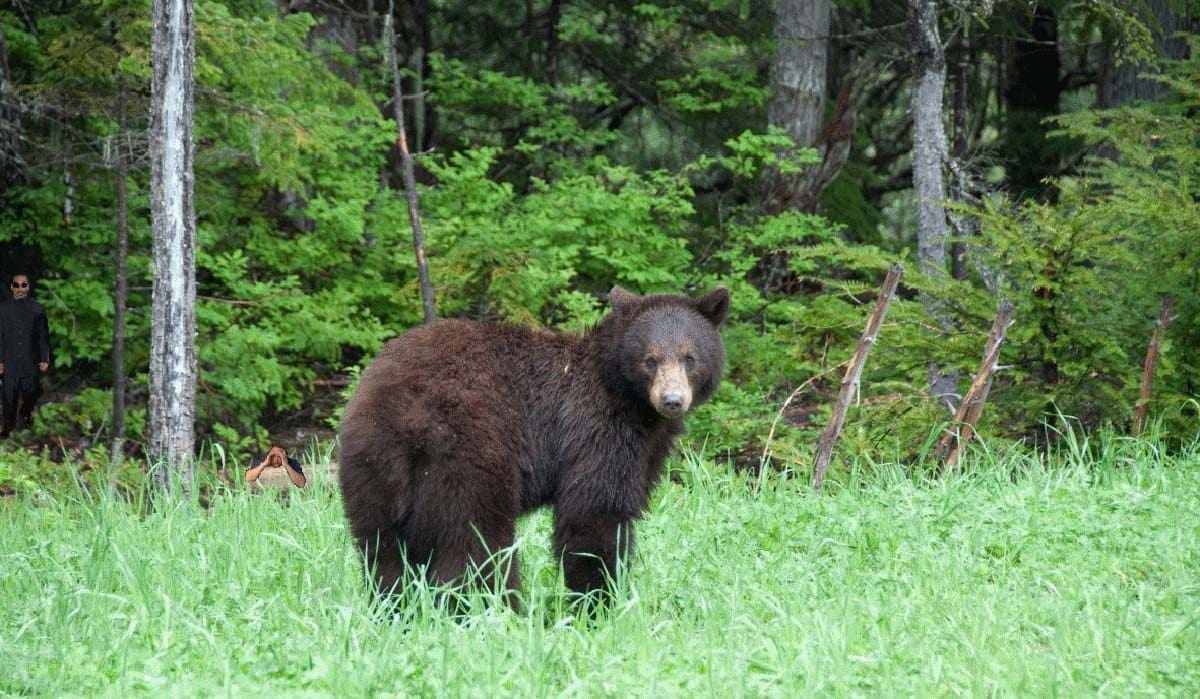
Sharing the landscape with bears is one of the most profound parts of living and playing in the Sea to Sky corridor. Whether you are navigating the mossy old-growth around Whistler (like Cheakamus Lake) or heading deeper into the backcountry, encountering a black bear or a grizzly is a reminder that we are guests in a very old, very active ecosystem.
For families, “Bear Awareness” isn’t about fear; it’s about competence. It’s about building a set of habits that allow us to move through the mountains with respect and minimal impact.
Here is the essential framework for staying safe in bear country.
The Prevention Mindset: Don’t Be a Surprise
Bears generally want as little to do with you as they do with a noisy leaf blower. Most “aggressive” encounters are actually defensive reactions to being startled.
- Make Meaningful Noise: Forget the bear bells—they are often too quiet to be effective. Use your voice. Call out “Hey Bear” periodically, especially near rushing water, in dense brush, or when moving against the wind.
- The Group Shield: Keep the family together. For a bear, a group of four people is a large, intimidating presence. For kids, make it a game: “No one gets further than a ‘high-five’ distance away” when in thick cover.
- Situational Awareness: Ditch the earbuds. You need to hear the snap of a branch or the “woof” of a bear before you see it. Look for scat, turned-over logs, or marks on trees.
Bear Spray is Non-Negotiable
If you are on a trail in the Sea to Sky, you should be carrying bear spray. It is a highly effective, non-lethal tool, but it is only useful if it’s accessible.
- Placement: Do not put it inside your pack. It belongs in a holster on your hip or your pack’s shoulder strap. You have roughly 2–3 seconds to react in a charge; you won’t have time to dig through your bag.
- Know the Reach: Most sprays have a range of about 5 to 9 meters. Understand that wind will affect the cloud.
- Practice: Buy an inert “practice can” to understand the trigger mechanism and the force of the spray without the risk.
The Encounter: Calm is Contagious
If you do see a bear, your primary job is to remain the “calm adult” in the room. Your children will mirror your energy.
- Stop and Assess: Do not run. Running triggers a predatory chase instinct.
- Identify Yourself: Speak in a low, calm, firm voice. This tells the bear you are a human and not a prey animal.
- The Slow Retreat: Back away slowly, keeping the bear in your sight but avoiding direct, aggressive eye contact. Give the bear a clear exit route.
- Pick Up Small Children: Do this immediately to prevent them from running or making high-pitched noises.
Quick Identification: Black Bear vs. Grizzly
| Feature | Black Bear | Grizzly Bear |
|---|---|---|
| Profile | Straight face profile | “Dished” or concave face |
| Shoulders | No prominent hump | Distinctive muscle hump |
| Ears | Large, pointed | Short, rounded |
The Camp: Attractant Management
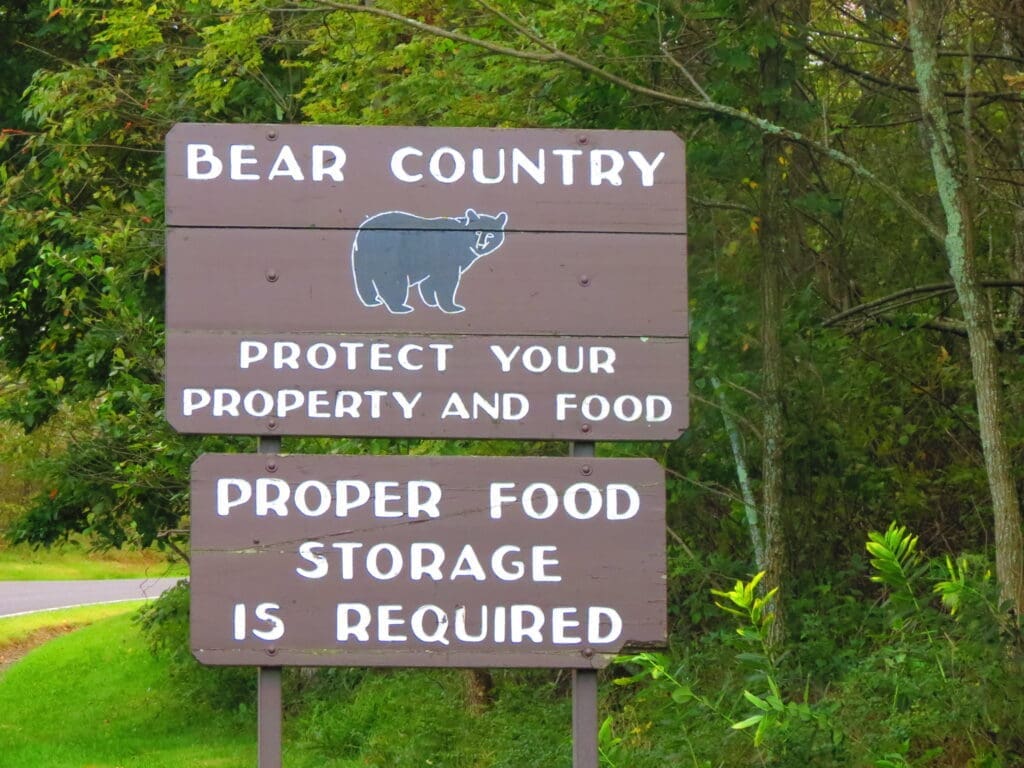
A “fed bear is a dead bear.” In the Sea to Sky, our bears are highly intelligent and opportunistic.
- The 100-Meter Rule: If you are backcountry camping, cook and store food at least 100 meters away from where you sleep.
- Zero Trace: This includes “organic” trash like apple cores or orange peels. These scents draw bears to trails, creating “food-conditioned” animals that eventually have to be destroyed by conservation officers.
- Storage: Use bear-proof lockers where provided, or a proper bear canister. If you’re hanging food, it needs to be 4 meters high and 2 meters out from the tree trunk.
The Big Picture: Respect over Fear
We don’t go into the mountains to conquer them; we go to participate in them. Teaching your kids how to handle a bear encounter is an analog skill that builds confidence and stewardship. It turns a “scary” animal into a respected neighbor.
For more deep dives into mountain safety and family logistics, check out the rest of our Sea to Sky Family Navigator series.
Have you had a bear encounter while out with the kids? How did you handle it? Let’s keep the conversation going below.

Leave a Reply