Category: Gear

  • The Best Slippers for Camping, Travel, and Home (2026)

    The Best Slippers for Camping, Travel, and Home (2026)

    With all the beautiful chaos of life at home and on the road, comfortable feet may be the most consistent gift you can give yourself (or a loved one) for starting or ending a great day. Wherever life takes you, a good pair of slippers can be an ideal bridge between bedtime and whatever adventures await.

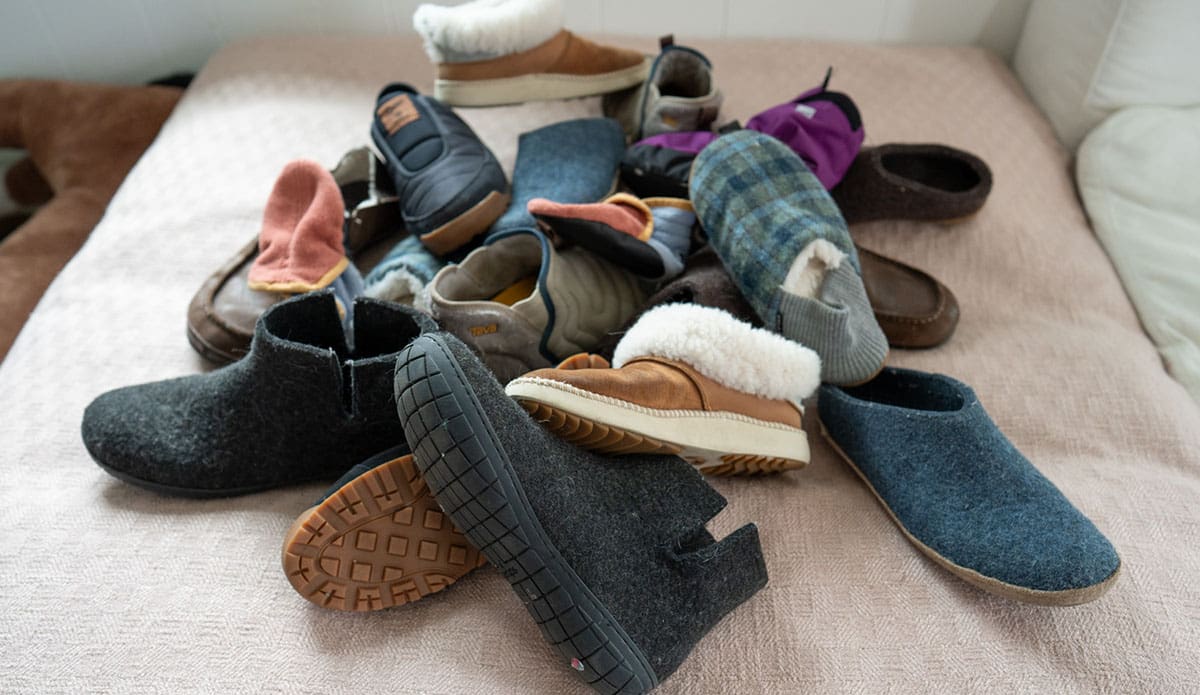
    Over the past few years we’ve been offered sliippers to test, and have sought our our own, along the way. We have come to learn that the best slipper is definitely one you have on compared to cold or overheated feet.

    We’ve tested the good, the bad, and the dreamy in damp campsites, alpine huts, Hotels of varying cleanliness, Hawaiian Lanais, and at our home in British Columbia to give this list to anyone who needs the best slipper for wherever on earth you may be. Here are our top slippers for both kids and adults, broken down by where they shine the brightest.

    We care about the recommendations we make. We sometimes (not all the time) use affiliate links to help keep the site running. Every item here has been hand-tested through years of professional outdoor work and surviving weekend trips with my own toddlers.
    Learn more about our Gear Review Policy here.

    Skip ahead: Camping | Travel | Home | Kids

    The Best Slippers for 2026

    Quick Comparison (Adults)

    SlipperPrice (USD)Best ForUpper MaterialLower Material
    Teva Re Ember$100Rugged CampsitesPolyesterRubber
    OluKai Ku’i$140Home/AirportsLeatherEVA/Rubber
    Glerups$105-$155EverythingWoolLeather or Rubber
    OluKai Moloa$140Home/TravelLeather/ShearlingNatural Gum Rubber
    Kolo$75-$115Travelling/HomeCorduroy/Linen/CanvasSuede
    Danner Jag Loft$65CampsitePolyester/PrimaLoftRubber
    OR Tundra Trax$99BackpackingPolyester/PrimaloftRubber

    The Best All-Around Slippers

    If you can only get one pair of slippers, these ones can do it all:

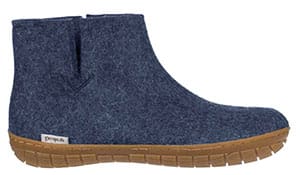
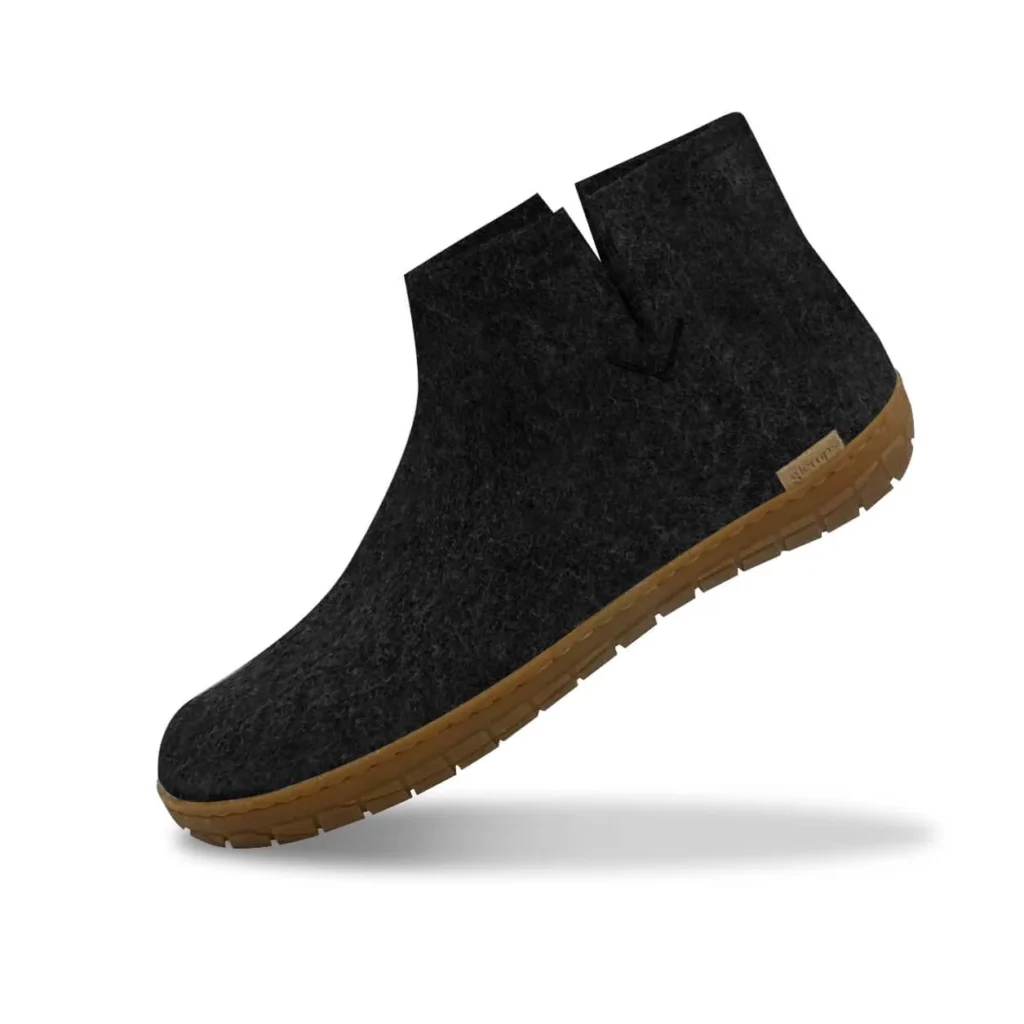
    Glerups Boot (Rubber Sole)

    a studio image of the Glerups rubber sole boot slipper for a review

    Style: Boot or Low cut
    Weight:
    Upper Material: Wool
    Sole: Rubber (Leather option found below)

    Pros: Next level comfort, warmth, breathability
    Cons: Minimal arch support

    Glerups are legendary for a reason. The Danish staples of comfort only get better the more you wear them, as long as you don’t blaspheme by wearing socks.

    By opting for the boot-cut version with the natural rubber sole, you get a travel shoe that can confidently step out onto a wet hotel balcony without ruining the base. Since it’s made from 100% natural, itch-free wool, they breathe beautifully and naturally fight odors.

    They are designed to be worn without socks, molding perfectly to the shape of your foot over time for a custom fit.


    The Best Camp Slippers

    Camping slippers need to be tough. They require a rugged outsole for late-night bathroom runs and a weather-resistant exterior to handle morning dew.

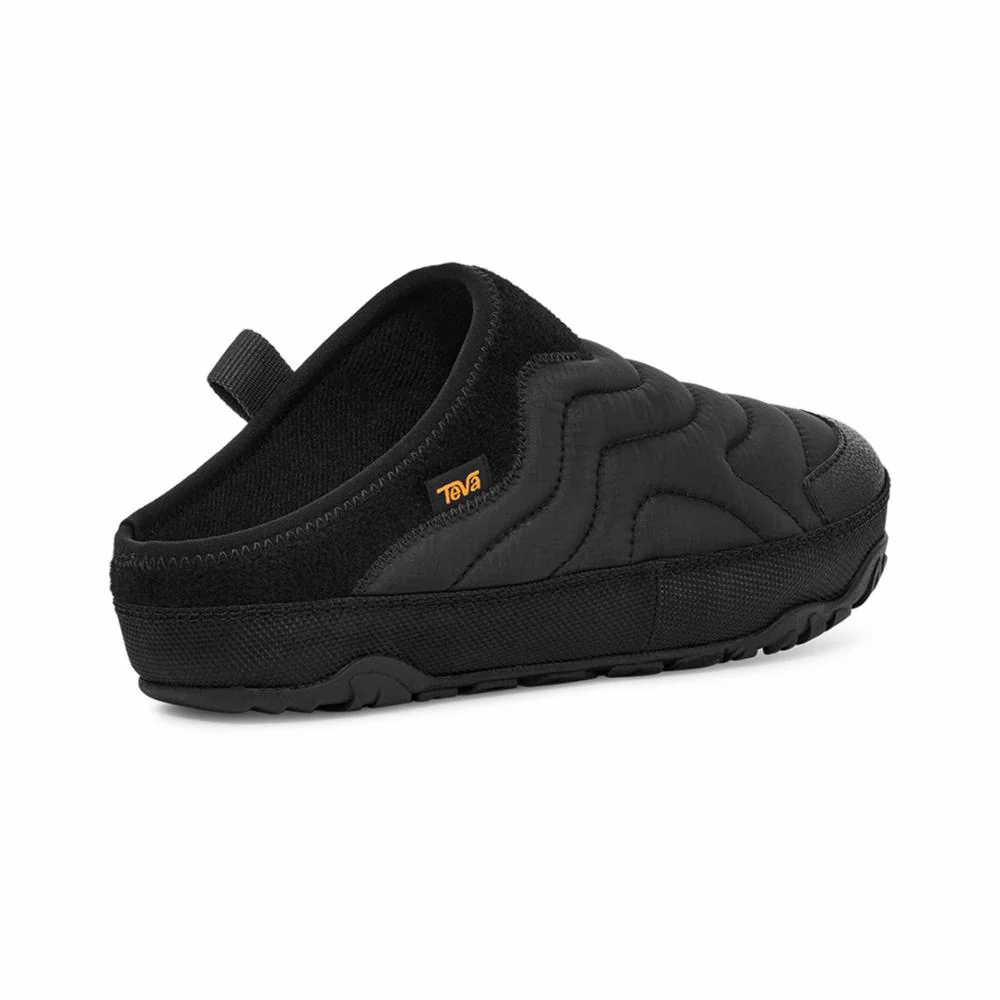
    Teva ReEmber Terrain

    a studio image of the teva reember terrain camping slipper

    Style: Slip-on
    Weight: 17 oz
    Upper Material: Polyester
    Sole: Rubber

    Pros: Great around the campsite, soft midsole
    Cons: Foam and polyester aren’t as breathable as natural materials

    These are the ultimate campsite companions. We are keeping these right by the tent door for our upcoming stay at Porteau Cove because they seamlessly bridge the gap between a cozy slipper and a durable outdoor shoe. The footbed features a massive 30mm ULTRA-COMF foam insole that feels like walking on a marshmallow. It’s warm, and that might be its biggest drawback in warmer climates. But for cold-weather camping, it gives you something other than boots to wear but won’t be shy on the trail if there’s a bit of walking to get to an outhouse or water source.

    The quilted ripstop upper is treated with TevaRAPID RESIST, making water bead right off, while the tough rubber outsole easily handles gravel, dirt, and damp grass. Although we are featuring the low-cut version, we actually tried the boot version, but it seems to be discontinued. That was probably because the higher cut can be a bit tedious for getting on and off, so the lower-cut version addresses our most critical feedback. Other than that, its’ an excellent go-to for camping out. It’s available in both men’s and women’s styles.

    Danner Jag Loft

    the jag loft camp slipper by danner

    Style: Slip-on
    Weight: 19 oz/pair
    Upper Material: Suede/Textile
    Sole: Rubber

    Pros: Exceptionally warm for a low-cut, lightweight slipper
    Cons: Being discontinued 🙁

    Word on the trail is that Danner might be phasing these out, so if you see them on sale, grab them immediately. They are a powerhouse of warmth with a sleek, low-profile design. Packed with 200G PrimaLoft® Gold insulation, they trap heat perfectly even on freezing mornings.

    The collapsible heel is an absolute lifesaver when you need to slide them on hands-free while holding an armful of firewood. Plus, the retro waffle outsole utilizes a FrostTrekker compound for serious grip on icy ground.

    DEAL ALERT! Although this model is being discontinued, it’s being offered at a huge discount on the Danner store.
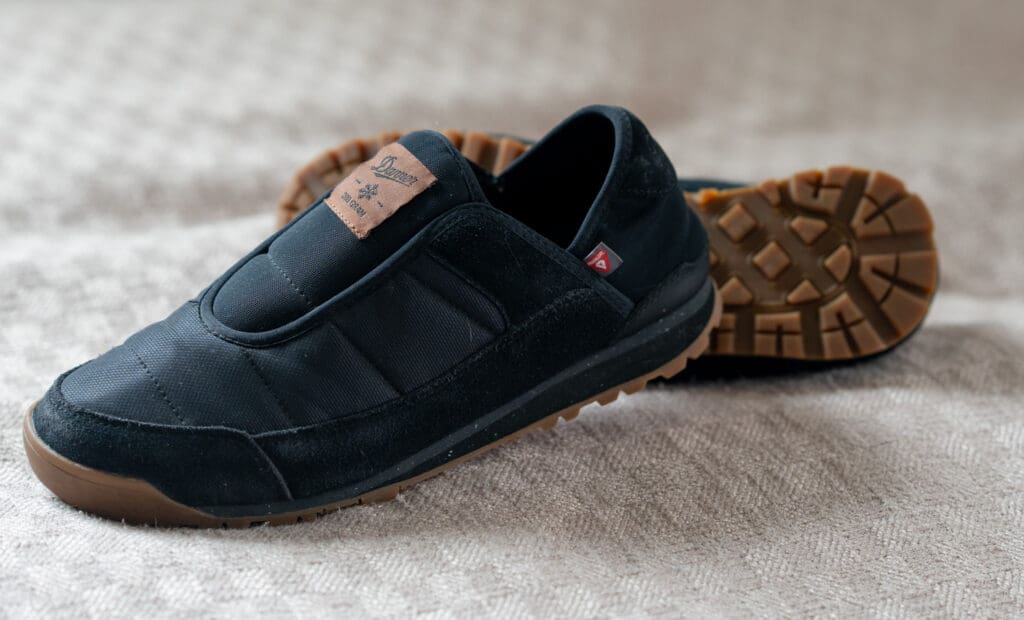
    a close up image of the danner jag loft camping slipper

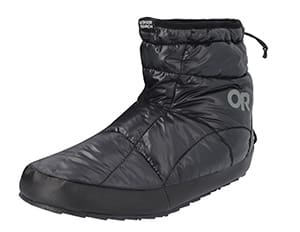
    Outdoor Research Tundra Trax Hut Booties

    a studio image of the Outdoor Research Tundra Trax hut booties

    Style: Boot or Low cut
    Weight: 1.5 lb/pair
    Upper Material: Ripstop Polyester
    Sole: Rubber with Gel insole

    Pros: Drawcord closure keeps heat in
    Cons: Not good for walking too far

    Having packable booties is a must for winter escapes in faraway cabins, or even car/RV camping where space is limited. These booties are a staple for backcountry skiing, but family trips are just as essential for saving space in the pack.

    The weather-resistant exterior easily sheds light snow and accidental coffee spills while keeping your feet toasty. While it’s not exactly what we’d call durable, it is great for quick romps outside or when getting out of tight boots and taking a load off at the end of the day. They definitely are a cold-weather type bootie, so they will probably sit in storage for summer. But even cool nights at the beach will be nice with these, especially since they repel sand quite easily.

    The Best Travel Slippers

    Travel slippers blend the need for packability with not looking like a total hobo in a hotel lobby (but being oh-so-comfortable). We chose these options on both comfort and practicality.

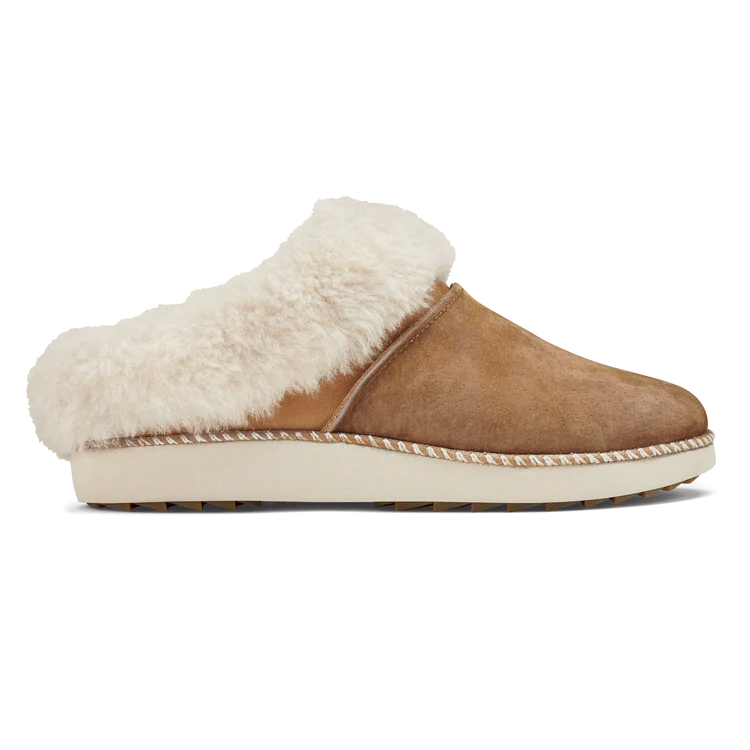
    OluKai Ku’i

    the olukai ku'i slipper

    Style: Mule
    Weight: 18 oz
    Upper Material: Leather
    Sole: EVA/Rubber

    Pros: Soft comfort, Durable sole for outdoor use
    Cons: Doesn’t pack up well

    Olukai offers some of the best premium comfort for any shoe. Their marketing tells us it’s like “walking on wet sand”, and after about two years in one of the slippers, I can confirm that it does feel like it molds to your foot in the same manner. It’s more than just hype, it’s a fantastic fit that only gets better with time.

    The Ku’i speaks to the ladies, and while it may not be small and packable to be ideal for travelling, it’s worth a bit of extra bulk and weight to keep moms happy! The rubber sole lets you get away with walking around outside, something mom loved while visiting the Nita Lake Lodge in Whistler. And if you’re on a plane for more than three hours, it’s nice to have a pair of slippers that you can still walk quite a bit in… at least to get to the baggage claim to put on some “real” shoes.
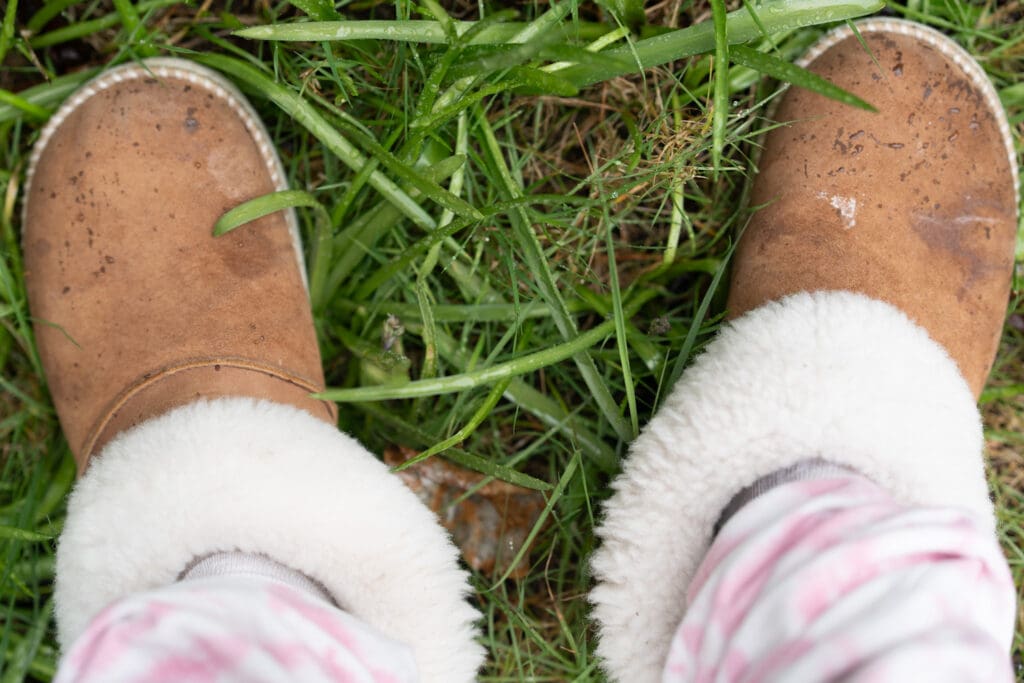
    the olukai ku'i slippers being tested outside in the grass
    The toughest choice on these are whether to have them inside or outside.

    Airports aside, these are also great at home, and with the durable outsole you can go for neighbourhood walks without wrecking them.

    OluKai also makes great options for men. We are fans of the Moloa leather slippers, which are actually excellent for packability in contrast. The shearling/leather combo is oh-so comfortable, and with the collapsable heel, you can fit them into your back packet if you really wanted to. But the shape-melding sole that gets better with time is a feeling that has us hooked.

    Packable Travel Slippers

    Sometimes we need every cubic inch of luggage space possible, especially if carting around babies or toddlers who take up the bulk of luggage (their stuff, not them!). Here are some of the best slippers that pack up easily.

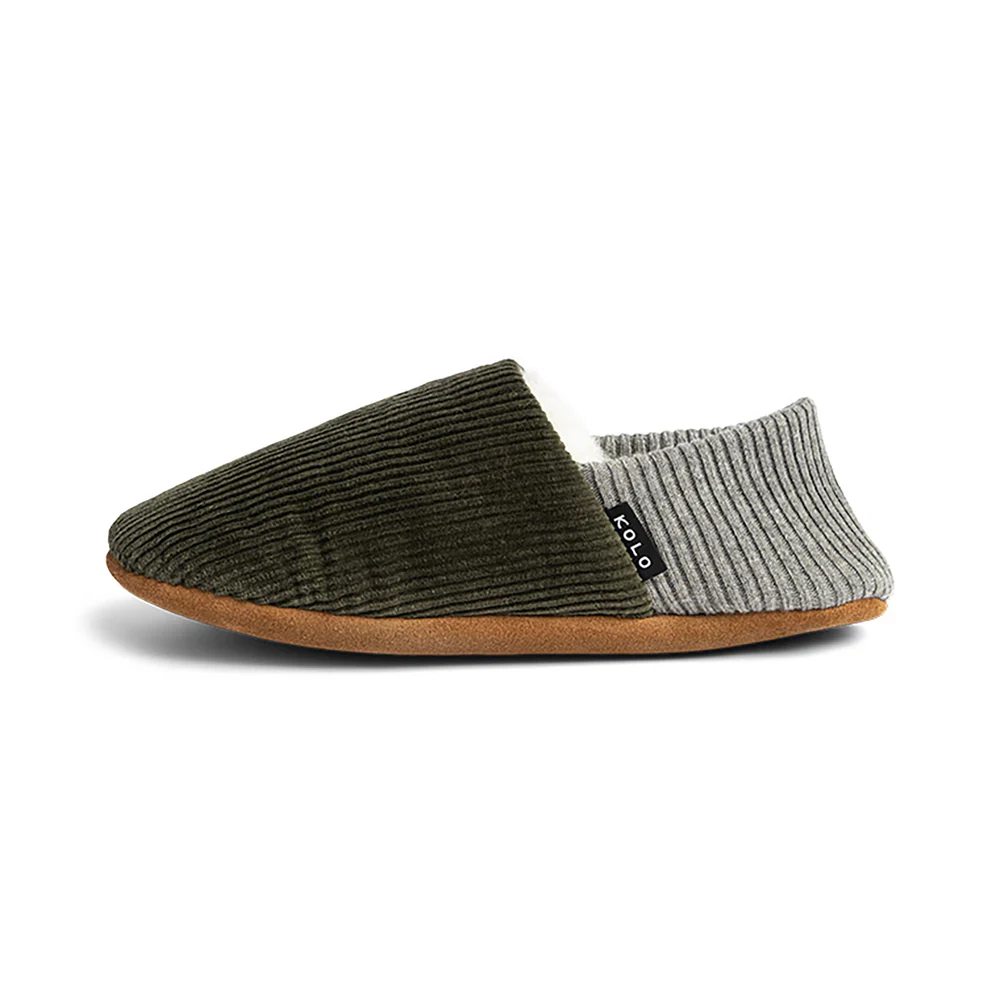
    Kolo House Shoes

    kolo house shoes best packable slippers

    Style: Slip-on
    Weight: 256g
    Upper Material: Varies
    Sole: Suede

    Pros: Soft comfort, Durable sole for outdoor use
    Cons: Faux Fur gets a bit hot, no arch support

    These slippers are marketed as “house shoes” – and they definitely go well around the house. But where they outshine others in this list is how well they can pack up, thanks to the flexible suede sole. While it doesn’t offer a ton of support, the hopes are you’ll be having your feet up relaxing for most of the time you’re wearing these, not bearing weight.

    The suede sole feels nice and light underfoot but beware if you wear them around messy toddlers as whatever they drop on the floor will end up ingrained into the sole. That’s a big reason why we prefer these on the road more than at home… but if you don’t have little ones spilling everything all the time, these are like durable socks that only get more comfortable the more you wear them.
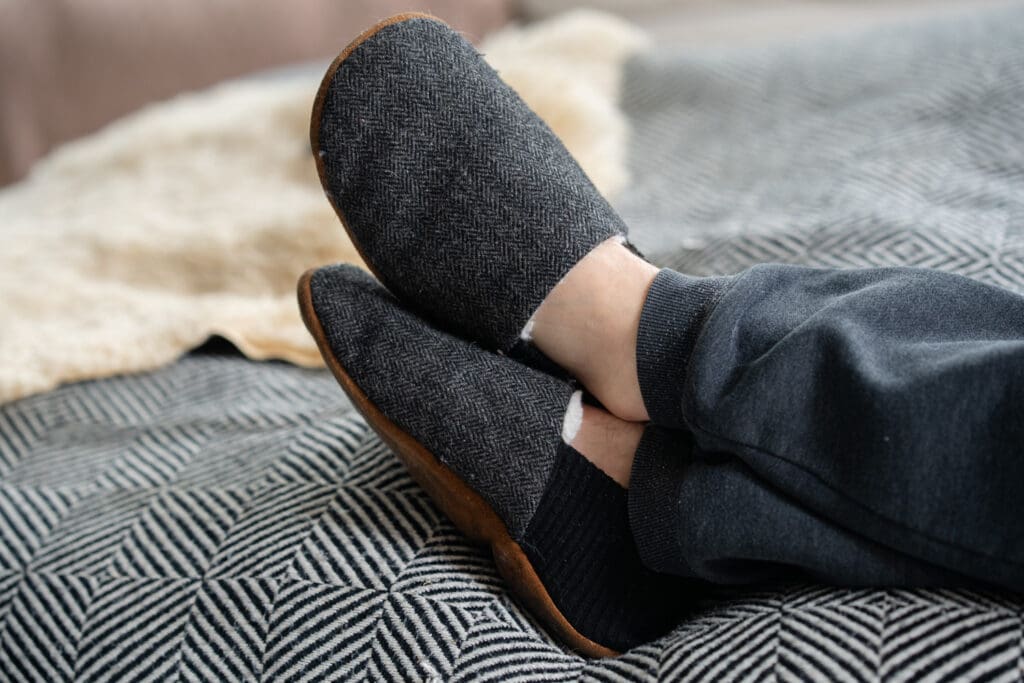
    a close up image of a person wearing the kolo house shoes on a couch
    Kicking up the feet in Kolo House Shoes

    Best Slippers for Home

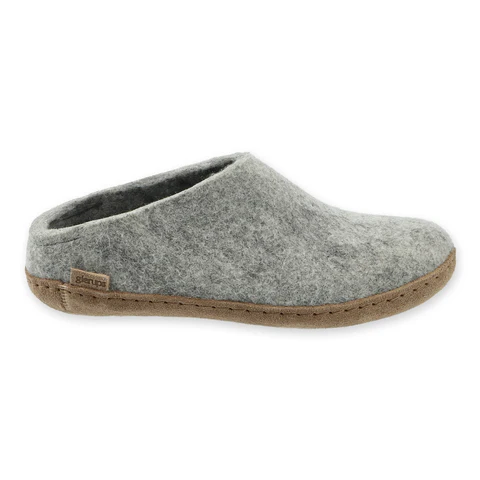
    Glerups Slip-On (Leather Sole)

    glerups slip on wool and leather slipper

    Style: Mule
    Weight: 475 g
    Upper Material: Wool
    Sole: Leather

    Pros: Super soft yet durable, shape conforms to your foot.
    Cons: Slippery on wet hardwood

    While the rubber-soled Glerups are great for travel, the low-cut slipper with the leather sole is the ultimate indoor-only slipper. The natural wool keeps your feet incredibly warm without ever letting them overheat or sweat.

    They are absolutely perfect for keeping your feet warm on cold concrete floors while tinkering in a basement workshop or making coffee on a frosty morning.

    As great as these are, they aren’t ideal if you have little ones that spill things. They stain easily and get super slippery when in contact with water. This is from painful experience… as great and comfortable as they are, they are best for carpets if toddlers are wreaking havoc around the place.

    Best Slippers for Kids

    Style: Slip-on
    Weight: 54g
    Upper Material: Fleece
    Sole: Polyester

    Pros: Easy to slip on, fits many sizes, fun colours
    Cons: Not great outdoors, poor traction

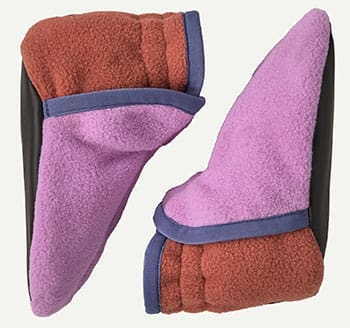
    Patagonia has a massive line of kid’s gear, and these little booties are an affordable option for warmth at night when the socks are dirty, the boots are off, but the kids aren’t ready to go to bed.

    There’s not much to the Synchilla Booties, but kid’s don’t really need bells and whistles, just something to keep their feet warm and toasty, with a little bit of protection. They pack up super small, and are just a hair larger than socks, but have a durable enough sole to protect their feet from rocks and dirt.

    We love the fact that Patagonia offers a lifetime repair guarantee, although chances are they will grow out of them first. But they will hold up through many generations of hand-me-downs, and are an easy-to-pack staple of a camping kit for kids.

    MEC Toaster Booties

    a product image of the MEC toaster booties for kids

    Style: Bootie
    Weight: Varies
    Upper Material: Polyester
    Sole: Polyester

    Pros: Good closure, high cuff
    Cons: Bottom can wear out

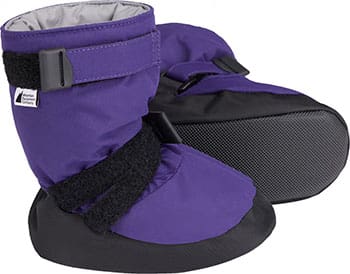
    If you are a Canadian family, you likely already know and love Mountain Equipment Company (MEC). Their “Toaster” line is legendary for keeping little ones warm during brutal winters, and these booties are no exception.

    The biggest selling point here is the design: they feature a higher cuff with an adjustable hook-and-loop closure at the ankle. This means they actually stay on kicking toddler feet, a major win for parents. They are highly insulated and weather-resistant, making them the absolute perfect piece of gear to slide onto your kids’ feet before packing them into a sled or a hiking carrier for a frosty morning walk.

    They do wear out though, so unless you’re a fan of duct tape, you’ll need to do some reinforcing if you plan on doing some hand-me-downs.


    How We Tested The Best Slippers For Travelling and Camping

    We are an adventurous family, as you might have guessed by the name of this site. But even more than just adventurous, we actually care about the planet and the companies that do better to improve the communities they serve. So a big part of our test is to only recommend companies with a bit of integrity to them.

    Everyone here is at least making some efforts toward being more sustainable than others, even if not perfect, quite yet.

    We are based in British Columbia, where the winters are cold enough to warrant some extra warmth on the feet. We also live in an old house that was built in the 1940’s, and the wood flooring can be cold without some warmth underneath. So although we tested these outside as well, the majority of the testing was done at home in our old house, the cold floor to tell us if it’s good or not.

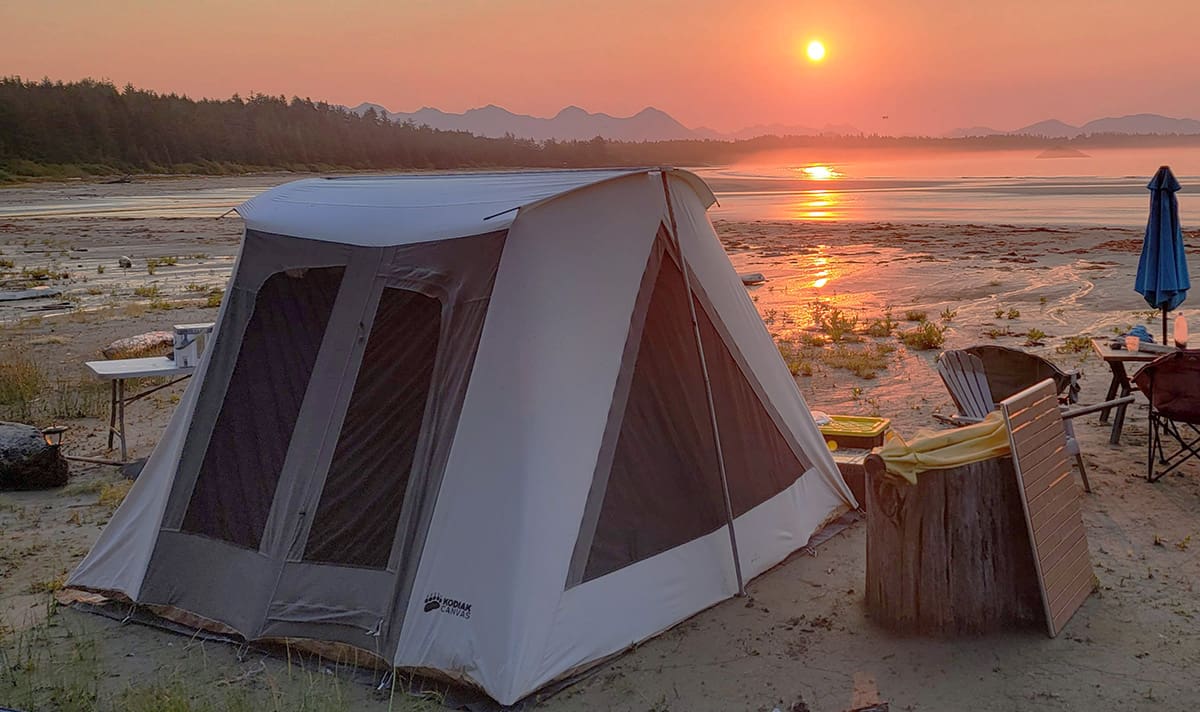
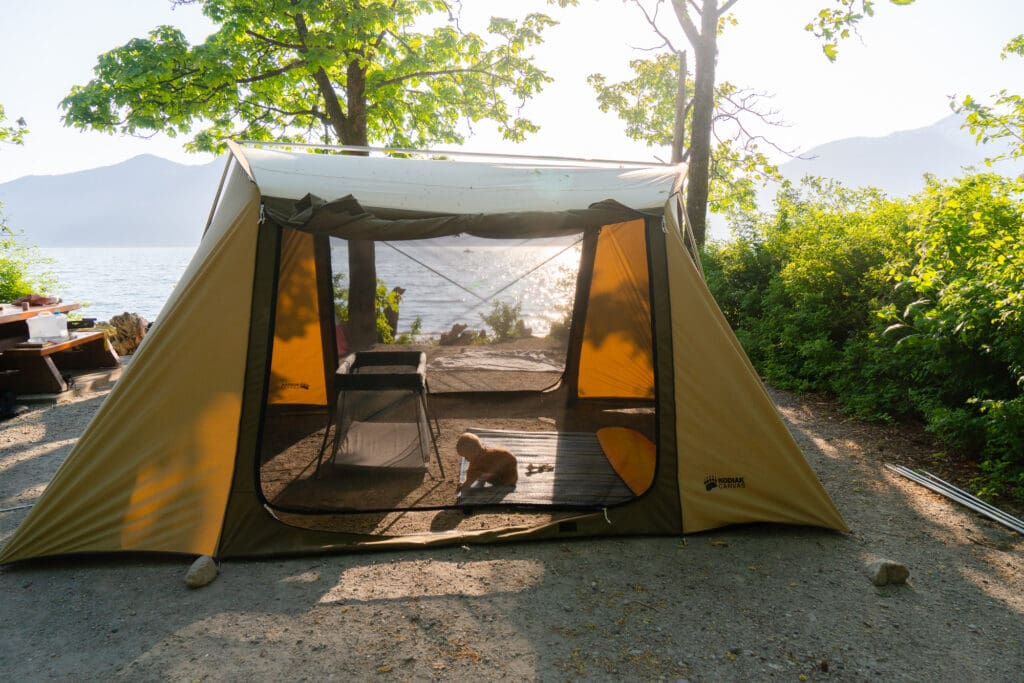
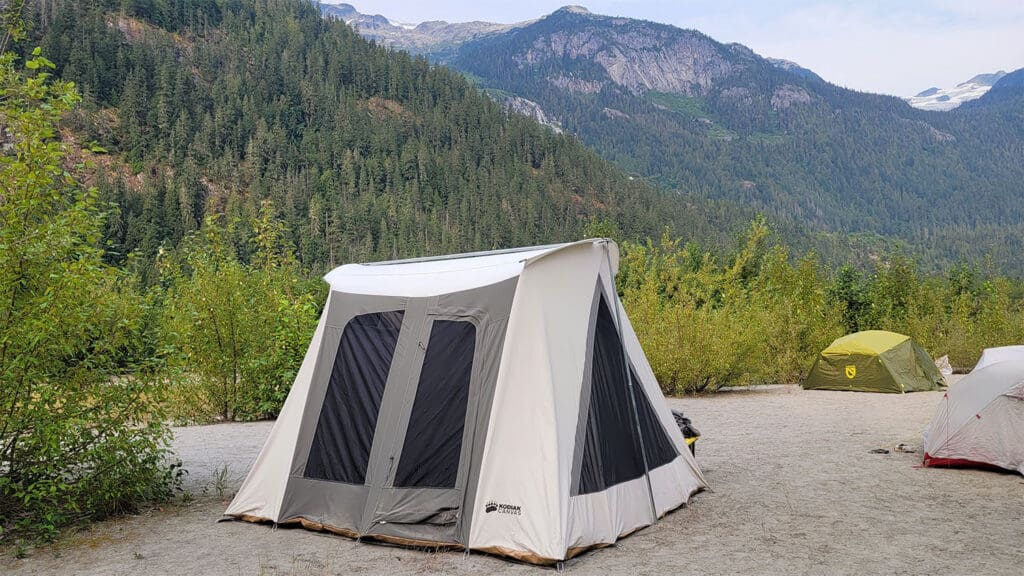
    But we enjoy camping, and being cozy on flights too, so we would always have a pair of slippers along from the ride, whether going to Whistler or camping in our Kodiak tent at on Vancouver Island.
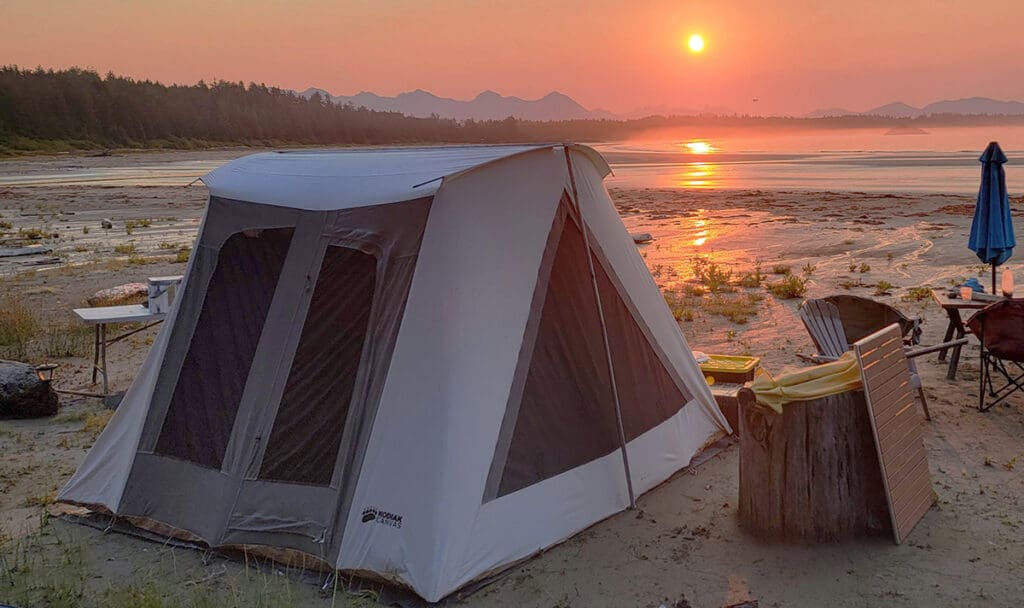
    a kodiak tent on the beach at vancouver island, british columbia
    A pretty good testing ground for beach slippers, if you ask me!

    Buyer’s Guide: Choosing the Perfect Slipper

    With so many premium options on the market, narrowing down the right pair comes down to where you plan to use them the most. Here is what we look for when testing slippers for our adventures:

    Packability and Weight

    If a slipper takes up as much room as a hiking boot, it is going to get left behind. Options with flexible uppers and collapsible heels rise to the top of the list. Materials like PrimaLoft insulation, down, and natural wool are incredibly warm but can be squished completely flat in the corner of a duffel bag.

    The Outsole: Rubber vs. Soft Leather

    This is the biggest deciding factor. If you plan to wear these outside of a tent or across a wet campsite, you absolutely need a rubber outsole. However, if you are strictly looking for indoor comfort or adopting a shoe-free sanctuary at home, a soft leather or suede sole will be much quieter and gentler on hard floors. That said, rubber will grip better on certain surfaces, especially if you’re like us and have toddlers spilling all sorts of things in strange places.

    Material: Natural Vs. Synthetic

    The big decision when choosing which slipper has a lot to do with material. Generally speaking, wool is often the winner for the comfort department. But not everyone likes the feeling of wool, and prefers synthetic materials. Synthetic can be warm but doesn’t always breathe as much. Ultimately it depends on your foot, any allergies you may have, and personal preference. But in our opinion, nothing beats good wool, as long as it comes from a responsible source.

    The “Slip-On” Factor

    When you are holding a sleeping toddler or an armful of firewood, you do not want to be bending down to wrestle with your footwear. A good camp or travel slipper should slide on completely hands-free. We highly favor designs with a drop-in heel.

    Slipper FAQ

    A few questions we get asked the most about choosing, packing, and living in a good pair of slippers.

    Can you wear slippers through airport security?

    You can, and a slip-on pair makes the whole shuffle through standard screening faster since you’re not lacing anything up. The catch is the floor — airport tile is filthy, so we lean toward a pair with a real rubber outsole like the OluKai Ku’i or Glerups rubber sole that you won’t mind walking on, rather than a soft suede sole you’d rather keep clean. Bonus: they’re already on your feet when you board, so there’s nothing to dig out of the overhead bin.

    Should you wear wool slippers with or without socks?

    Without — at least for Glerups, which are designed to be worn barefoot so the wool can mold to your foot over time for a custom fit. Wool also naturally fights odour and breathes, so sweaty feet are rarely an issue. If you’re someone who can’t go sockless, a synthetic or fleece-lined pair will feel more familiar.

    Are wool or synthetic slippers better?

    It comes down to your feet and what you’re doing. Wool is our pick for all-around comfort: it’s warm without overheating, breathes well, and resists odour as long as it’s responsibly sourced. Synthetics like PrimaLoft are seriously warm, shed water and packable bulk better, and suit anyone who finds wool itchy, but they don’t breathe as well, so they can run hot. For camping and cold mornings we reach for synthetic; for everyday wear we reach for wool.

    Rubber sole or leather sole — which should I get?

    This is the single biggest decision. If you’ll ever step outside. A wet campsite, a hotel balcony, a quick trip to the car and you want a rubber outsole for grip and weather resistance. If it’s strictly an indoor, shoes-off-at-the-door slipper, a soft leather or suede sole is quieter and gentler on hardwood. One warning from experience: leather soles get genuinely slippery on wet floors, so they’re not ideal if toddlers are spilling things around the house.

    How do you pack slippers without taking up luggage space?

    The key is to get a flexible upper and a collapsible heel. Those two features let a slipper squish flat into a corner of your bag. Insulation matters less than you’d think for packing: PrimaLoft, down, and wool all compress well. Our most packable picks are the Kolo House Shoes, the OluKai Moloa (the collapsible heel folds it down small), and the Outdoor Research Tundra Trax booties for cold-weather trips.

    How do you keep slippers on a toddler’s feet?

    You need a high cuff and a closure. Plain slip-on booties get kicked off in seconds, but a bootie with a tall ankle and a hook-and-loop strap like the MEC Toaster actually stays put on a wriggling kid, which is what you want before loading them into a sled or carrier.

    How do you clean wool slippers?

    Very carefully. Spot-clean with a damp cloth for everyday marks, and for a deeper clean, hand wash in cool water with a wool-safe detergent and let them air dry away from direct heat. Skip the washing machine and never put wool in the dryer. Heat and agitation cause it to felt and shrink. Treat them well and a good wool pair lasts years.

    Are slippers really worth packing for a trip?

    For us, that’s an enthusiastic yes. They take up almost no room with the right pair, and after enough red-eye flights, cold hotel floors, and frosty campsite mornings, we’ve found that warm, comfortable feet genuinely cut down on travel fatigue for the whole family. It’s a small luxury that punches above its weight.

    Final Thoughts: Don’t Skip the Slippers

    When packing for a family trip, it is easy to view slippers as an unnecessary luxury that takes up precious cargo space. But after navigating countless red-eye flights, cold hotel floors, and frosty mornings at the campsite, we can confidently say that investing in comfortable footwear reduces travel fatigue for the whole family.

    Grab a pair that fits your travel style, toss them in your bag, and enjoy quality comfort no matter where you put your feet up to relax.

    Which pair fits your family’s travel style best? Let us know in the comments below, and don’t forget to subscribe to our newsletter for more honest gear reviews and outdoor family travel hacks!
  • Cotopaxi Allpa 60L Gear Tote Review: A Staple of Beach Adventures

    Cotopaxi Allpa 60L Gear Tote Review: A Staple of Beach Adventures

    The secret to a good beach tote is in the details. Anyone can grab an oversized bag and stuff it with anything and everything they want to haul down for an afternoon on the sand. But there are a few excellent beach bags out there that go above and beyond to help families stay organized with piles of necessary stuff: snacks, diapers, extra clothes, towels, money… Not that you need me to go through a list that you already know.

    There are a few bags we found to rise to the top, but one bag clearly stood out as one of the best all-around beach totes for its well-thought out design, water resistance, and the fact that it comes from a good company doing good things in the world.

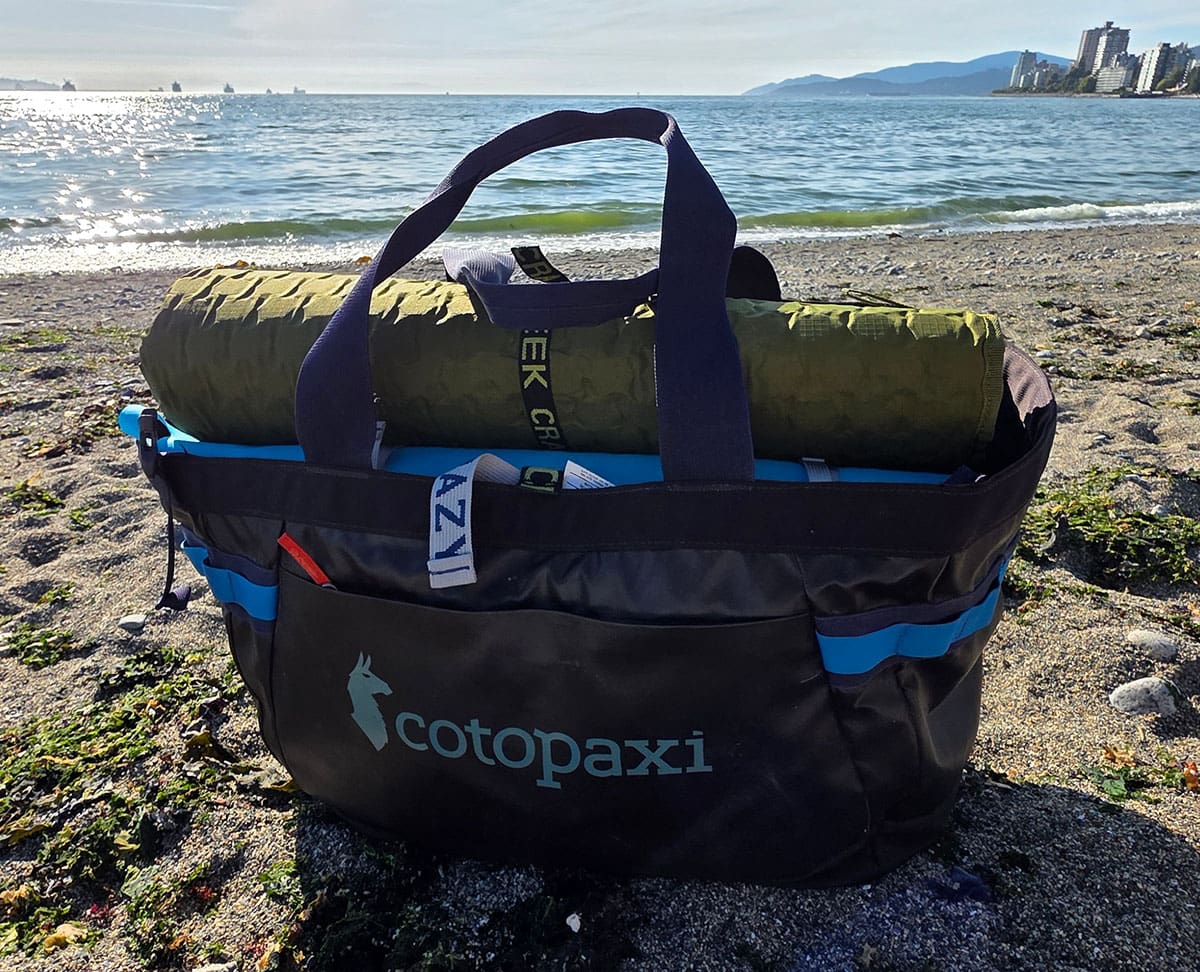
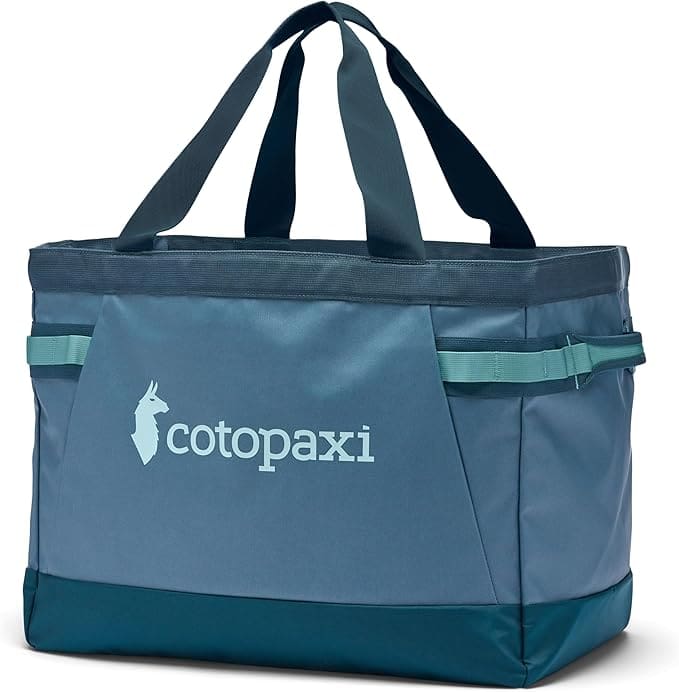
    It’s Cotopaxi‘s Allpa 60 Gear Hauler Tote, and it really is a remarkable piece of equipment. We’ve been using it for our family for nearly three years now and while we can’t speak to any improvements, the original is still going strong without anything falling apart. We’ve taken it all over and even included it in our checked luggage beach kit.

    Read on to find out what we like about it, what’s not so good, and who might enjoy it the most.

    Cotopaxi Allpa 60 Gear Hauler Beach Tote: First Impressions

    Size: 60L

    Handles: Small and large handles in center, side handles for easy grabbing/moving

    Pockets: Several mesh pockets on inside, weather resistent zipper pocket on outside

    Attachments: External gear loops

    Closure: Two buckles

    Self-Standing: No


    On first sight, the bag didn’t look like much. It looked durable, sure, but was it worth the expense? Even without diving into the features, the durability was enough for second pause. The water resistant (but not submersible) exterior felt like it could withstand a beating. The handles are solid, giving you both the option to carry by hand or use the longer loops to throw over the shoulder. but it was inside that really made me take notice.

    Lined all around the inside of the bag are mesh pockets that allow you to place smaller items out of the way. This has become invaluable for diapers, extra clothes, and snacks. The outside pocket is great for valuables, as it has a zipper and is part of the water-resistant exterior.

    But when it really shined was when we finally started packing everything in there. It’s like it keeps on going. And just when you think you can’t pack in anything else… you can add extras onto the gear loops. Excessive? Perhaps. But if you truly want to master the art of the beach day, you’ll want to carry everything in one load from the car. And this bag will allow you to do that, and not explode when you do get to the beach.

    Notable Features of the Cotopaxi Allpa Gear Hauler Beach Tote

    We pretty much already went through this section but I’ll outline it in a bit further depth. The big standout feature in this beach tote is the water-resistant exterior. Nearly three years on and it’s still holding up strong. And if the tide comes in (I know this from experience), it’ll provide enough protection until you wisen up.

    Another great feature that helps with packing is the internal buckles that hold the bag together when it’s packed full. The straps will cinch tight to keep items from splaying out too far, and in doing so, makes it easier to carry.

    But the big feature wiht this bag is the many options you have to line the bag with smaller items that won’t get mixed up with the general population. This is great for when you need to reach for a snack or drink to quell a meltdown… and being able to know exactly where that item is in those critical seconds will be a lifesaver.

    Looking inside the Cotopaxi allpa beach tote with the inside pockets in view
    The inside pockets are a huge game changer compared to a standard beach tote.

    Drawbacks

    There isn’t really much that we can say about this bag that is a bad thing. I guess if I had to get pedantic, I’d say that while the exterior is great, it’s not fully waterproof… and you feel like it should be with how rigid it is. I haven’t seen it soak through, though… and for the most part it’ll repel enough water. Dry bags do exist, so this is probably a good intermediary before that, as long as you’re not out in the rain.

    The bag also doesn’t stand up on its own, which makes packing easier but can be a pain if it topples over at the wrong moment. Most of the time it stands up well, but there have also been times where I forgot to buckle the inner straps and things started to splay out. It just takes a bit of learning and mindful packing to make sure it doesn’t topple over the moment you set it down.

    Final Thoughts

    The Allpa 60L Gear Hauler tote has fast become an essential part of beach days, pool days, and any time you need to toss a ton of gear into the bag really quickly. We’ve all been there… meltdown occurs or an emergency happens and we need to book it as fast as we can. This tote makes packing in a hurry super easy. The fact that you can open it wide and get everything out just as easy is excellent, and it cinchs tight to make it easy to carry. You can tell that this is a well thought-out bag from a great company that does a lot of good out in the world. You can’t say that about many companies these days.

    We’re big fans and know that most families will appreciate something that lasts longer and makes their lives easier, and we have a hearty recommendation to try this one out!

    a beach blanket and gear layed out to demonstrate how much the Cotopaxi gear hauler tote can carry
    Everything you see here could fit inside the tote.

    Thanks for reading! We offer plenty of gear reviews to help mindful families choose gear that will last a long time and goes further than just making some shareholders wealthy. We follow a gear review policy to ensure we can stand behind our recommendations. We use affiliate links to help pay the bills, but never compromise our word for selling out. All of our reviews come from the heart.

  • How to Pack A Complete Family Beach Setup in Your Checked Baggage

    How to Pack A Complete Family Beach Setup in Your Checked Baggage

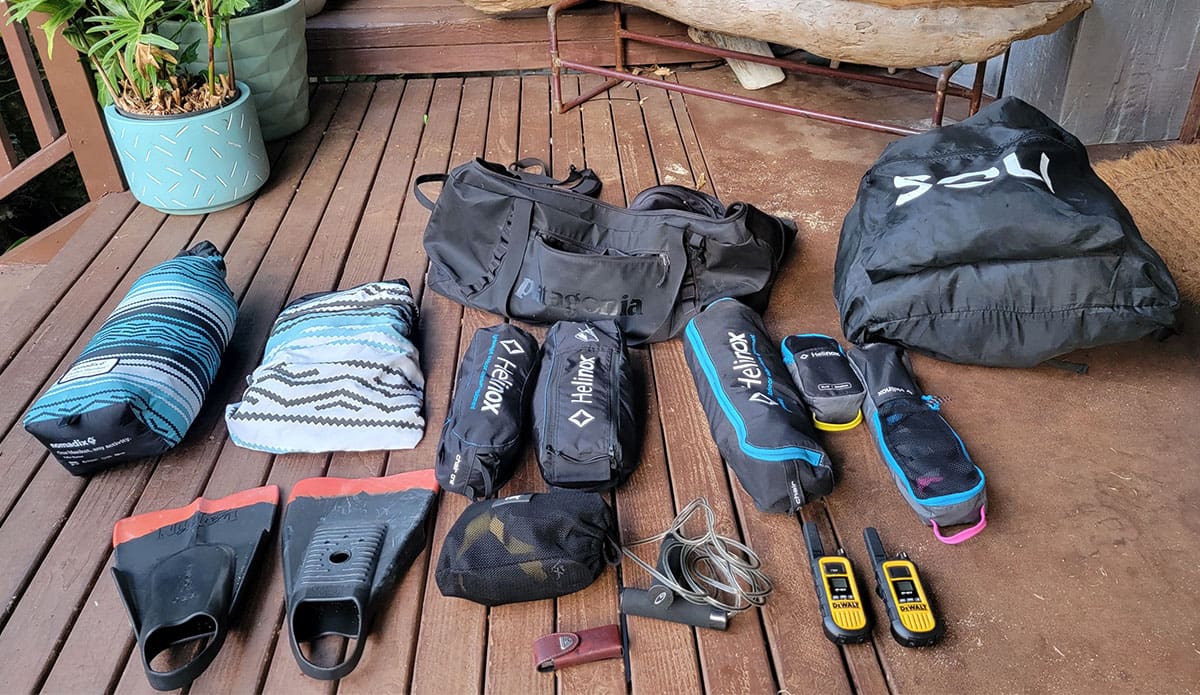
    We saved over $1000 by not renting beach gear in Hawaii last year. A bold claim, yes, but if you see how much we packed into a 100L duffel below, it’ll start to make sense.

    One of the most surprising expenses on a beach vacation is renting beach gear. If you get the good stuff, you’ll be paying $50-100 per day. And if you cheap out, you will probably end up with gear that is a pain to lug around and set up.

    By making an upfront investment and bringing your own gear, it’s possible to have a complete beach setup that will last many years, ensuring that no matter where you go, the family will have a comfortable time all day at the beach. And being able to maximize beach time is what we’re all about! So read on to find out more on the ultimate beach setup that can fit on one checked bag.

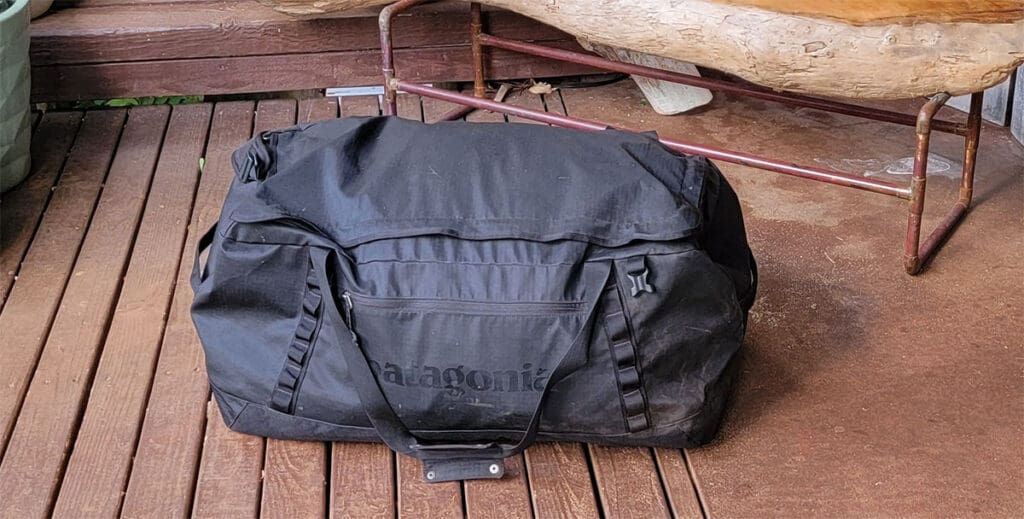
    a patagonia black hole duffel bag fully loaded for the beach
    It really is amazing how much can fit inside a 100L duffel bag!

    The Math: Why Checking a Bag is Cheaper Than Renting

    Beach days require a bit of gear if you want to spend all day out there. You’ll want shade, blankets, towels, a beach tote, chairs, and a cooler as a minimum. Companies exist that rent beach gear, but even a basic package can be $60 per day, with more premium offerings like shade fetching up to $200 per day.

    Instead, you can check a duffel bag full of your own beach gear, and have it be under the 50lb limit. If it goes over, the $100 oversize fee is still much cheaper than renting a daily rate.

    Read on to see what we pack that made our two weeks in Hawaii a bit more affordable, thanks to our own gear that will last for many years to come.

    Our Complete “Beach Day in a Duffel” Packing List

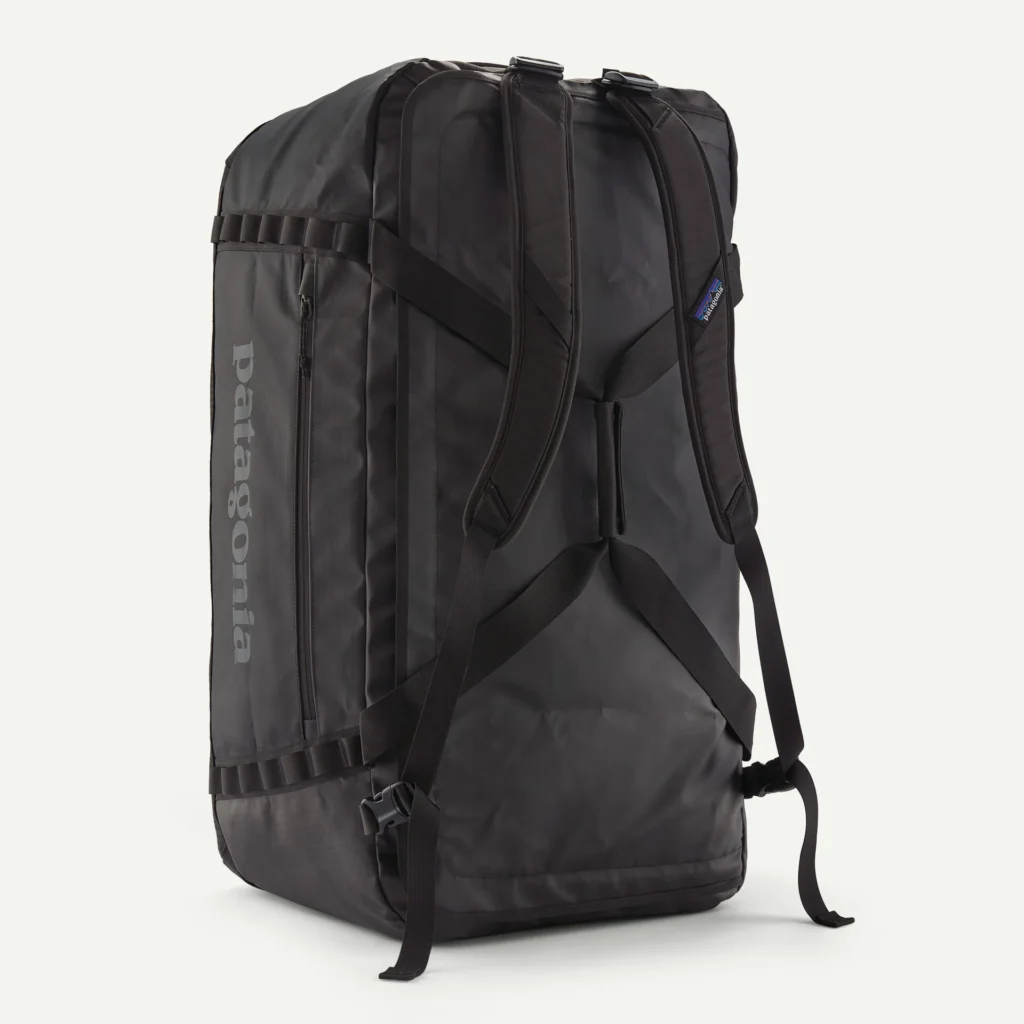
    The Transporter: Patagonia Black Hole Duffel

    a studio image of the Patagonia Black Hole duffel bag

    Weight: 3.5 lbs

    It’s essentially indestructable and can be tossed around without worry of too much damage. The recycled, PFAS-free materials is weather resistant yet strong enough to take a beating. Plus, without any hard frame to content with, it’s really light. It also gets good bonus points for packing up into its own pocket when not in use to stay out of the way.

    The bag also has two backpack style straps for relatively easy carrying. Alternatively, it’ll fit nicely on the luggage cart. It’s pretty amazing how much you can pack into the bag when you start getting into it.


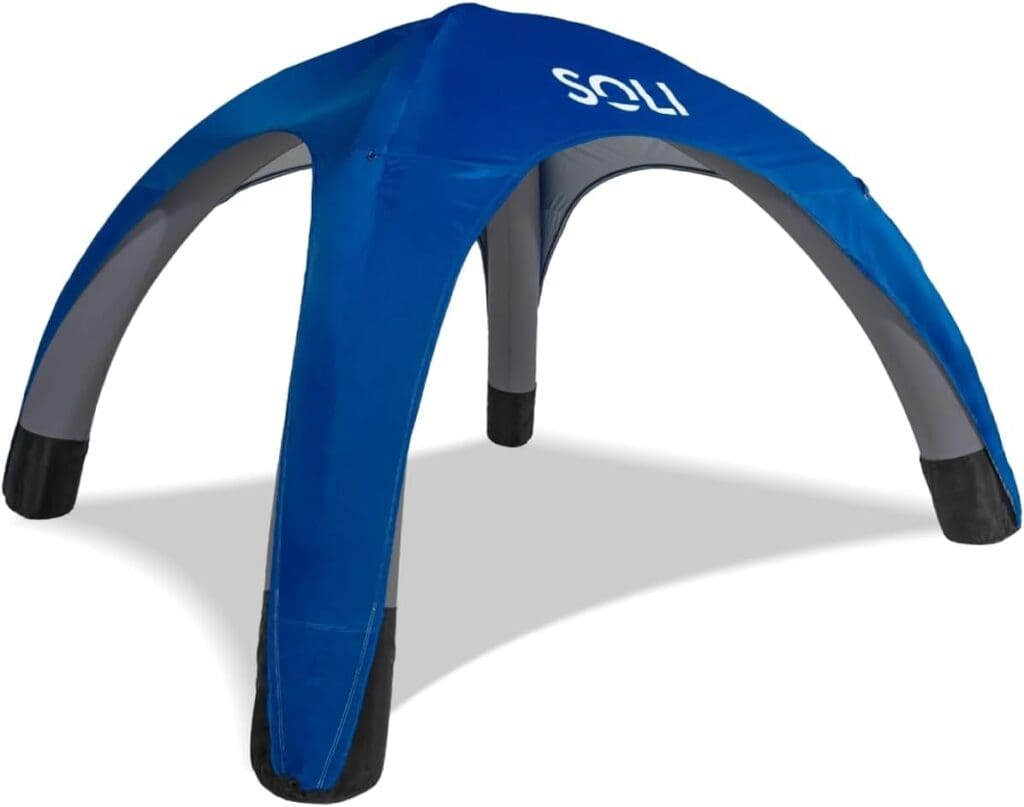
    The Shade: Soli Air Canopy

    a studio rendering of the soli shade canopy for beach days

    Weight: 18 lbs

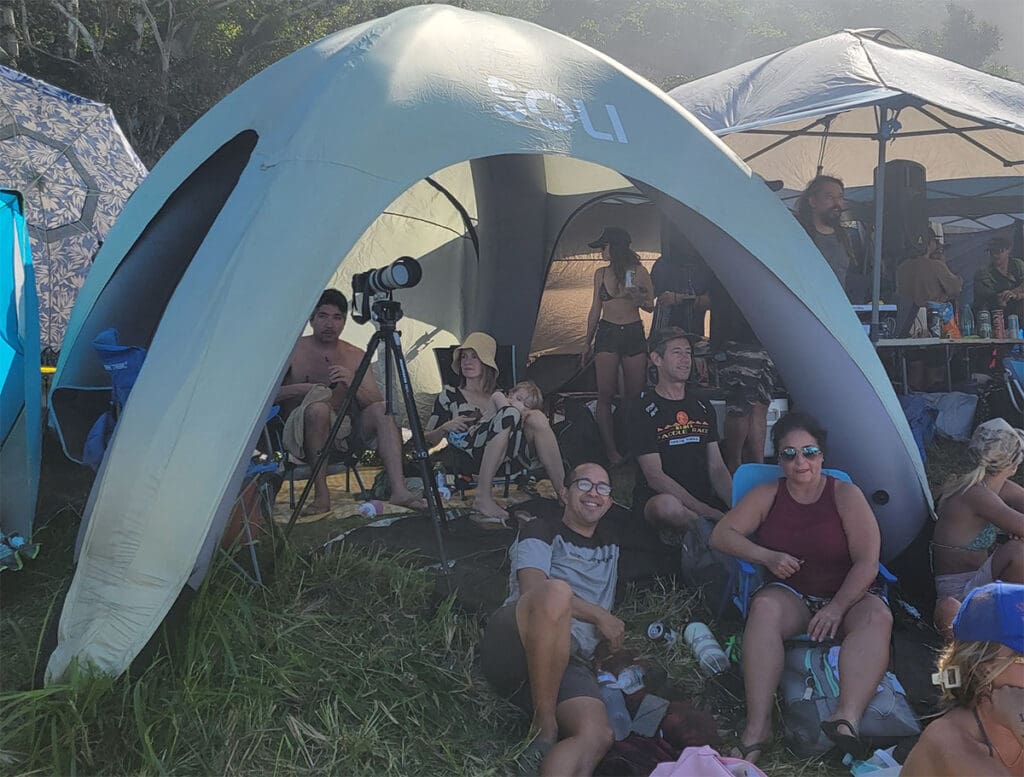
    This is our powerhouse when on the road. It does take up a bit of space, but it’s well worth it to have your own shade canopy to use on demand. Being inflatable, it has no frame so it packs up super well. It also helps it be more resistant to the wind. We love this thing, and it’s helped maximise our time on the beach when the sun is shining hot up above. Especially with little ones, it’s important to stay out of the sun midday. This makes it so we don’t have to pack up and leave, we can just have a nap in the shade. Doing so allows us to go to more remote places, away from crowds who are lugging big pop-up shade canopies or need to stay close to vegetation midday.

    a shade canopy filled with people during the eddie aikau surfing event at waimea bay, hawaii
    We made a ton of friends during the Eddie Aikau surf contest at Waimea Bay with our Soli air canopy!

    The Seating: Helinox Chairs

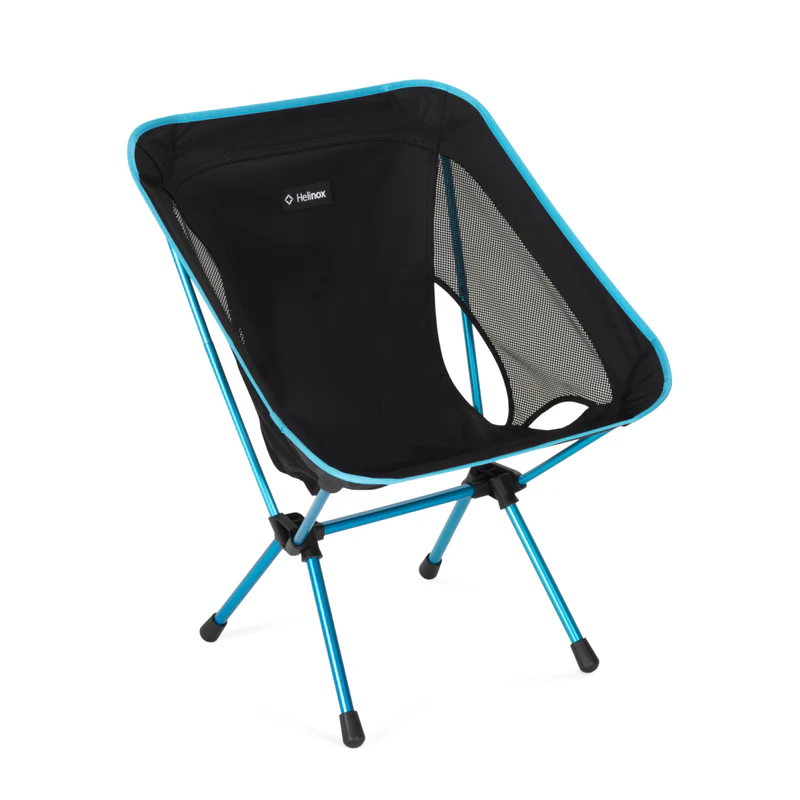
    the helinox chair one [re] for beach days

    Weight: Approx. 2 lbs each

    There are a ton of options for packable chairs out there, but we are big fans of Helinox. The chairs are well made, pack up easily, and are relatively lightweight at around 2 lbs a piece. There isn’t much bad to say about these chairs… we’ve been using them for years and they hold up well. They do get a bit sun bleached, but think of that as a bit of a badge of honour to show that they are actually getting use.

    We are fans of the Beach Chair and Chair One [re], (see our review of the Chair one [re] here)but any of their models are worth getting. The Chair Zero is the lightest, while the Beach Chair is low to the ground, perfect for toddlers to get in and out of (and not topple over, either).


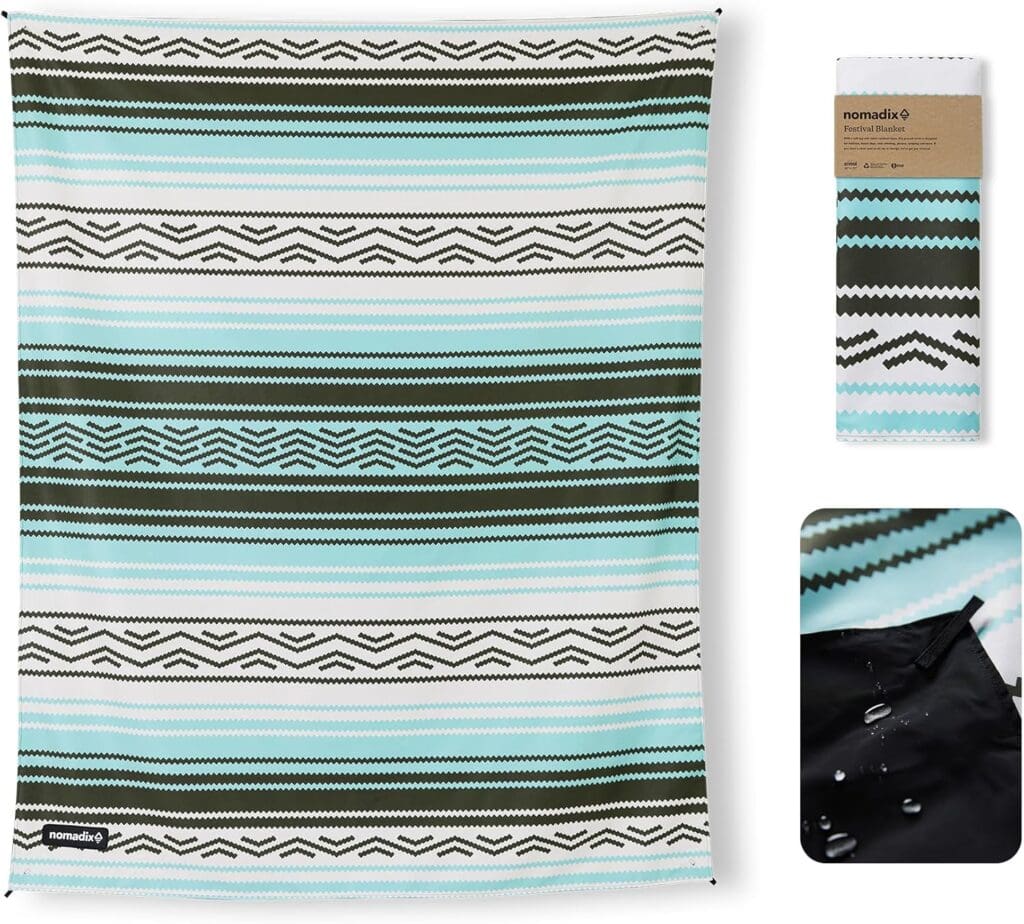
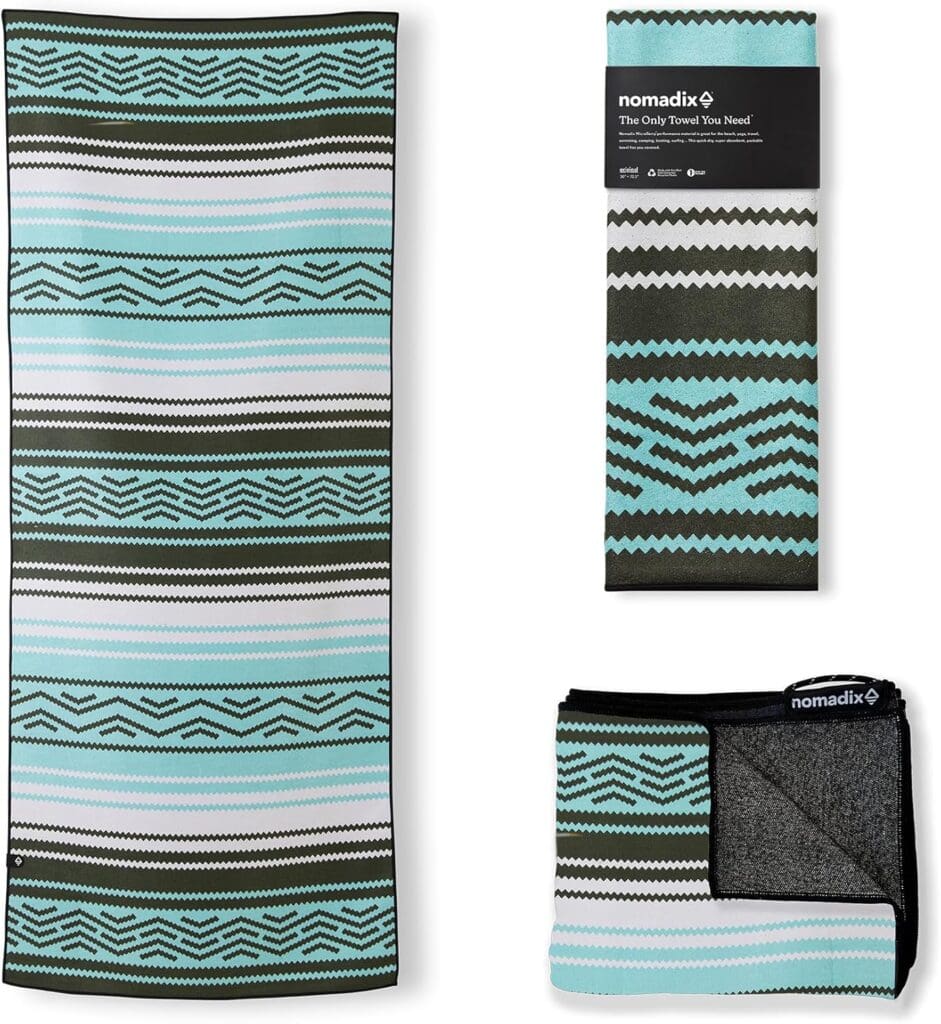
    Blankets: Nomadix Puffer Blanket and Festival Blanket

    a studio image of the nomadix festival blanket

    Weight: 3 lbs

    The festival blanket is easy for sand management, while the puffer blanket can double as a bit of body warmth when it’s windy and you come out of the water. Both of them pack up nice and small, and weigh next to nothing. If you have to choose between the two, the puffy blanket is lighter while the festival blanket is more versatile.


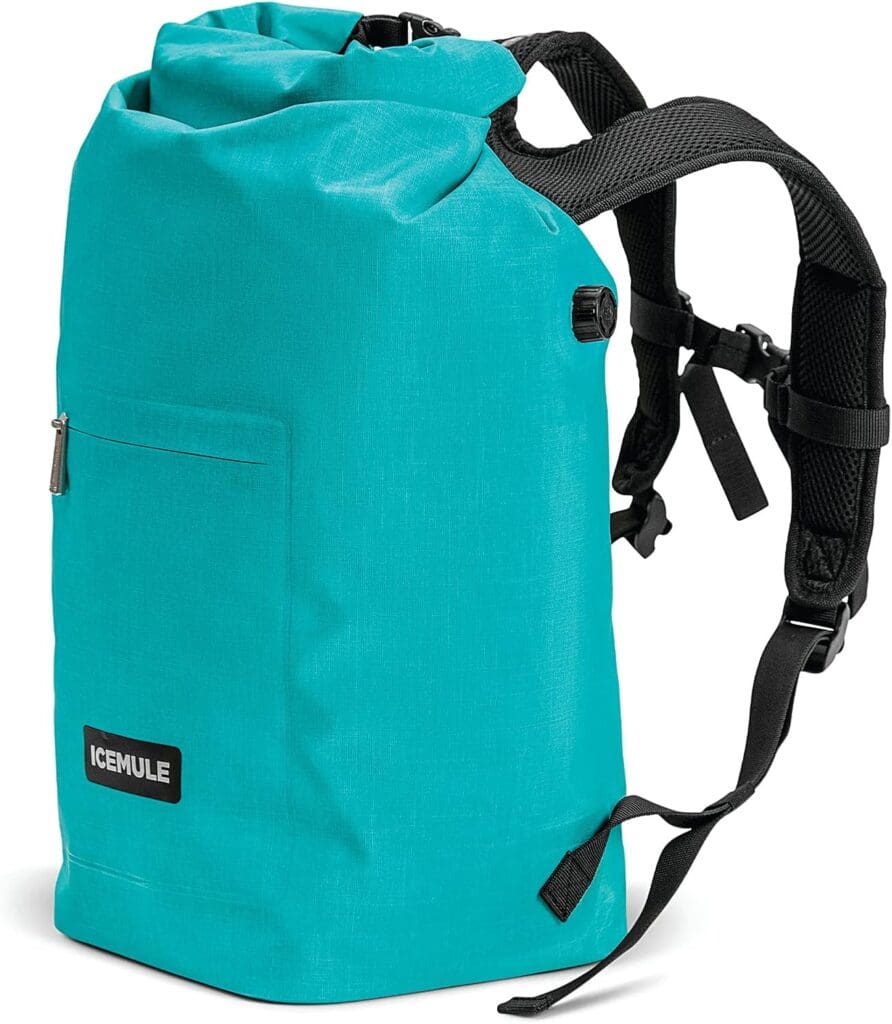
    The Cooler: Icemule Jaunt

    a studio image of the Icemule Jaunt cooler backpack

    Weight: 2.2 lbs

    Doubling as a waterproof dry bag that floats, the Icemule Jaunt keeps drinks and food surprisingly cold, while at the same time being able to pack away into the duffel with minimal space. It weighs only 1kg, which is pretty darn good for a cooler.


    The Day Bag: Cotopaxi Allpa 60L

    the cotopaxi allpa gear hauler tote

    Weight: 1.5 lbs

    The Allpa is one of the top picks in our list of the Best Beach Totes for good reason. It fits a ton of stuff, offers multiple pockets on the lining, is weather resistant, and has gear loops on the outside for extra attachments. All in all, it’s a secret weapon at the beach, and allows you to organize your stuff. It’s also great if you just want to have a lighter kit without taking the entire duffel’s worth to the beach for days when it’s not an all day mission on the sand.

    We also did a more in-depth review of the Cotopaxi Allpa if you’d like to know why we loved it.

    (Budget Alternative Tip: If you are slowly building your kit and don’t want to invest in the Cotopaxi just yet, a heavy-duty reusable IKEA blue bag packs completely flat and makes a surprisingly great, sand-proof beach hauler in a pinch!)


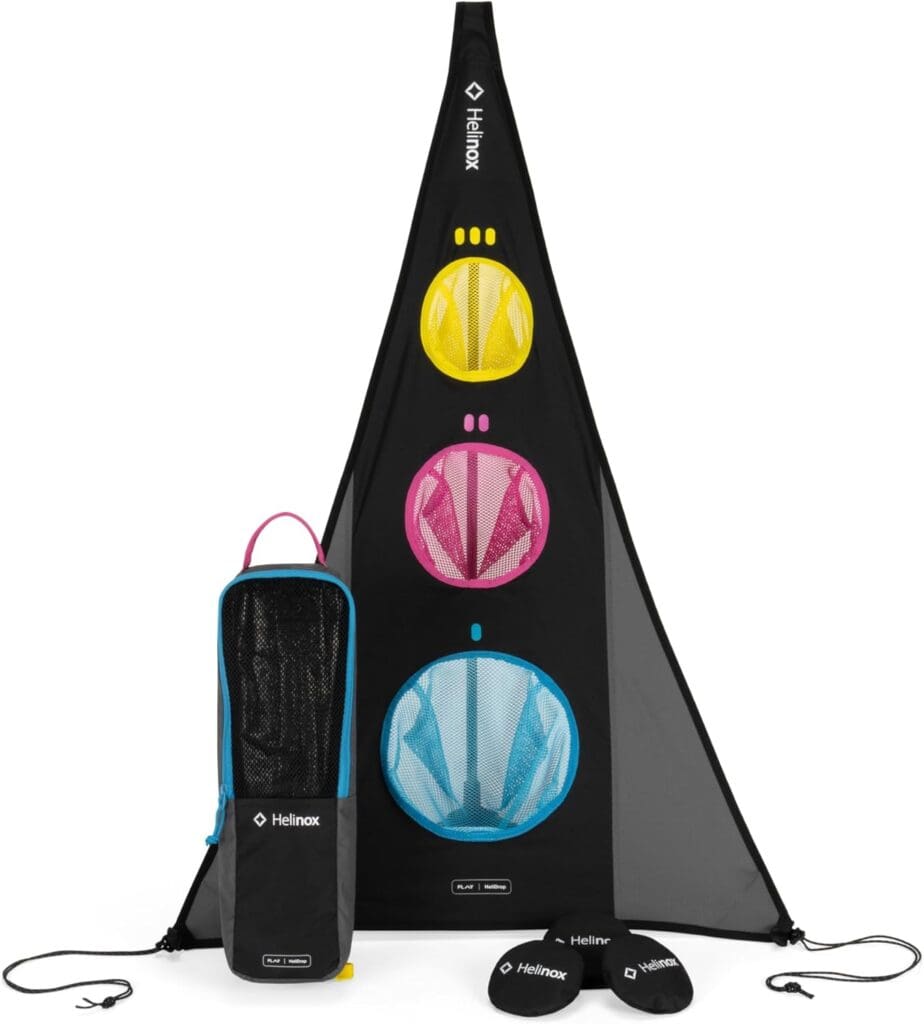
    The Entertainment: Helinox PLAY Backcountry Games

    the helinox helidrop beach game

    Total Weight: 2 lbs

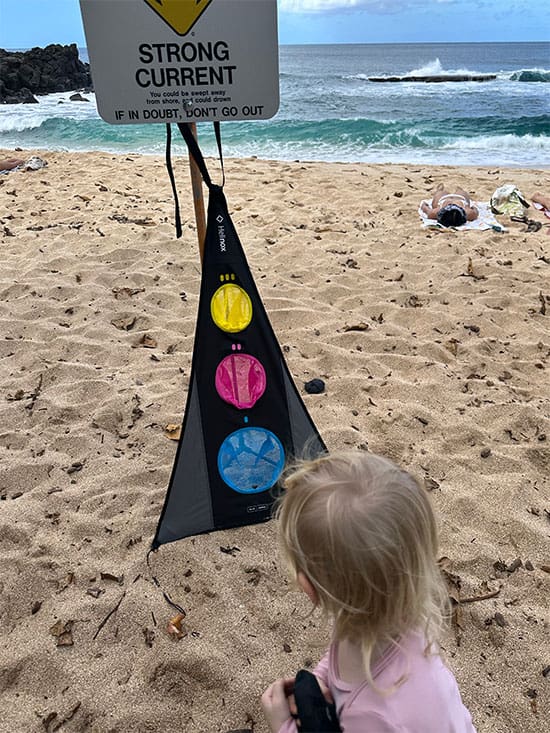
    Traditional beach toys like massive plastic buckets take up too much volume. Instead, we pack Helinox PLAY Backcountry Games, which use the same ultralight shock-cord frames as their chairs. They keep the kids entertained for hours. HeliDrop is one of our favorites, where all ages can find a bit of challenge, even the littles.

    a young girl plays helidrop by helinox on the beach in hawaii
    We let her cheat a bit…

    Don’t Forget To Bring a Towel! (Or Two)

    a studio image of the nomadix beach towel

    Towels are essential, but a normal beach towel is large and heavy. Our family loves the sand-resistant, rolls-up-small, stylish-looking towels from Nomadix. It might not be as warm and cozy as a cotton towel, but the ability to compress small and fit in the duffel with everything else makes them a big hit. Plus, they are made from recycled waste, so you can feel good about helping remove stuff from the ecosystem rather than adding to it.


    Workout Gear

    There was even room in the bag for some workout gear. Dad got to pack his TRX and Jump Rope to stay fit while everyone got to lounge on the beach. It’s a nice addition for those who don’t want to let vacation time ruin a good routine!

    The Final Weigh In:

    • Patagonia Duffel: 3.5 lbs
    • Soli Canopy: 18 lbs
    • 3 Helinox Chairs: 6 lbs
    • Nomadix Blankets: 3 lbs
    • Icemule Cooler: 2.2 lbs
    • Cotopaxi Tote: 1.5 lbs
    • Helinox Games: 2 lbs
    • Total Core Weight: 36.2 lbs! > This leaves almost 14 pounds for towels, sunscreen, and dad’s workout gear before hitting the 50lb airline limit.

    Final Thoughts: Minimizing Overwhelm

    There’s no doubt that it’s a bit of an investment in time and money to put together a beach getaway kit that you can put in your checked luggage. But once you’ve got it, you’ve got it, and you have a stress-free beach setup no matter where you fly.

    Always check the limits of the airline you’re flying on in case there are different restrictions, however you can usually bet on a 50lb weight limit on major airlines. And if your beach vacation is actually a road trip, then weight isn’t as much of an issue. Still, it’s nice to set the duffel as the limits so that you don’t overpack. 100L is quite a bit of volume, especially if packing well.

    Our goal is always to make sure that you have an excellent family adventure, full of memories and good times, learning and growth for the whole family. If you would like to know more, please sign up for our mailing list and stay tuned to more great tips, ideas, and getaways. We hope to see you out there!

  • Are Balance Bikes Worth It? Our Family’s Yearlong Strider Review

    Are Balance Bikes Worth It? Our Family’s Yearlong Strider Review

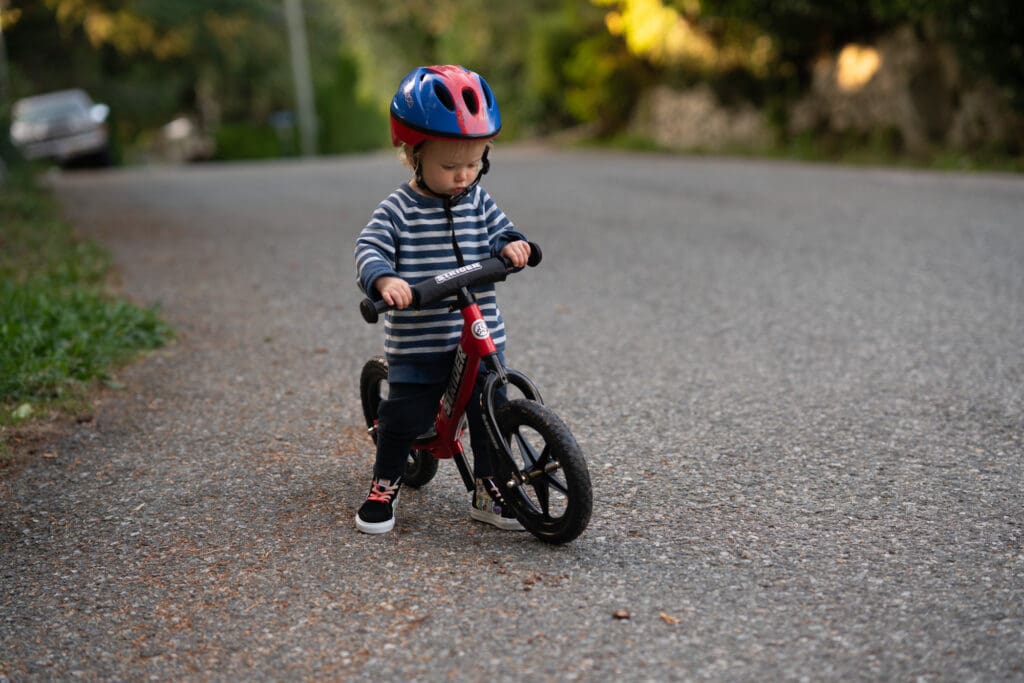
    The first time I saw a Strider Balance Bike I had to do a double-take. It was several years ago but the memory is still vivid. Here was this little kid cruising the bike path as if they owned the place. The amount of confidence and joy on this kid’s face was contagious. I had to cheer him on.

    I immediately got jealous. Why weren’t these things invented 20 years earlier? I first learned how to bike without training wheels at five years old. But the balance bike is a whole new level of progression—far better than what training wheels can accomplish.

    As soon as we had kids, I knew that a balance bike was in their future. We got our daughter a well-loved one off of Marketplace. The learning curve was gradual at first, until it clicked for her. Once she figured it out, she was off to the races.

    a young girl shows her smile at the pump track

    What Makes Strider Balance Bikes So Special?

    Being the first in the game has a ton of advantages. Since 2007, Strider has sold over 2 million balance bikes, meaning they have had many years and opportunities to get the design down. The result is a durable, reliable balance bike that can withstand the abuse that a toddler will give it.

    Being an independent company also has its benefits. Ryan McFarland started the company with the simple goal of trying to get his son on a bike as soon as possible, but not finding anything adequate in the market. As the company grew and countless children caught the riding bug, the core mission to help young riders never wavered. Nowadays Strider has programs around the world that help riders of all ages learn how to ride a bike.

    Strider also provides a ton of free learning resources to help make the experience as smooth as possible. Some of the tips like “support the child, not the bike” went a long way toward a smooth progression for your youngest. After reading through some of the tips, it became clear that this company truly did care about helping children ride a bike as soon as possible.

    Our Kids’ Journey With Strider

    First Strides

    Our daughter got her first Strider balance bike from Marketplace. The tire treads were nearly worn down but the bike still worked like a charm. In retrospect we could have gotten her some new wheels but she didn’t seem to mind—one great advantage of the plastic wheels over rubber tires is their longevity. Being just under two years old, she didn’t seem to mind that the bike had been well-loved by a few other kids and passed down the line.

    a small toddler takes her first steps with a balance bike
    yes we know, no shoes or helmet… but she was taking it super easy, I promise!

    At first she was hesitant, and would only pick up the bike for a minute or two. Then I began to push her uphill and guide her around some corners, which may have instilled some bad habits to rely on me. But eventually, her time on the bike unassisted got longer. The next spring she got a new Strider Pro, and well… the story is still being written but so far, it’s safe to say that she loves it.

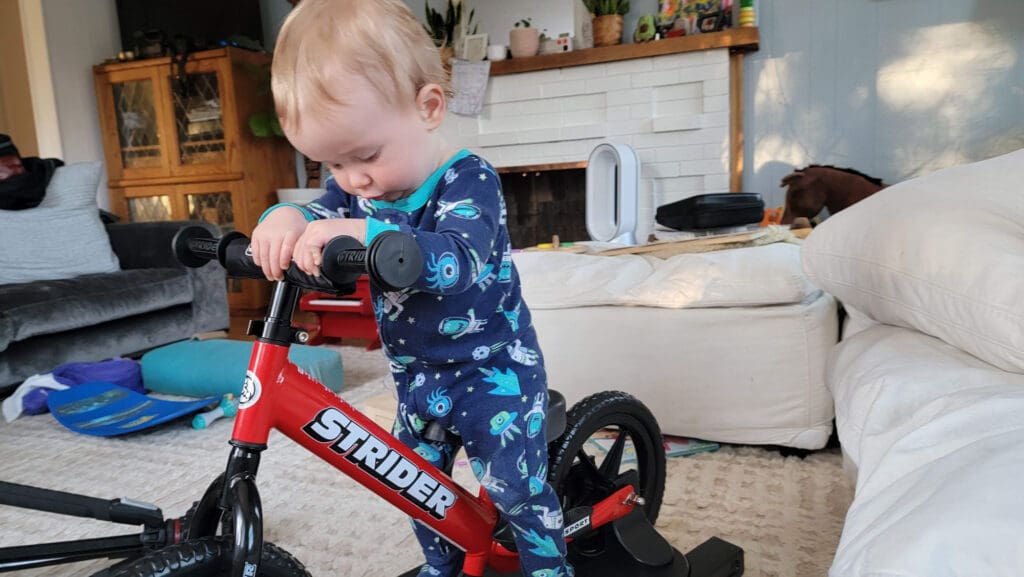
    Our son got his bike at around 9 months. The rocking base attachment is the perfect tool to acclimate a child to riding a bike in a safe yet fun manner. It was wild how quickly he caught onto the usage, but perhaps that’s why rocking horses have been a staple of any playroom for at least two centuries. It was the perfect introduction to mounting the bike unassisted, which noticeably happened much faster than our daughter who learned without the rocking base.

    Gaining Confidence (Learning to Stride)

    For our daughter, the big breakthrough came when I would walk her to daycare while she rode the bike. We live on a large hill with a steady grade all the way down to daycare, a distance of about 600m. At first I was hesitant to set my daughter loose on such a long descent until realizing that it was actually perfect.

    She instinctively knew her limits. She also knew that at any time, she could put her feet down to stop. Never once did I see her lift her feet long enough to lose control. Maybe she’s an anomaly and it goes without saying, every kid is different—don’t set your child loose on a long hill on this advice alone. But for her, in this circumstance… she nailed it.

    The incline allows for momentum without the child needing to push themselves forward. It gave our daughter the ability to coast without supplying the power. It soon became obvious that it was the major difference compared to a flat surface, which all of us parents gravitate to—or I suppose I can only speak for myself, but that was certainly my instinct.

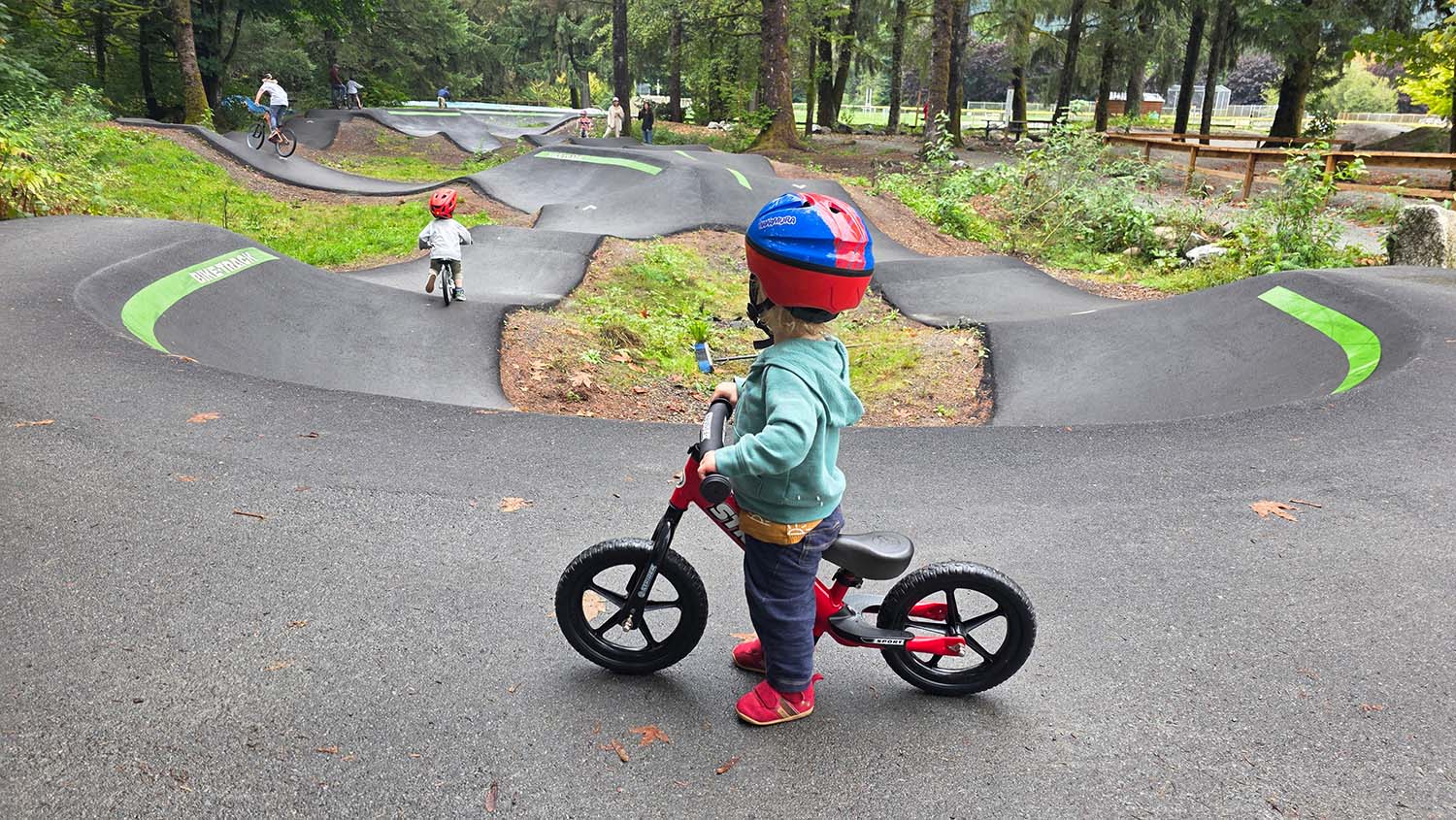
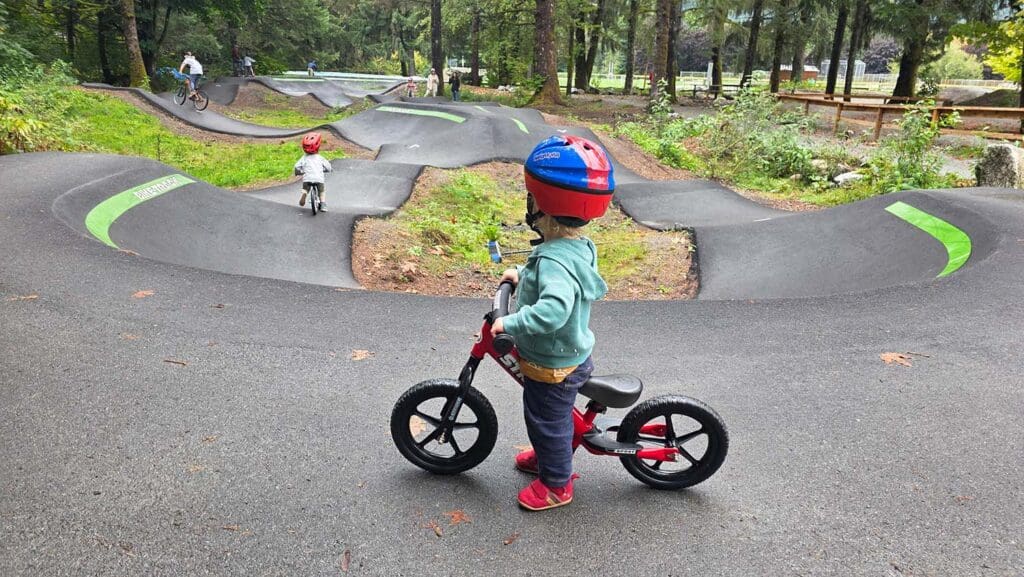
    Now the pump track is where she asks to go when we have a free afternoon. It felt intimidating as a parent to set her loose around bigger kids and undulating terrain, but she never seemed scared. I have to remind myself that at that age, fear is not as prevalent as we adults allow into our lives. And in all reality, it’s one of the safest places for a kid to learn. The downslope is never too long, so the speed she carries with gravity ends pretty quick. It also gives her a more 3D balance profile than simply riding on flat ground. And the results speak for themselves:

    Our Son’s Introduction To Strider

    Our son was 9 months when his Strider Sport arrived at the door. Initially I was thinking we might hold off for a bit until he started walking. But with the removable rocking base that came with the bike, he had a new toy for the living room—one that allowed him a soft introduction to learning how to mount a bike.

    a baby steps onto a balance bike for the first time in their living room
    First time on the bike was a bit of an investigation… patience is key for the first few months.

    The progression was slow, at first. He would size up the bike for a moment, maybe rock it around, and then move on to the next shiny object. But then he began to mount it. Eventually he started rocking back and forth, and I could see he was starting to get it with regards to staying upright. By the time he could walk, he was already really comfortable on the bike.

    Once we removed the base, he had enough familiarity to take some steps with the bike. And that’s where he is now. He will take a few steps, but is yet to use his momentum to go forward. But he’s a million times better than if he didn’t have the base to start with. Now he’s gaining confidence each time he goes out. Having a big sister show him the way is a big bonus, and one I don’t take for granted. I’m already seeing how much faster his learning curve is with

    • Starting earlier than his sister
    • Having the rocking base
    • Having a sibling to look up to

    Now, he’s not even two and gets excited each time we go out. His coordination is spotty even just walking, but with the bike between his legs he’s figuring it out better than I could ever have imagined.

    A young boy on a balance bike watches the bigger kids ride around at the pump track in Squamish, bc

    The Durability of Strider Balance Bikes

    Not having tested other balance bike brands (yet), I can’t speak to the durability of others and whether or not the Strider is better or worse than others. What I can say, though, is that Strider bikes are pretty bomb-proof (Disclaimer: not literally, of course).

    Our daughter has put her two bikes through the paces and it still rides perfect. It’s what you need in a bike for a toddler, and something I wish was present in other aspects of raising little ones! But through all the drags, hops, drops, crashes, and scrapes, the bikes have performed well. Who knows how long the secondhand bike had been going before she had it (and subsequently passed on to a neighbour) but the bike always performed well, despite some well-loved wear present.

    The only real wear and tear was the tread on the tires. But since they are made of a solid plastic and not soft rubber… no inflation/deflation issues! Even when the tread is worn down there is plenty of wheel left for someone who is just getting started.

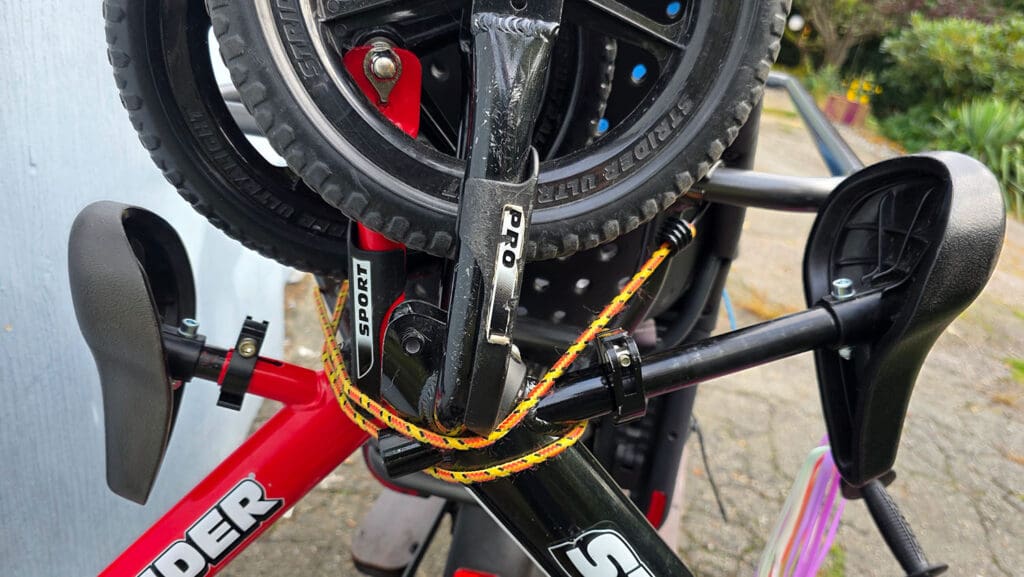
    a view of the strider balance bikes tied to the back of a large bike
    A little bit of scratching, but no worse for wear! P.S. These bikes tie to the back of a cargo bike really well.

    Strider Bike as a Hand-Me-Down

    The durability of these Strider bikes means they can be passed down for many years to come. Whether you sell it online for someone who can’t afford it new, or simply donate it to someone deserving, the fact that the bikes have parts that last. So many kids will get to learn how to ride a bike before a Strider reaches the end of its life. When you think of it that way, it’s exciting to realize how many kids’ lives will be impacted with a single purchase.

    Final Thoughts

    Balance bikes truly are a game changer for how soon a kid can learn how to ride a bike. Balance is the hard part in learning, momentum comes second and for the first time someone figured it out. Strider has been leading the way for nearly 20 years and both us parents and our kids are thrilled with the results so far. With the bikes about to enter their second year in our family, they show no signs of needing replacement, and I’m so stoked to see a passion of mine transition to the next generation.

    a young child takes his first steps with a balance bike

    I’ve dealt with a lot of companies over the years of reviewing gear for this site and others, and in all the interactions I’ve had with employees and what I’ve heard from others online is that they are one of the good guys when it comes to developing a product and bringing it to the market.

    What has resulted is nothing short of revolutionary, adding years of bike riding to a childhood and some early core memories on a bike. True it may not be for everyone. But since kids are a product of their environment, if you’re stoked on riding bikes, chances are that they will be too. This year we take our oldest to the trails and the youngest on his way to following his sister around as quickly as possible. It will be a fun journey, and I’m sure there will be an update in here at some point!

    Until then, you can consider this our whole-hearted recommendation for your toddler shredder-to-be.


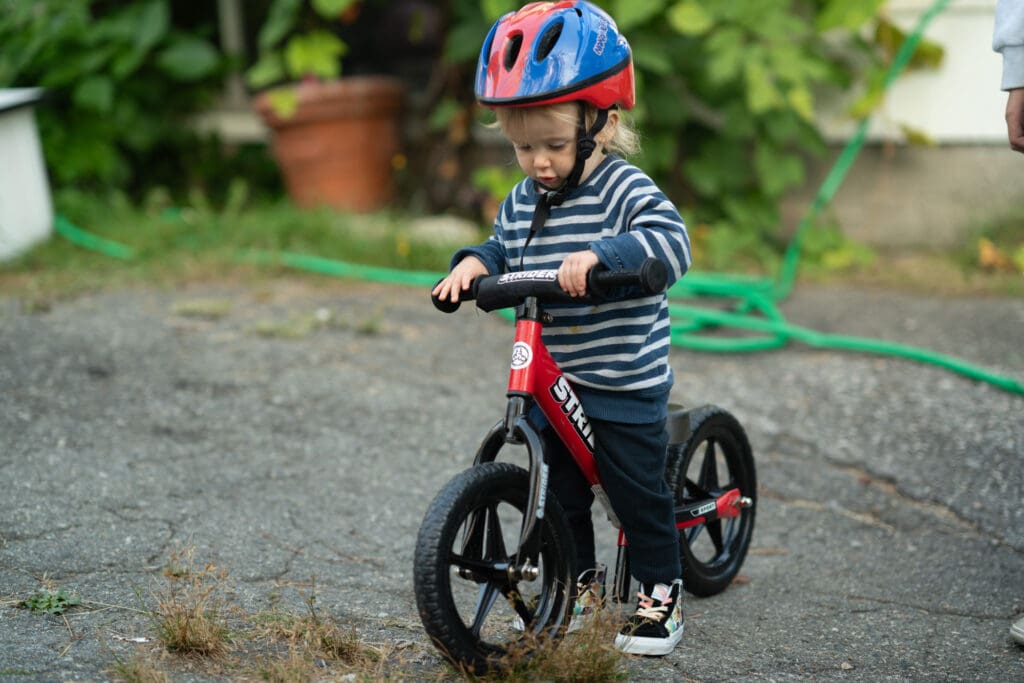
    a young child learns how to use his strider balance bike
    One step at a time… but please stop growing so fast!

    Thanks for reading! We hope you enjoyed this review. Check out more Gear Reviews, and more on our homepage. This review uses affiliate links to pay the bills. Learn more about our gear review policy and our ethics behind it.

  • Kitworks 55L Gear Tote Review

    Kitworks 55L Gear Tote Review

    Organizing gear is a necessary step for successful family adventures. The problem is, if you’re like us, available time to actually organize anything is pretty much close to nonexistent.

    Sure, we make time to pack for a big vacation, as tedious as it may be. But what about all the times when we want to get up and go on a moment’s notice? Without a system, the idea of packing for a spontaneous mission feels overwhelming. In the past we let the overwhelm take over and prevent us from those quick trips. But now, thanks to better flow after learning from experience, our system includes some gear that helps us leave as soon as the storm breaks or plans change where we are able to GTFO of town.

    Tote Bags are nothing new; but lately some companies have been stepping up to provide options that are durable, easy to pack, and help people organize to minimize the overwhelm. One company we were just introduced to is Kitworks. This brand started with the simple goal to help make people organize their gear better. That’s something we can get behind.

    We have been using their 55L Gear Tote this year, and can say with confidence that it will make life easier when packing and trying to get out the door. Keep reading to hear a bit more about this bag and why we have incorporated it into our adventure routine.

    Kitworks 55L Gear Tote: First Impressions

    ProsCons
    Super DurableMight be overkill for some
    Excellent CustomizationAdd-ons can increase cost
    Great Water ResistanceLarge opening welcomes rain/water/sand
    the kitworks gear tote against a white backdrop

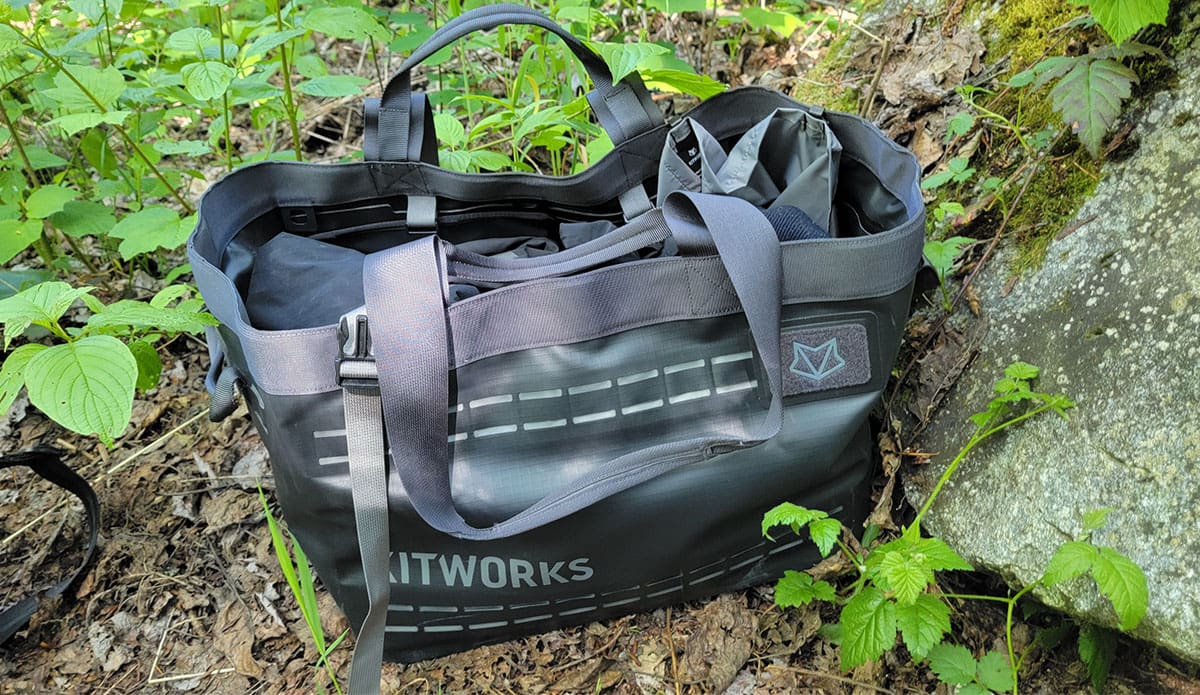
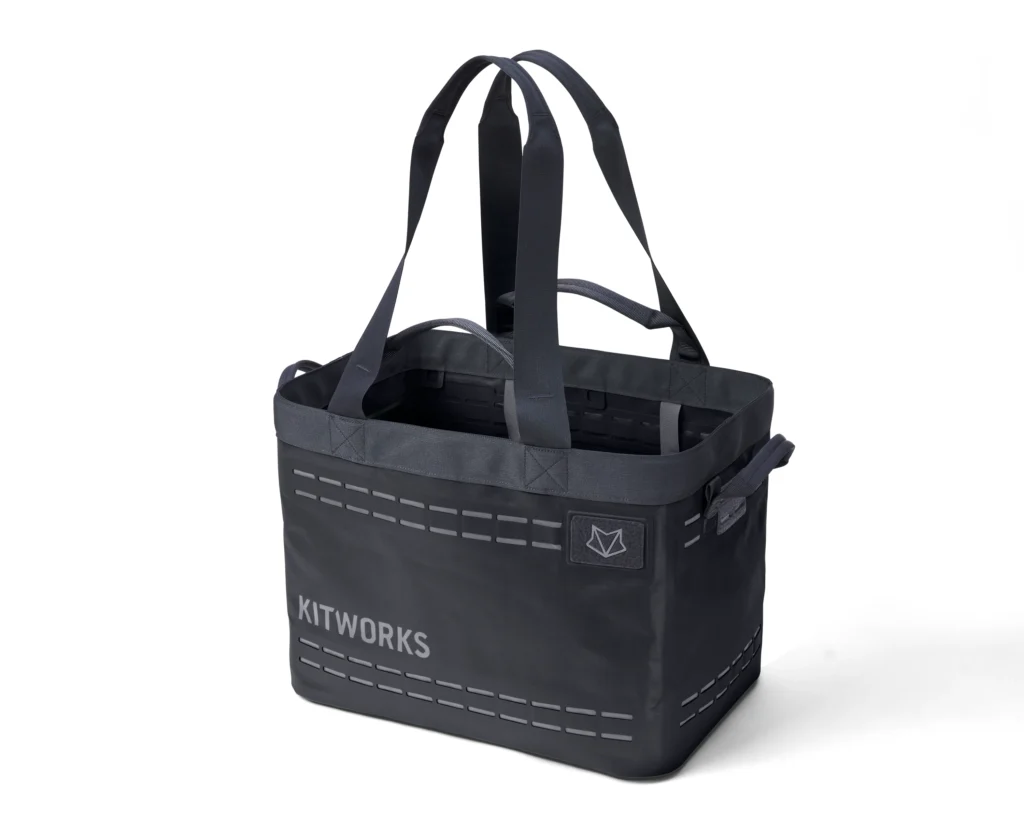
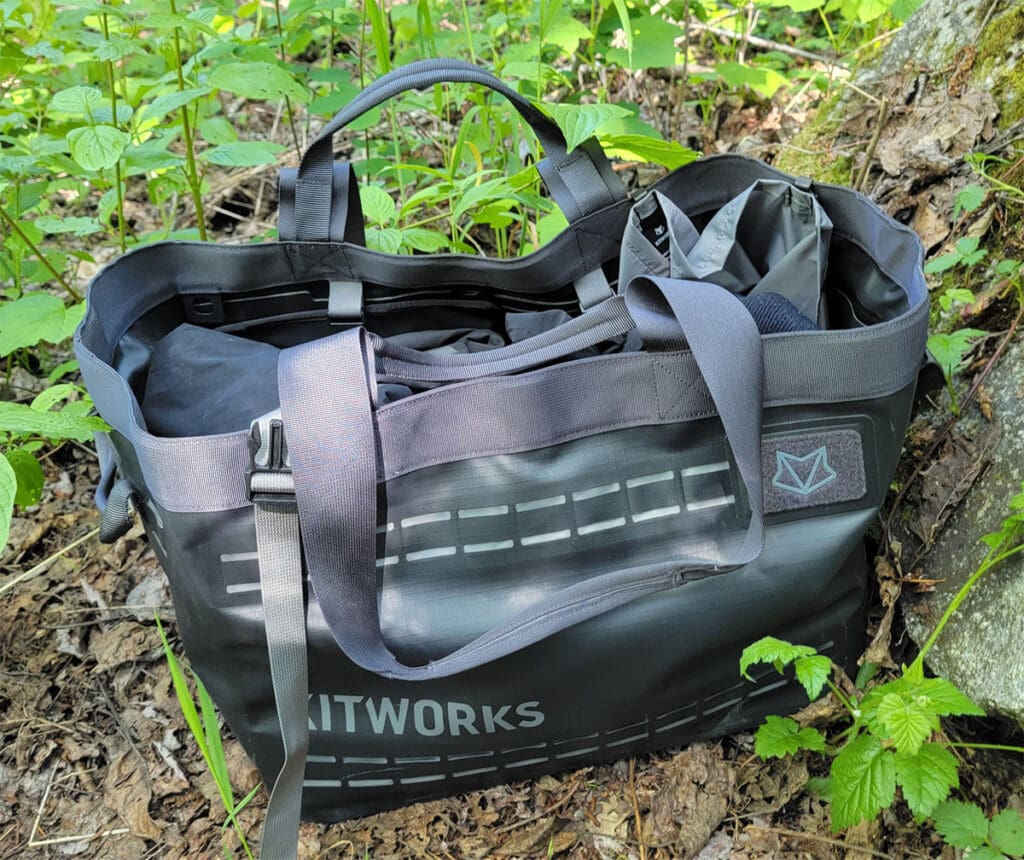
    The main thing that stood out when first pulling this bag out was the durability. Indeed, it’s a step above other tote bags for its exterior shell. The 900D ripstop shell is incredibly strong, as is the heavy duty straps and handles that give a variety of ways to carry/unload the bag.

    The other big standout feature of this tote is the shape. Most tote bags have a round opening, but the Kitworks bag is rectangular. It’s a subtle difference but a big one, allowing for you to toss gear in much more quickly than other bags. It also stays open and is self-standing, which further adds to the efficiency of tossing gear in with ease.

    the kitworks 55L Gear tote resting in the forest

    Notable Features of the Kitworks 55L Gear Tote

    The big standout feature is in the modular design. The bag has a whole host of accessories that can be mixed and matched to design the system that works best for you and your family. Thanks to a multitude of attachment points on both the inside and outside, the bag can become a base camp for even the smallest of accessories, tucked away neatly until it’s needed, whenever that may be.

    I found the wet storage bag, as simple as it is, to be one of the best features of all. The hooks allow you to attach it quickly to the tote, toss in wet (or soiled) clothes, and tuck it out of the way on the side. Since it’s removable it’s easy to pull off and toss straight into the wash without mixing with anything else. It’s a simple idea that has led to a much cleaner beach and pool experience.

    The other optional attachments are equally as good for their own reasons, and I don’t really want to get into the semantics of how to organize. That is the beauty of it, after all: each person/family will have their own configuration that will best suit their needs. For us, we like having the space for some spare diapers, sunscreen, and snacks, all within easy reach of the perimeter without needing to waste time digging around.

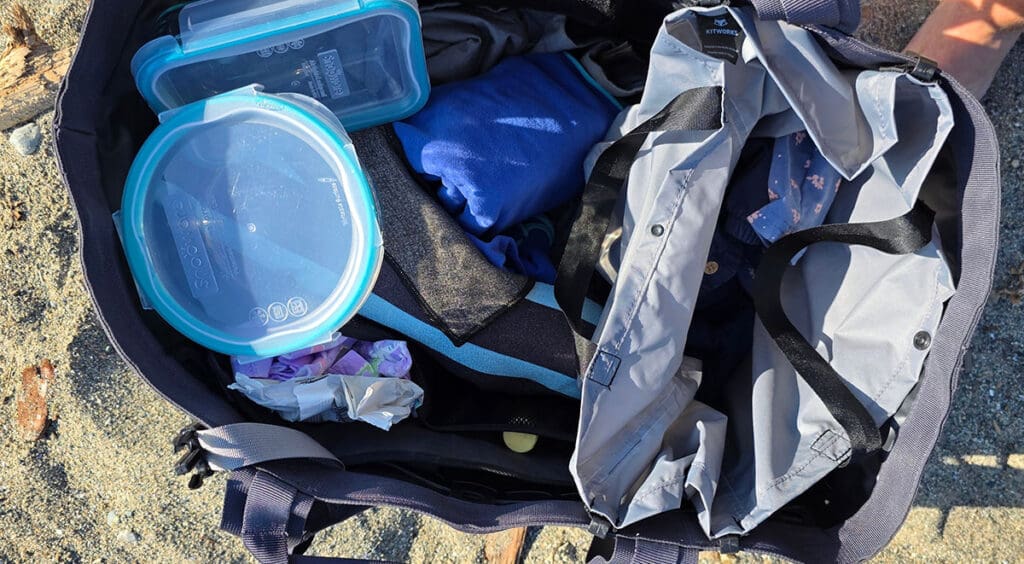
    looking inside the Kitworks 55L Gear Tote from the top
    The wet storage bag clips on and can easily be removed.

    Drawbacks To The Kitworks Gear Tote

    Being such a heavy duty unit, the main drawback is the bulk. Although it can fold down, it still takes up a bit of space when packed away. So for that reason it might not be the best if you have a small closet or car.

    There are also very few colour options, which personally, isn’t a big deal. My partner will be the first to tell you that I don’t really score style points. But, I do know that it’s important to many people… although likely not the market who want a heavy duty tote bag anyway. This bag is for those who see mud as a badge of honour rather than something that would ruin their day.

    Final Thoughts

    The Kitworks Gear Tote is well-made, well-designed, and will help you and your family become more organized. This will lead to more spontaneous adventures if it’s already packed and organized—bonus points if it’s already in the car, ready to go.

    Yes, its pricey for a tote bag, but really when you consider the durability it’s a good investment that will last. And with the customizability you can morph it from a summer kit to a winter kit with ease, and know where all the bits and pieces go. Less time searching for gear is always a win.

  • Helinox Unveils the “Play” Series of Backcountry Games

    Helinox Unveils the “Play” Series of Backcountry Games

    Playing games with your family can be one of life’s great pastimes.

    And passing time in remote places in nature, many will argue, is the best of all pastimes. However, until now most games were relegated to a deck of cards, and maybe a portable chess board. If you’re bringing a hatchet or axe along, you can add in axe throwing. That was mostly it for family games for a long time.

    Now Helinox has flipped that entirely with the release of four new games that pack up small and allow you to bring along for any type of trip, including long hikes with a backpack. The same company that revolutionized the camping chair is now taking another stab at leisure time, but now with a social and competitive focus.

    We had a chance to test out their PLAY series while on a trip to Hawaii. While our kids aren’t big enough for all the games (it clearly states the age limit), there were a few that they really had some fun with. We will share more about that, below.

    Helinox PLAY: First Impressions

    ProsCons
    Easy setupPricey
    Fun for all agesLimited selection (for now)
    Lightweight and packableMight be too basic or too advanced for different kids

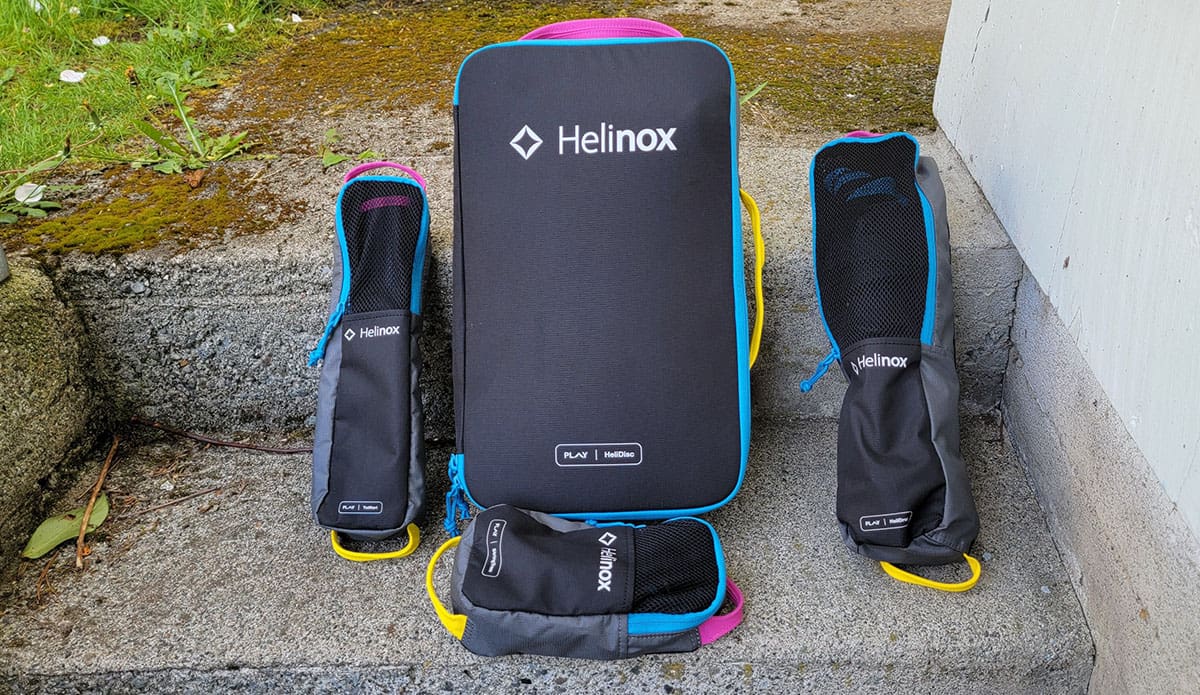
    The PLAY series comes with four different options: HeliDisc, StringTrees, YutNori, and HeliDrop. Each game is unique, and comes in a different size.

    StringTrees ($60 USD)is the smallest, lightest, and most packable of the lot. It’s basically a game like shuffleboard where you whizz a ring across a taut string that you tie between posts, trees, or any other freestanding vertical object. Scoring is simple – get as close to the end without going over.

    HeliDrop ($80 USD) is a classic bean bag toss game, but with tiered levels, having the smallest hole being the most valuable.

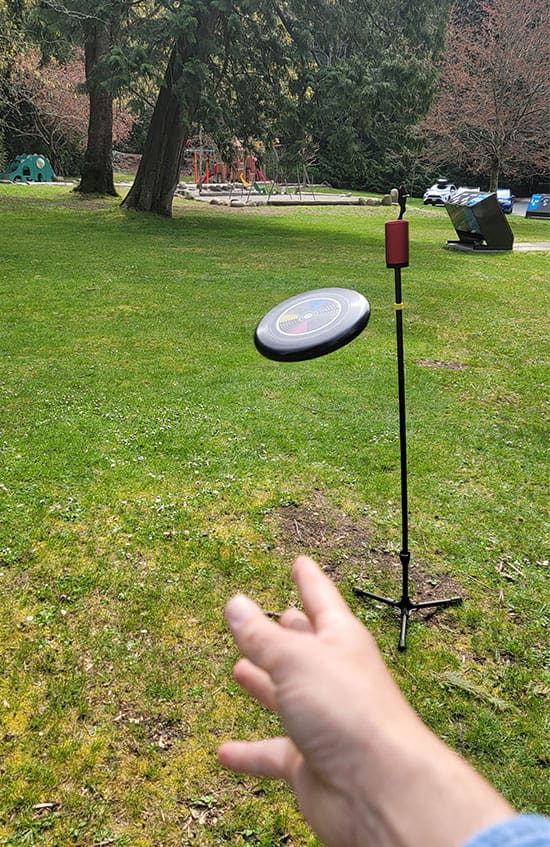
    HeliDisc ($100 USD) is a target game where you try to knock the other person’s target off with a flying disc. It sounds simple, but it is actually quite hard.

    YutNori ($40 USD) is a classic Korean game that involves strategy and can be played on any surface.

    All the games speak to different skills, but the common thread is they are best played in groups.

    What We Like About Helinox PLAY

    The games are easy to set up, and weigh next to nothing in your pack (although HeliDisc is rather bulky). This means you can take these games into some wild places. And for those traveling with small humans, this can mean hours of enjoyment and bonding.

    The material is durable and built to last – just like Helinox’s other offerings in the camp furniture space. So we anticipate having these games in the pack for many years to come.

    But remote camping isn’t the only use. We’ve taken these games to the park for a picnic, and packing them along isn’t any extra hassle due to the lack of space and weight it occupies in the bag/wagon.

    Games for Little Ones

    We found StringTrees to be the simplest of the games, and our two year old loves it. She doesn’t exactly play by the rules, but you’d be hard pressed to find a toddler that can stay within the lines at all times. That doesn’t matter, she loves it all the same.

    The other game right up her alley is HeliDrop. This is the classic bean bag toss game, but with three levels. As you can guess, the smaller hole gains more points. While scorekeeping isn’t really on the agenda for her, she has enjoyed the coordination required to get it in the hole. She’s even started to take a couple steps backward to challenge herself even further.

    a young girl plays helidrop by helinox on the beach in hawaii

    Games For Bigger Ones

    Two games weren’t really applicable to our small family, but would suit larger kids and adult groups much better.

    HeliDisc is like a harder version of disc golf, where you have to hit an opposing target with a flying disc. It’s a lot tougher than it looks. It was the bulkiest of all the PLAY series, So it’s not really one to go backpacking with, but it also is the most challenging, meaning it has staying power.

    a flying disc moves through the air toward a target in the park

    Yut Nori is the other one, and it’s more of a board game to play on the picnic table. To be totally honest, we didn’t test this one because our kids are too small. But we can update here when we get word from others on how it was.

    Who Should Get These Games?

    So bottom line… these games suit a wide range of groups, not just families. We love the smaller ones and will use the other ones for other family group gatherings. You don’t need to get them all, but one of them will probably speak to you and your family the best.

    You can purchase the PLAY series Here (non-affiliate link).

  • Helinox Upgrades Their Iconic Chair One With a [Re]boot

    Helinox Upgrades Their Iconic Chair One With a [Re]boot

    You can’t reinvent the wheel. But can you reinvent the chair?

    Turns out you can, and on multiple occasions, 13 years apart. And in doing so, you can improve upon an already great product with a few simple innovations that make it that much better.

    I’m talking about the new Chair One [re] from Helinox, a brand that has become synonymous with lightweight, packable outdoor gear. Chair one started it all in 2012 and now, in 2025, they finally have a version 2.0.

    If anyone has tried the Chair One (or any of its many copycats of the past decade) you will know that it’s a step above in comfort and portability for a camping chair. It was so successful it basically set a new course for design. But is the new redesign worth the hype? Well, our family has been testing the chair for the past few months and I can say that the new features are more than simple bells and whistles. Read on to see what the changes are.

    Chair One [re]: First Impressions

    Weight:
    Capacity: 320 lb
    Seat Height: 28 in
    Materials:
    Recycled Polyester and aluminum
    Price: $129

    Pros: More comfortable and durable than the original.
    Cons: A bit too heavy for the ultralight crowd. Side holes might prove to have more wear over time than the first design.

    At first glance, the new chair looks pretty similar to the original. The shape is roughly the same and it uses roughly the same frame and seat design. But on closer look, it’s the subtle differences that add up and make this chair that much better. We will get into more detail further down.

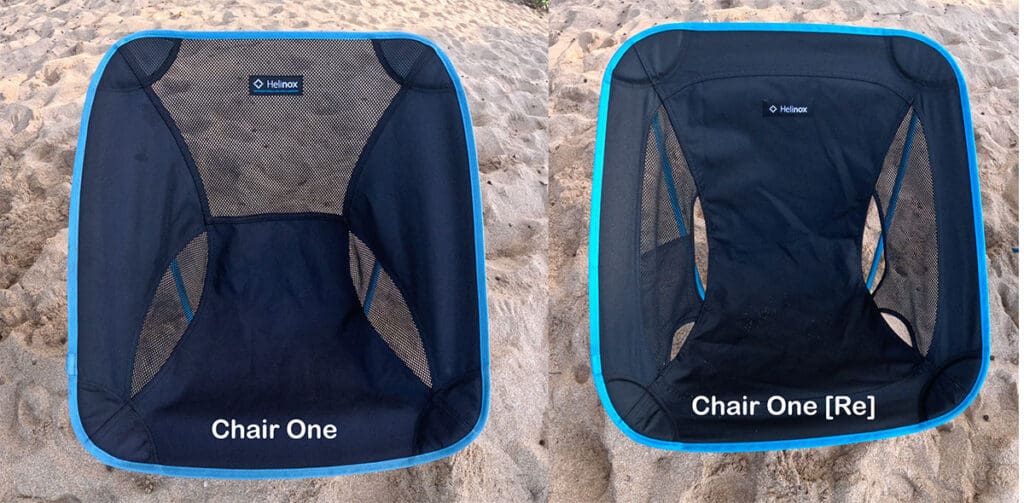
    The big distinguishing difference that I noticed right away is the seat height is 2.5 inches (or 30%) higher than the original Chair One. This is a good thing for people who are getting older (like the dad who is writing this now) or people who are tired after a long day at the office. The difference is subtle enough to not take away from a good quality sit, but noticeable enough to remark upon in a review.

    Basically every component of the chair and what makes it unique got a big upgrade. One big comfort item that may be difficult to put your finger on why it’s so much more comfortable is that they have added a second tension line around the perimeter of the seat, meaning weight is distributed more evenly. This allows them to make some modifications in the fabric, like cutting out holes in the butt cheek area to provide a more custom fit.

    Chair One [re] Vs The Original Chair One: A Comparison

    Chair OneChair One [re]
    Price (USD)$99$119
    Weight1 lb 15 oz.2 lb 7 oz.
    Capacity320 lb350 lb
    Seat Height25.5 in28 in
    comparing the helinox chair one to it's newly redesigned upgrade on the beach
    The differences are subtle, but end up being a major upgrade in comfort and durability.

    Notable Features of the Chair One [Re]

    You may or may not know that the Chair One is the original design of the camp chair renaissance that has occurred over the past decade. It’s a welcome innovation over the ever-prevalent fold up chairs that were awkaward to carry and left your lower back feeling disfigured. Those chairs never left, but with the new redesign that the Chair One spearheaded, camp chairs have a whole new level of portability and comfort.

    Speaking of portability, that’s probably the standout feature of this design. It packs up small enough to fit in the water bottle compartment on the side of a daypack, and setup is quick and easy.

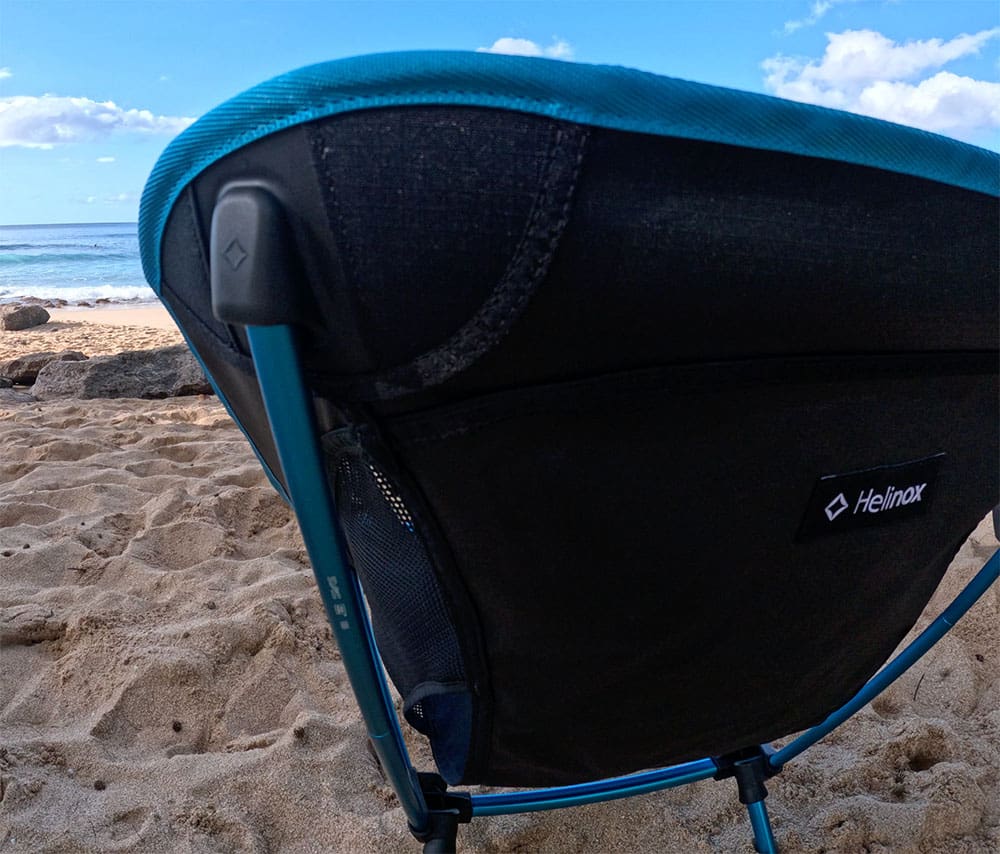
    The big additions to the redesign are some of the subtle differences providing not-so-subtle results. One is the socket joints that attach the seat to the frame. That is probably the area of highest wear on our original Chair One, so it’s nice to see that they have addressed this issue with something more durable and long-lasting.

    Another bonus is the hubs on the frame are reinforced, giving even more durability and quick assembly time, adding value to the investment over the long haul.

    a close up of the seat attaching to the frame on the helinox chair one [re]

    Helinox also is one of the industry leaders on more sustainable materials. All the materials used are either recycled or repurposed, making sure that less harm is done to the environment over the long run. The Polyester fabric will undoubtedly shed microplastics, but it’s durable enough to do so much slower than cheaper materials.

    the side pocket on a chair at the beach
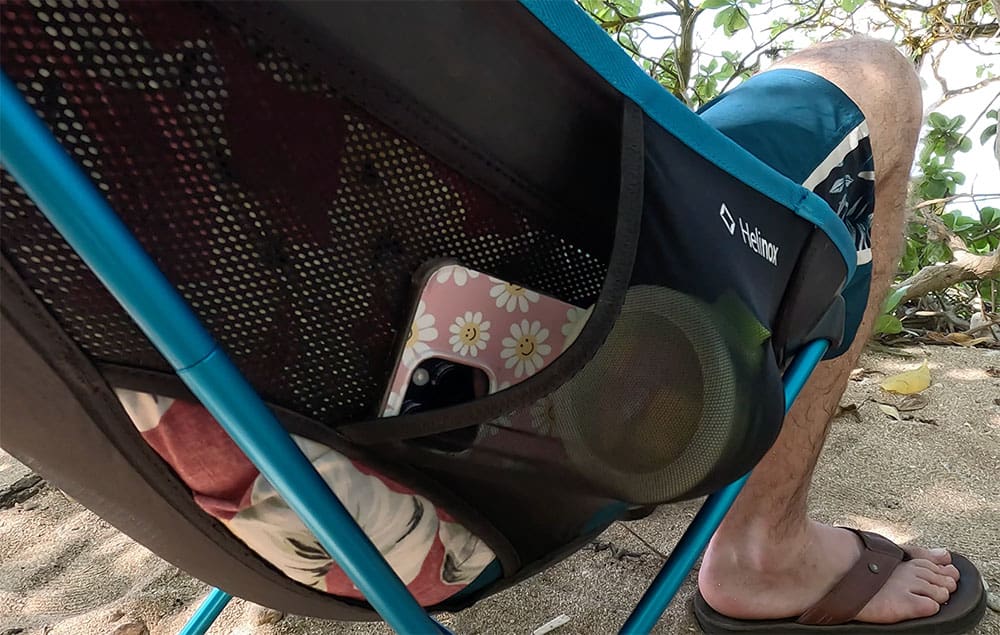
    The side pocket is a much welcome addition, especially for families with small children needing constant snacks.

    Drawbacks to the Chair One [Re]

    At 2.25 lbs, it weighs a tad more than the original which clocks in at just under 2 lbs. This 8 ounce difference is negligible to some, and a dealbreaker to others. But those people are probably going the super-ultralight route and opting for the Chair One Zero or another lightweight (albeit less comfortable) chair.

    With the extra holes, the new seat design has the potential for more rips and tears and things to go wrong. I suppose it will depend on your kids, and

    While we as parents in our 40’s enjoyed the extra seat height, it also provides a higher center of gravity over the Chair One. This can be troublesome if you have a kid like our 10 month old who loves to climb anything within reach. He learned pretty quickly how to tip the chair over, but has yet learned how not to. So we’ve made a habit of leaving the chair on its side if we’re not sitting on it to lower his level of temptation. We also have Helinox’s Beach Chair, which is a bit lower to the ground and safer for our creepy crawly.

    Final Thoughts

    The new Chair One [Re] is a significant upgrade. Fans of the Chair One (and Helinox products in general) probably won’t need this review to know that the chair will be well designed and made from quality materials. They’ve earned their reputation over the past decade as a leader in reliable portable camp furniture.

    Is the redesign worth the extra 20% on the price tag? I’d say so due to several standout features such as the improved socket joints and extra line of tension. Those features alone will make the chair last much longer over time, thus makeing it a better investment in the long run.

    If you have a Chair One now and are satisfied, you can probably wait until you need another. But if you’re buying out of necessity and can afford the extra $20, it’s worth it to have extra comfort and durability, and an improvement on a product that set a new trend on outdoor camping comfort.

    a folding beach chair looking out towards the ocean
    Just sit back and enjoy the view.
  • Aurora Heat Fur Handwarmers Review

    Aurora Heat Fur Handwarmers Review

    What does it mean when someone tells you to “vote with your wallet”?

    It’s an important phrase in this day and age, and yet I believe the power of voting with your wallet is far undervalued. Based on the way our system is set up, It’s one of the only ways that consumers can have a say in how society is shaped. The catch is, it needs the collective actions of many individuals for any meangful change to occur.

    But, if done mindfully, we the people can enact a different idea of consumption altogether if we simply buy certain products more mindfully. And handwarmers just may be a prime example of that, as trivial as it sounds. But when you think about those who use single-use handwarmers regularly, the envioronmental costs add up.

    Why Single-Use Handwarmers are Bad For The Environment

    Love it or hate it, our economy is based on consumption. Many of the most successful corporations in the past 100+ years know this fact, and give us packaged food, toothpaste, and all kinds of other products meant to be discarded after consumed. This is a fact of our day and age and a result of the endless pursuit of profit. As such, the disposable hand warmer industry is actually big business: Current studies value the hand warmer industry at 1.45 billion, trending upward to be worth nearly 2.23 billion by 2033.

    This would be all well and good if these were sustainable, but they’re not. Most use iron ore and are wrapped in plastic. For us, as a family trying to do our best to preserve this planet for the next generation, it’s a non-starter to have something you only use once — especially if you need to use it repeatedly. But thankfully, there is indeed another option.

    Aurora Heat’s Solution: Reusable Fur Insulation

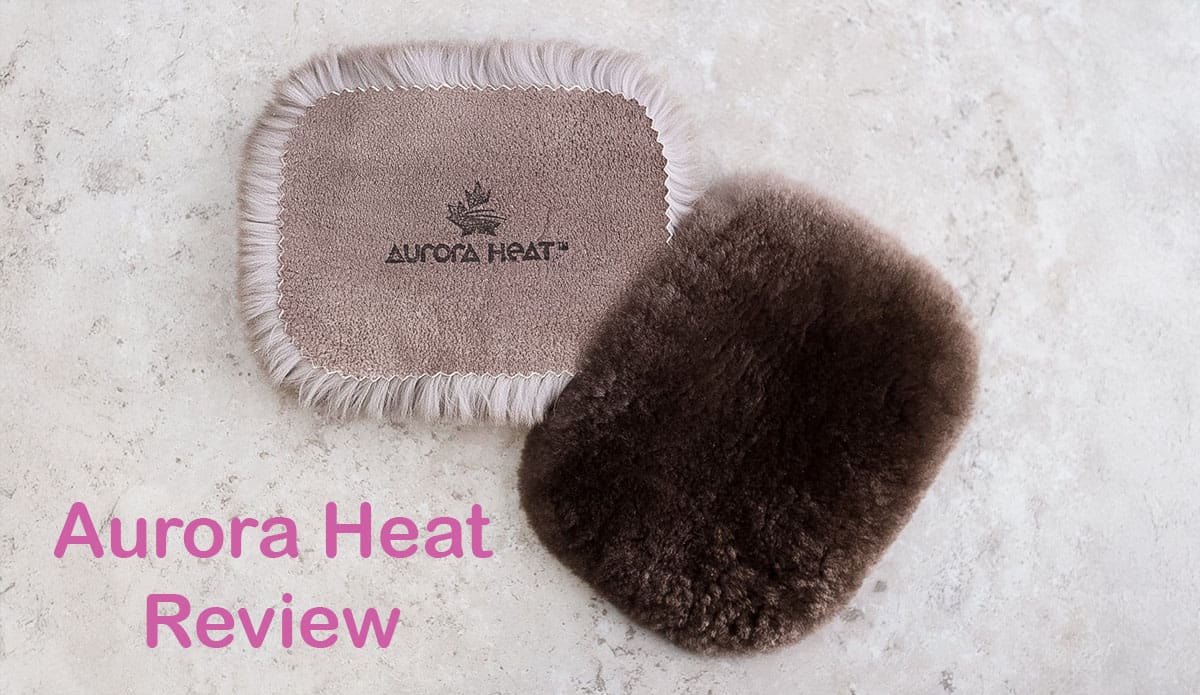
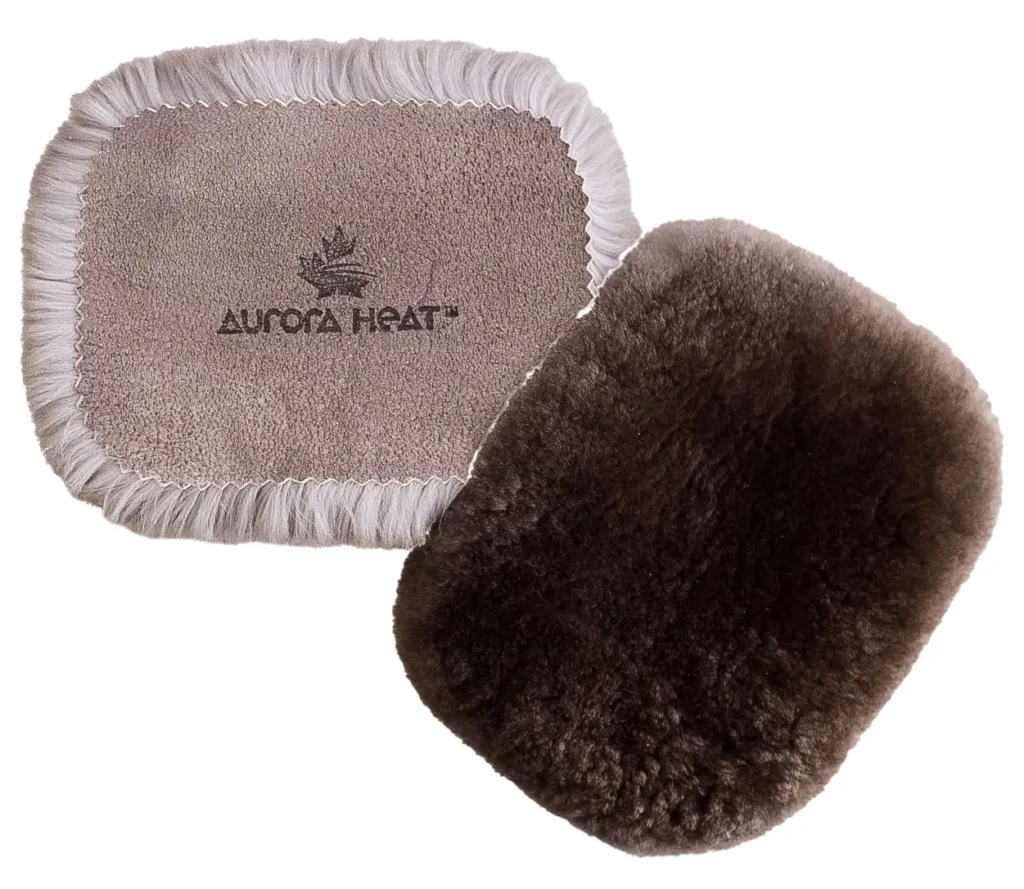
    the beaver fur handwarmers from Aurora Heat

    Aurora Heat sent us a sample test of their beaver-fur handwarmers to try out . And while the “heat” part of the name isn’t entirely accurate, there is some truth to it. The hands do, in fact, feel warmer after putting them in your glove or your pocket. But they don’t supply any heat other than reflect the heat you have in your own hands. So, a more accurate name might be insulators rather than warmers. However, if you look at the heat we supply within, the name can be understood a bit better.

    That said, I don’t think you can find something more in sync with the circle of life than a pair of these. And that’s because these are made from only one material – beaver fur.

    For those who don’t know (and we didn’t before learning it after reading up on it) beaver fur is not only one of the world’s best natural insulators, but it’s one of the most sustainable, as well. This might not be true everywhere, but these furs are harvested in the Mackenzie Valley in northern Canada under a program run by the government. It’s important to point out that beavers reproduce with litters, leaving more each generation if predators don’t take them out. Since human activity scares predators away, and beaver activity can severely impact how a watershed operates, there is a reasonable amount of culling that can take place without affecting the population.

    While some people may lament this practice, the reality is that the environmental effects of beaver hunting are far less impactful than mining ore to use for one time. As long as the efforts are kept in check (and the GMVF fur program does so), then enough animals will replenish the ecosystem year after year.

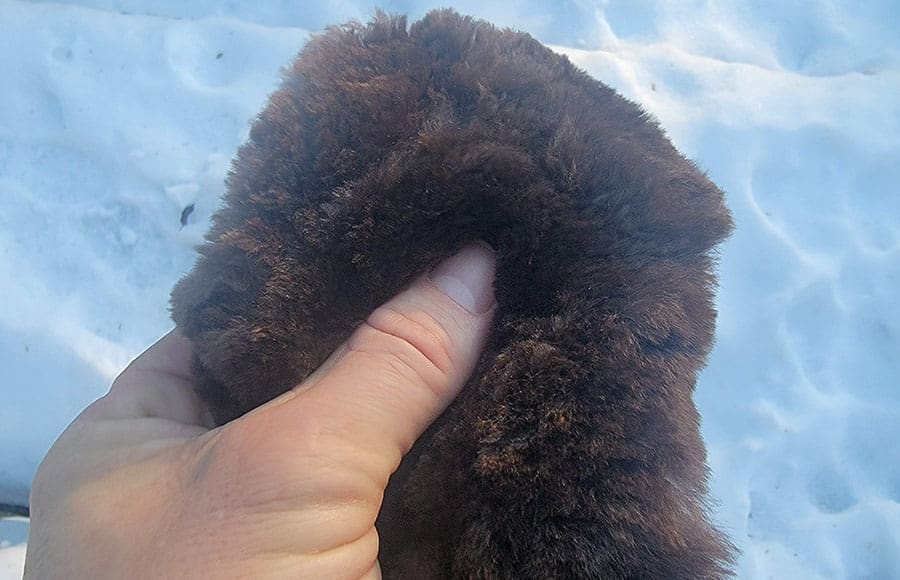
    a sample of beaver fur used as a handwarmer
    Sustainable and soft, the beaver fur works as an incredible insulator.

    Fur Hunting: A Time Honored Tradition

    The fur trade in Canada goes back centuries for the settlers. In fact, it’s one of the primary reasons Canada was settled by Europeans from coast to coast to coast, due to the efforts of the Hudson’s Bay Company, almost 200 years before Canada became a nation. But when you speak with the First Nations who were in the area for thousands of years before that, it has been happening long before recorded history.

    The fur trade remains integral to the cultural identity and economic well-being of many communities in the Mackenzie Valley. For Indigenous trappers, beaver fur harvesting is not only a source of income but also a practice deeply rooted in tradition. Programs like the GMVF support these communities by providing access to markets, ensuring fair compensation, and promoting the cultural heritage associated with trapping. By choosing products made from locally sourced beaver fur, consumers can support sustainable practices that benefit both the environment and the Indigenous communities of the NWT.

    Advantages to the Aurora Heat Handwarmers

    Aurora Heat works, but they don’t supply heat. They kept our hands warm, with the caveat that we had good gloves as well. But the time for the hands to feel warmth accelerated compared to putting on cold gloves. The same was true for in the pocket.

    The big differentiator here is the soft feel of the fur. It is truly some of the softest material you will ever touch, and we’re confident enough to say that and stand by it. We did not receive any compensation for this review and hold our ethics very seriously when we recommend products, and we can say that, without a doubt, these are softer than any disposable or even reusable electronic handwarmers you will ever try.

    Speaking of reusable hand warmers, most of these are battery operated, meaning two things: it will expire quicker in colder temps, just when you need it most. You also have to put the battery somewhere, adding bulk to the unit.

    So both single-use and reusable, battery-operated hand warmers won’t be useful longer than a few hours, especially when it’s really cold out. I don’t know about you, but if I’m stuck out in the cold with some type of emergency situation and one of those is rendered useless, I’d be pretty bummed that I didn’t have one that didn’t require anything other than its own natural insulating properties.

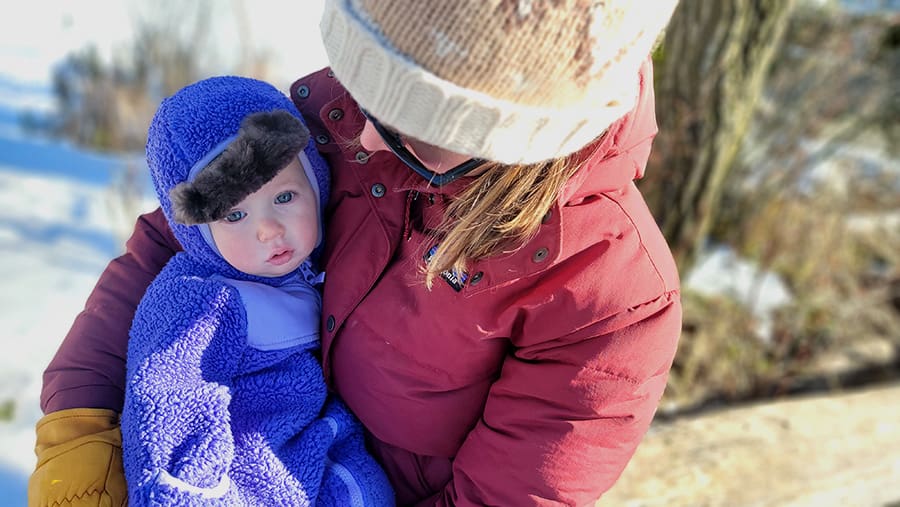
    a baby is bundled up in the winter with a beaver pelt sticking out of his bunting cap. he is held by his mother.
    It also worked to warm our baby’s forehead and kept the sun out of his eyes.

    Disadvantages to Aurora Heat

    The main thing that is hard to overlook is the price. At $80, It’s an investment with an upfront cost. But depending on how often you will use them, that investment pays off quickly, considering you get 24/7 warmth without needing to charge it or buy more.

    Also, since it doesn’t actually provide any heat, it’s probably not the best to use in a situation where you are dealing with frostbite. For that it would be good to have another heat source. Surely it would help more than if you had nothing… but for emergencies it might be good to have something that actually emits heat onhand.

    Final Thoughts

    Aurora Heat is an investment in sustainability. As a business owned by an Indigenous woman, you are making a direct effect on the livelihoods of people up north who can find work sharing the abundant beaver furs with the world, and not have to rely on a job that involves resource extraction or any other destructive vocation that is prevalent up north.

    So to tie it back to the original statement, purchasing Aurora Heat is voting for sustainability through your purchasing power. It’s not a “warmer” per se, but rather an insulator, but a darn good one, as a matter of fact. So, if you want to have a natural product from an Indigenous-owned small business from Canada’s North that will last for many years, this is a wise purchase.

    And seriously, the softness is next level.

  • Christmas Gift Ideas For Outdoorsy Dads

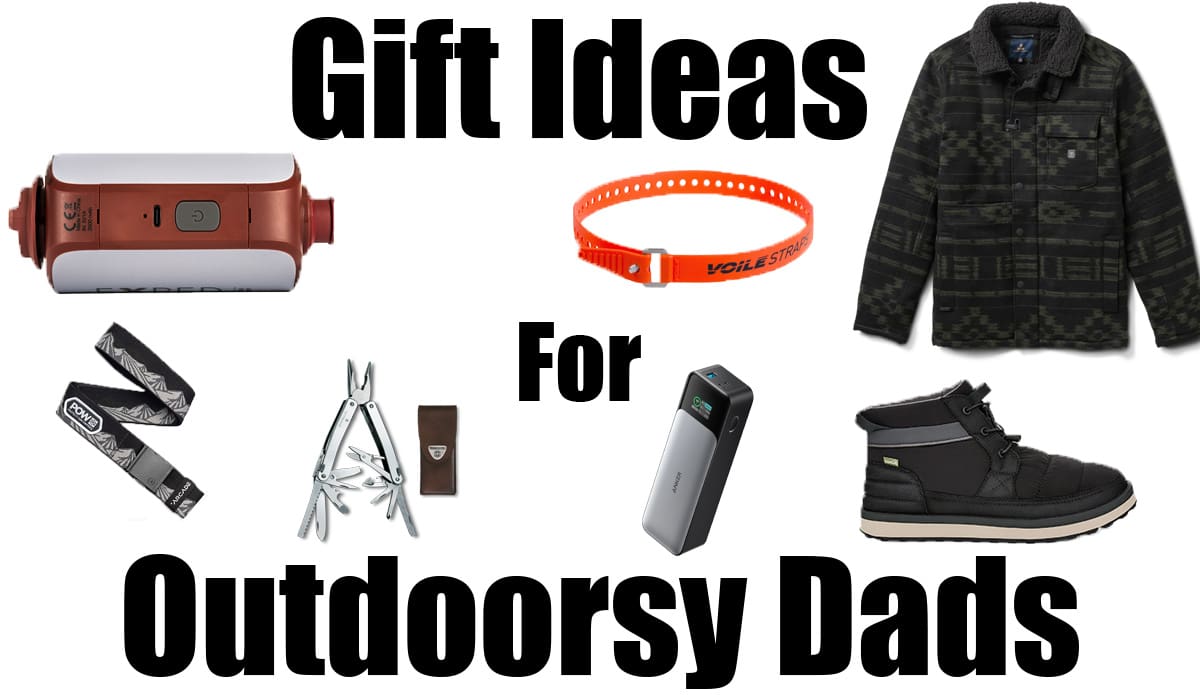
    Christmas Gift Ideas For Outdoorsy Dads

    Christmas is around the corner, and chances are that the gift ideas for the adventurous and/or outdoorsy guy in your life might be limited. This is for a couple reasons: One is that if he’s a gear snob he might already have their gear closet pretty dialed. Or, they are modest and humble and spend all their time working and doing things for their family that a Christmas list isn’t high on their priorities.

    Whatever the reason is, fear not, as I have put together some of my favorite items for outdoorsy dads, and really just guys in general. I focus on dads because I’m hoping that’s what you’re searching to hit the algorithm, but also because dads in particular need a bit of extra attention sometimes. Most of us are just working hard behind the scenes doing what we can to provide for our families, and even if we aren’t making tons of money for the family, we are showing our love in other ways.

    So, here is a list of Different items that should suit the dad in your life, based on the hundreds of items I’ve tested over the past couple years. I’ve broken it down to Stocking Stuffers, Apparel, and Footwear. Hopefully this list can help you show your dad, husband, son, friend, or coworker who happens to be a dad just how much you think they are doing a great job.

    Stocking Stuffers for Outdoorsy Dads

    Here are a list of smaller items that produce big results outside:

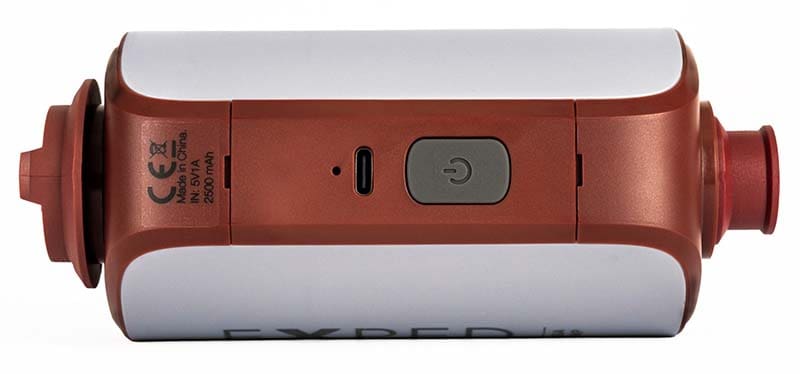
    Exped MegaPump

    the exped megapump for inflating and deflating air mattresses at campsites

    This might be a generalization, but I’ll say it anyway. Pumping up the air mattresses and sleeping pads is usually the dad’s chore in a family campout. Which is fine, and it’s gotta be done, but why not make that chore a bit faster? Exped’s MegaPump makes it all the more easy with a small electric jet pump. It charges by USB-C, and is able to inflate and deflate many times over before needing another charge. Of course, this depends on the size, but I was able to use it on Exped’s Megamat for at least five sessions of inflating and deflating on a single charge.

    You don’t need an Exped mat either. The pump includes adapters to use for all different valves. It’s even small enough to take backpacking. It’ll be one of those innovations where it’ll be hard to imagine life before it.

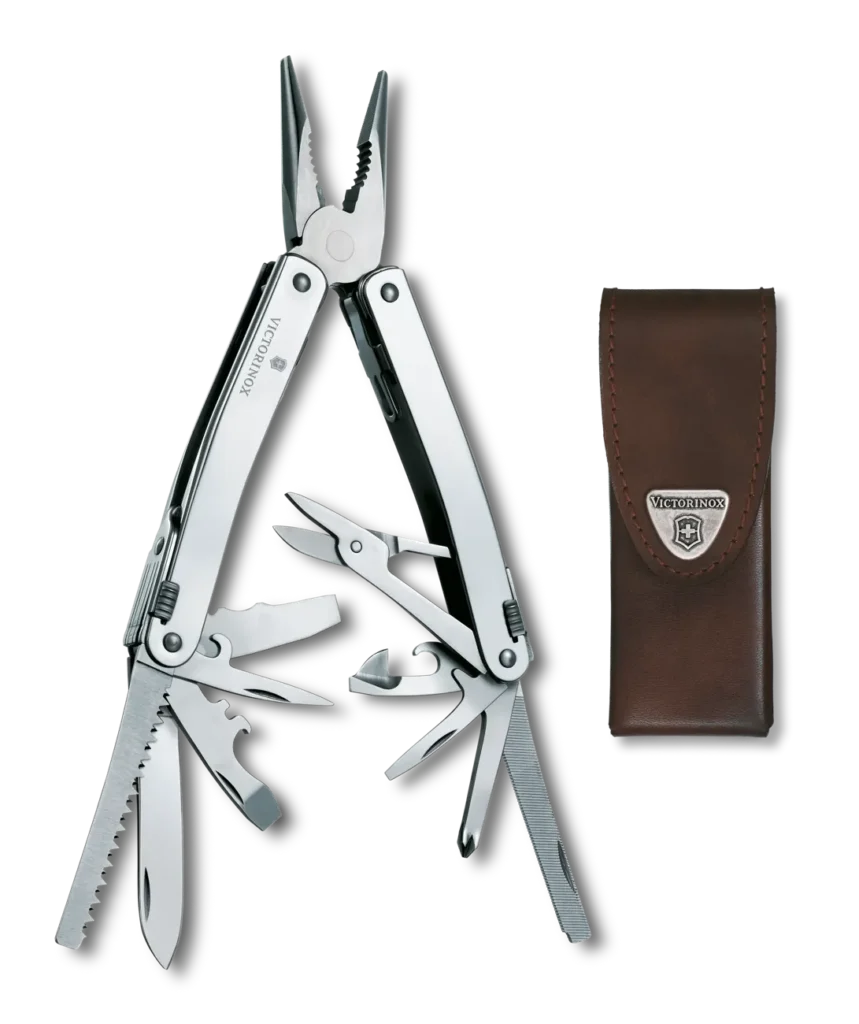
    Victorinox Swiss Tool Spirit X

    a product shot of the victorinox swiss tool spirit x as gift ideas for outdoorsy dads

    Every outdoorsy dad should have a multi tool. They come in handy almost every day. What I like about the Victorinox Swiss Tool, from the same people who give you the Swiss Army Knife, is that it screams quality through and through. The stainless steel is of top quality, and the blades and tools provided all have real-world practical uses. Plus, the bowed design not only has a modern look, but it also adds to strength when using the pliers.

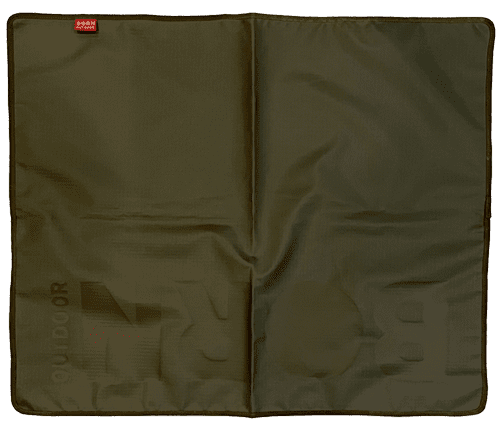
    Born Outdoor Mud Mat

    The Mud Mat by Born Outdoor

    This item is quite unassuming, however will come in handy more and more, the more often you use it. It’s a simple mat intended for helping you change outside your car, or anywhere that the ground may not be suited for changing your clothes or shoes. It’s called the Mud Mat, and will change the way you approach the trailhead, parking lot, and anywhere else where a costume change is better suited out of the car. I use it all the time now and am surprised I didn’t have anything before this that served a similar purpose. It’s made from recycled materials and is waterproof, durable, and folds up nice and out of the way when not in use. For something so unassuming, the practicality will have whomever receives it be thanking you perhaps not initially, but certianly once they incorporate it into their routine.

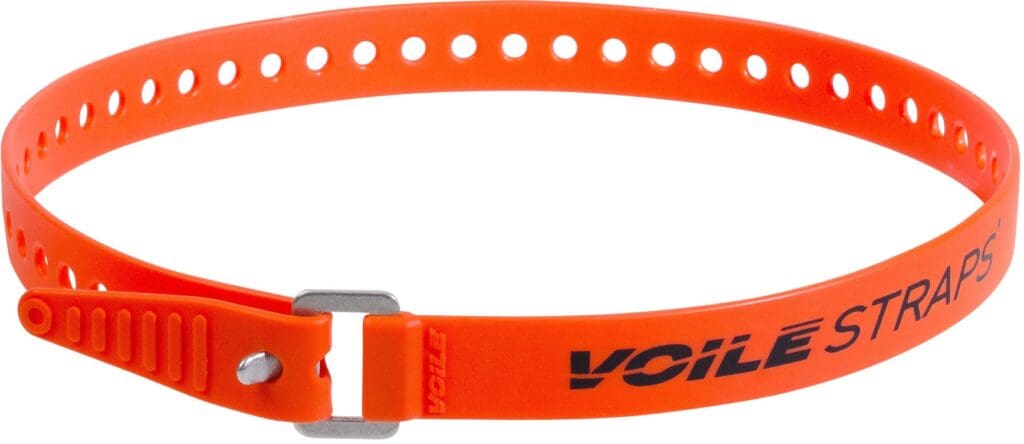
    Voile Ski Strap

    a ski strap by voile for a gift guide for dads

    Ski straps started out to tie skis together, but the uses for them are virtually unlimited. I always have a few in the bag as it allows me to bundle stuff together and add tension easily, and it buckles into place in a quick pull of the strap. Thanks to the small amount of elasticity, you can pull it tight and it’ll stay tight. Voile has been in the game for a long time so they have perfected their ski strap well. The aluminum buckle is definitely a bit more long-lasting than their plastic version. I’ve used these to help split injuries, Bundle stuff together, and much more. It really is as limited as your own imagination to what you can do with these. Plus, the price is right to where you can get a few of them. They last forever and really do come in handy far beyond tying skis together.

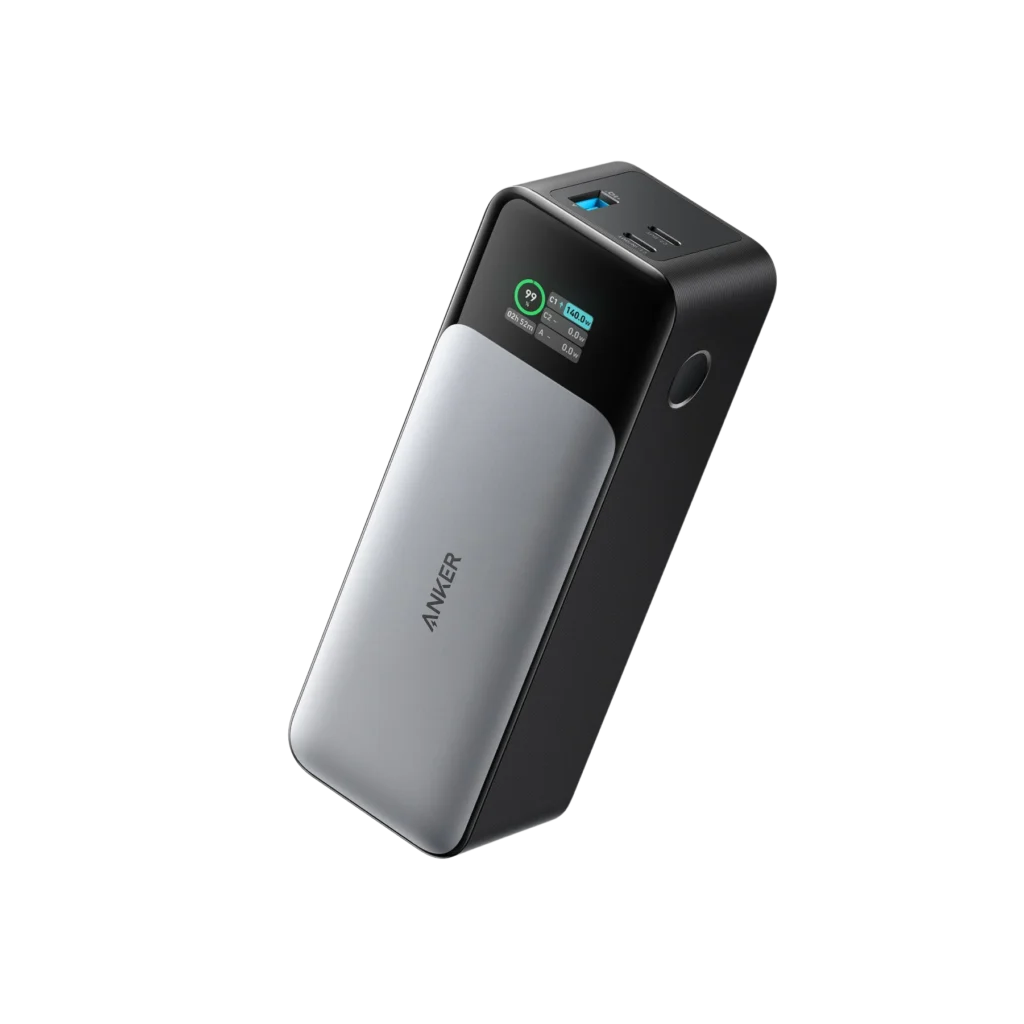
    Anker 737 Power Bank

    the anker 737 power bank for our outdoorsy dads gift guide

    It’s pretty much impossible to avoid technology in this day and age. Love it or hate it, it’s hard to leave home without it. Some devices can be life saving on an adventure. Having a power bank onhand will extend the life of your devices enough to get an extra charge, whether that be in an emergency or simply to stay off the grid away from a power source just a bit longer. The 737 Power bank is small enough to go onto an airplane, falling just under the max limit in watt hours for what is acceptable. I can even charge my Macbook pro laptop, and your average smartphone will usually get 4-5 charges on it.

    Outdoor Apparel For Outdoorsy Dads

    Here are a few options for good outerwear that isn’t necessarily technical, but looks and feels great. This is based on my experience, and is not scientific by any means, however I feel that I’ve tested a lot and can speak to the quality in these items quite well.

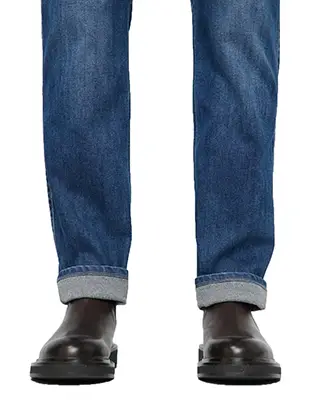
    Duer Tech Fleece Denim

    The Duer fleece lined denim pants for our outdoorsy dads gift guide

    Jeans haven’t had huge innovations over the years, except for the fact that maybe they went from working class function to hipster style in less than 100 years. But Du/er has created a line of clothing that looks great, and performs well in the outdoors. Their Tech Fleece Denim is right up there for the most comfortable jeans i’ve ever worn, and they also perform well outside. The DWR coating keeps water off, although won’t protect you from a downpour. But the secret sauce is in the fleece underlayer. It provides warmth and comfort and is a joy to put on. The dash of spandex in it makes the pants stretch just enough to allow for some activity, as well. Bottom line is that these aren’t cheap, but well worth it in comfort and warmth which many dads will love.

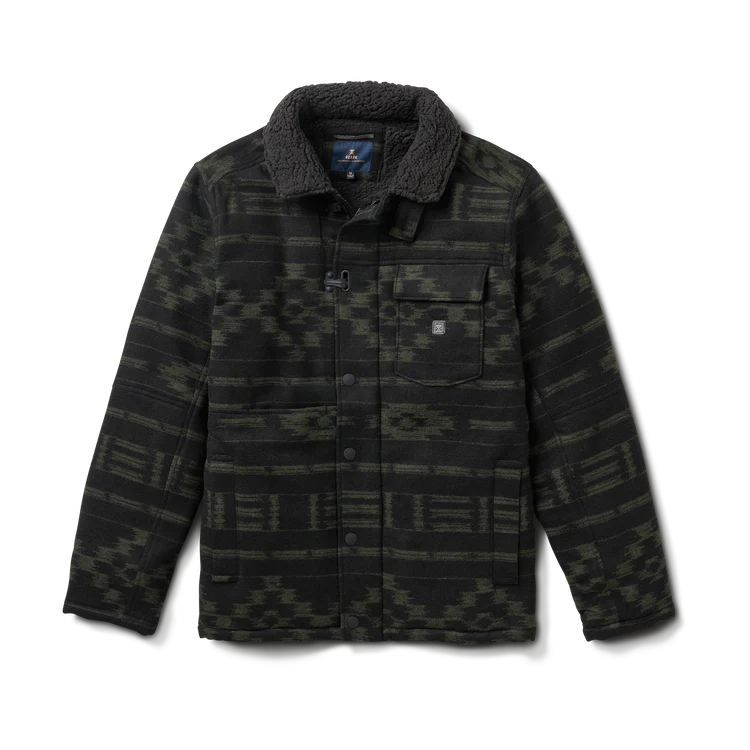
    Roark Axeman Jacket

    the axeman jacket by roark, a great gift idea for an outdoorsy dad

    There are tons of technical jackets out there, so let’s spare those for a second. The Axeman is just a simple heavy jacket that is comfortable to wear. I’m a fan of bulk when it comes to a winter jacket, and this one has a bit extra on it. It’s made from mostly polyester with just enough wool in it to have a more natural feel, yet won’t break the bank. It’s got a classic look yet still has some modern comfort like a zipper, or you can opt for just buttoning it up. It’s just a nice, cozy jacket to wear without looking pretentious. Sure it has some extra weight, but for a lot of us, feeling some weight on your shoulders in the winter months is a nice addition.

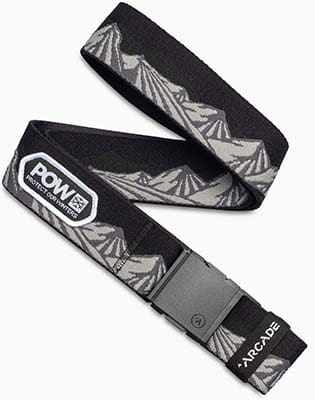
    Arcade Stretch Belt

    The arcade stretch belt product shot for our outdoorsy dads gift guide

    Belts always come in handy, but are often made with a more formal intent than for outdoor adventures. Arcade has made a stretch belt that has a wide array of good looks, but also is a big win in the function department. The stretchy material means you can move all around at your heart’s content without the belt holding back any movement. I also find the seatbelt-style buckle an easy way to get the belt on and off when outside. While the plastic in the buckel doesn’t scream elegance, it makes for using in the winter possible where metal buckles will become a frost magnet. I like the Protect Our Winters version as it has some nice mountain artwork thanks to artist Joseph Toney, as well as 10% of the sales going to support the POW organization’s effort to combat anti climate change legislation.

    Footwear Gift Ideas For Dad

    There are a million kinds of footwear out there, and I’ve tested literally hundreds of pairs of both casual and active footwear the past couple years. Here are some of my favorites, based on both fit and feel, as well as function.

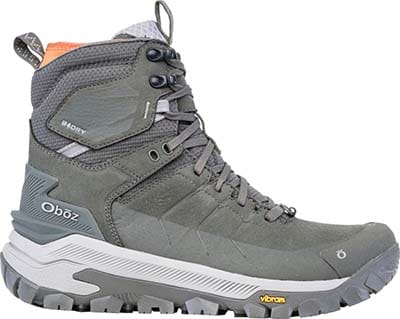
    Oboz Bangtail Mid

    the oboz bangtail mid winter hiking boot in a gift guide for outdoorsy dads

    A good winter boot will make adventures outside bearable in the months where people don’t want to do much outside. Even for those who do, it’s hard to find a boot that is nimble yet sturdy and warm, and not to mention truly waterproof. Oboz knocked it out of the park with the Bangtail Mid, an incredible piece of footwear that is great for hiking, snowshoeing, or simply cruising around anywhere in snow and bad weather. The high cuff lets you tromp around in the snow, and the Vibram Arctic Grip soles provide second-to-none protection. I could list all the features and sound like a marketing person, but the reality is that these are some of the most comfortable hiking boots I’ve worn in any season, and the fact that they are insulated with great traction just give so many options that it’s worth checking out.

    Plus, Oboz is a B Corporation, meaning they go through a stringent selection process to make sure that they not only put sustainability at the forefront, but they treat their employees and suppliers well while also doing good with the profits they receive. All in all, it’s a great reason to invest in these boots which will make the winter months much more fun.

    Glerups “The Boot”

    the glerups boot slipper for our gift guide for dads

    Slippers are great. They allow you to have comfort at home without getting all the disgusting crap that kids leave on the floor onto your feet. Wool is one of the gold standards of comfort, and Glerups makes a wool felt slipper that is right up there with the best of them when it comes to comfort. Where these shine is in the rubber sole, allowing you to take them outside and have a little jaunt around town if necessary. But the simplicity is definitely the genius of them, and they have become a go-to for at home wear but also has been out on errands just because, why not?

    Sanuk Puffy Chiller Mid

    the sanuk puffy chiller mid is a top recommendation for shoes in our christmas gift guide for outdoorsy dads

    I’ve been a fan of Sanuk’s footwear long before reviewing gear for a living. When I got to sample their Puffy Chiller collection, I thought it was an interesting mix of both lightweight and soft, and seemed pretty unique. But when trying it on, my whole spirit lifted up. I don’t say this lightly, and it’s without hyperbole, but these are the most comfortable shoes I’ve tested. They aren’t high-peformance by any means, but they feel like walking and a cloud. They are lightweight, yet still warm. It’s like having a sleeping bag on your feet.

    They will wear out if they are daily users, but for a nice jaunt around town or even to use around the house/cabin, they are excellent. Just be weary of keeping them close to the heater, as I found out when the sole delaminated. But that was my fault and I’m not using that as a strike against the shoe, more just as a caution so others don’t do it. They also have a low cut version as well for warmer climates, and a POW tribute as well, but the mid length I found to be a perfect for comfortable casual slip-on cold weather comfort.

    In Summary…

    Hopefully this page gave you a few ideas for what to share with your outdoorsy dad. I’m also happy to share more recommendations based on my Gear Reviews from other sites, including The Inertia and GearJunkie, and more will be coming to this site as we roll out more reviews for gear, and share some tips for traveling well with families and helping people leave a better mark on the planet. If you want to stay in touch, please contact us and help make the site better through collaboration.

    See you out there!

  • Kodiak 10×10 VX Canvas Tent Review: A Family Camping Palace

    Kodiak 10×10 VX Canvas Tent Review: A Family Camping Palace

    Before having kids, I was a minimalist when it came to camping. Light, fast, and easy were my guiding principles. After having kids, that changed. One of the first items I got was the Kodiak Canvas 10×10 VX tent. And while it’s not light, setup is actually pretty fast and easy. Maintenance, though, isn’t what I’d call easy, and being canvas it definitely needs a bit more love than your average nylon tent to stay up to snuff. But if you take the steps, you’ll have an incredible shelter that will become cherished in the family for many adventures to come. Let’s break it down a bit further, below.

    Kodiak Canvas VX Tent: First Impressions

    ProsCons
    RoomyHeavy
    Great windowsExtra care to maintain
    Built to lastCanvas can be prone to mold

    The first thing you have to know about a Kodiak Flex Bow tent is that it’s not light duty by any means. At 60 lbs, it’s not going to be attracting any of the ultralight crowd. But that’s a whole other market anyway. Those people probably aren’t bringing kids along, either, or if they do, their kids will end up swinging the other way when they are older and only want to go camping in RV’s. Heh, heh. Maybe not, but the thought of doing anything ultralight with children sounds like far too much planning than anyone I know with kids can handle.

    Once you get the heaviness out of the way, you’ll also notice a lack of poles, although the poles it does come with are quite heavy-duty. If you have never used a flex-bow tent, you’re in for a treat. It really only takes one time to learn how to set it up, and from then on the setup process is remarkably fast. Basically, you set up the roof by putting it under tension using the heavy-duty rods, and add the side supports. Make sure it’s properly staked for the tension to work properly. But that’s it. You can realistically have the whole thing setup in less than 10 minutes, assuming the campsite is already clear.

    a campsite on the beach at sunrise with the kodiak flex bow tent

    Notable Features of the Kodiak Canvas Flex-Bow Tent

    You can find the features by the name of the tent. The first one is in the material: canvas. Being made of waterproof duck canvas adds a heavy-duty element to the tent that you can’t find in nylon or any other synthetic material. Sure, it costs a pretty penny, but you will also find it incredibly rigid and supportive, no matter the weather happening outside. We have successfully used it in rainstorms where it rained over 1 inch in 12 hours, on top of dry playa desert surface, at Burning Man. If anyone heard of the infamous rains at the event in 2023, we were there, and the Kodiak kept us dry. The thick floor also lends to that, and the fact that it rises up to give a bit of a bathtub protection from water coming in was a huge advantage when the rain started filling in. We were safe, and would have been for another few inches of flooding.

    The other part of the name that stands out is the flex bow. This is the main feature that gives the tent its shape and provides a solid support where the staked-out tent can spread out from. It’s an ingenius design and isn’t exclusive to Kodiak, but the use of their premium materials means it’ll be durable and long-lasting.

    a kodiak tent in a campground next to a lake
    A tent like this makes car camping with kids a breeze.

    Drawbacks to the Kodiak Canvas Tent

    The weight was already mentioned, so it doesn’t need to be expanded upon. But it’s heavy. So car camping is the only realistic use for this tent, especially if you have kids in tow.

    The other main drawback to the tent is the canvas material. It definitely needs a bit more TLC than your average synthetic material tent. If you pack the tent up wet, you’ll need to set it back up at home to fully dry out before packing it up, which could take up to a day… and may not happen if you’re in a wet climate such as the Pacific Northwest in winter. You’d need a heated shed or something for it to dry out properly. So it’s not for everyone, especially if you don’t want to deal with soggy gear at the end of a camping trip. But if you have the space to dry it out and don’t mind the step, it isn’t a huge deal to work with.

    Also for a large tent you have a huge footprint to deal with, so unless you’re at a prepped campsite it will be extra work to prep. Not a big deal, but it’s definitely something to keep in mind.

    a baby sits inside a canvas tent
    a baby plays inside a kodiak utility tent
    The Utility Tent is a great option for an additional shelter.

    Final Thoughts

    Kodiak’s canvas flex-bow tent is a beast. But with the added weight and bulk comes a roomy and spacious shelter that you can stand up in, fit a queen sized mattress inside with room to spare, and enjoy protection from the elements. The VX version has massive windows that zip down for extra pretty views, as well as airflow. It’s not one tent to rule them all, but if you have an extended stay and want to camp in comfort, we found this to take the cake for convenience, durability, and great living space.

    a kodiak canvas vx tent in the squamish valley of british columbia
    Right at home in the Squamish Valley, BC, Canada