For all the obvious reasons and the fresh air fun, duhh. But maybe it ain’t so obvious when you think of all the work involved, I certainly am no stranger to that all too familiar heavy hurdle. And sure, you can get a good dose of the outdoors by simply going for a walk, hike, picnic, beach day etc., but to really feel the benefits of nature, to feel the weight lift, our family likes to spend some solid time without a solid roof over our heads.
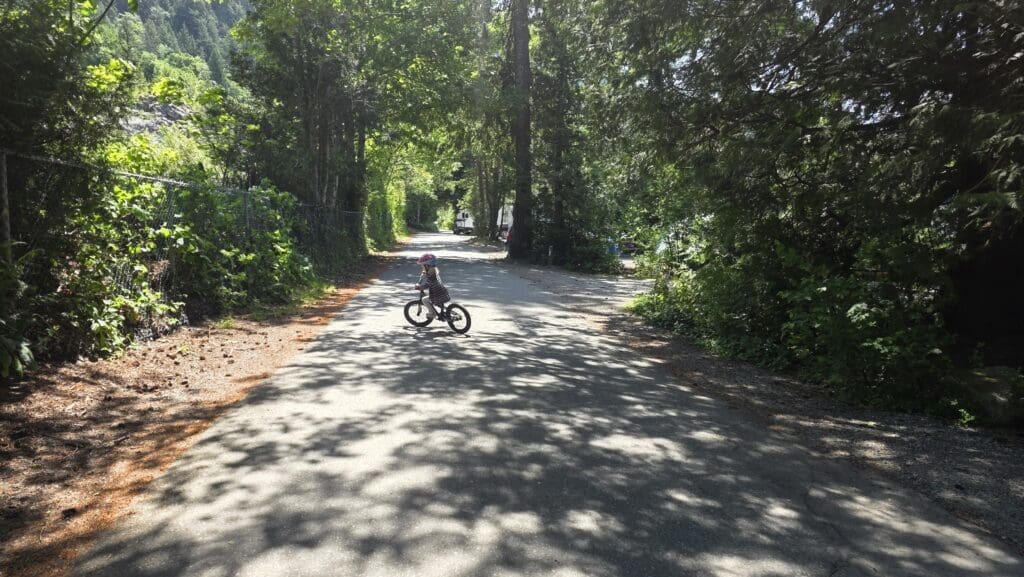
A couple weeks ago, while I was speedily walk-running to keep up with my daughter, biking around in circles around Porteau Cove Campground, she declared how much she loves camping. She then asked me ‘Mama, can we live here at Porteau Cove?’ I wish I could’ve said yes. Instead, I asked her what makes her love it so much, to which she didn’t quite have the words. She responded simply saying, ‘because it’s so beautiful’.
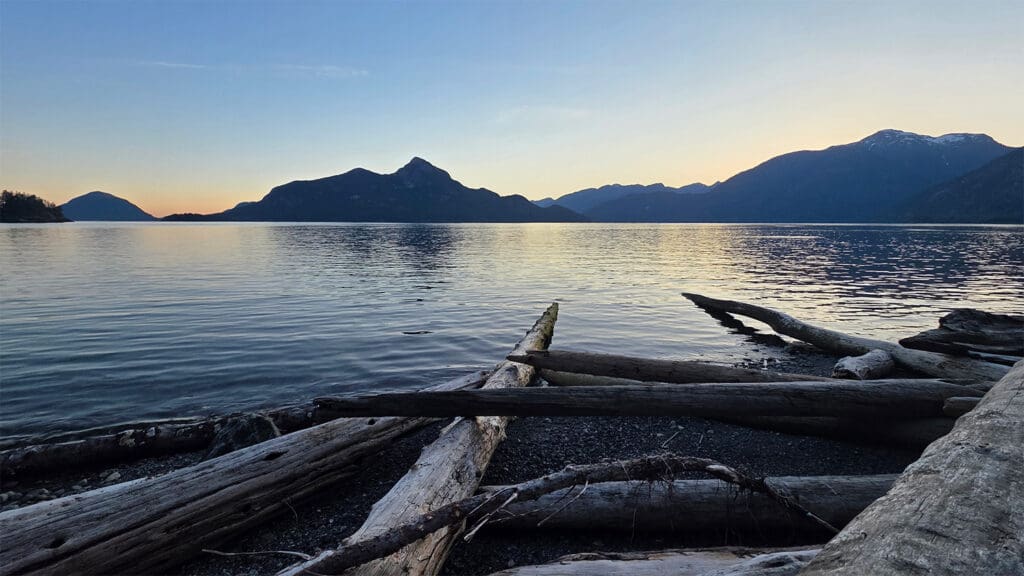
Sure is a real beauty
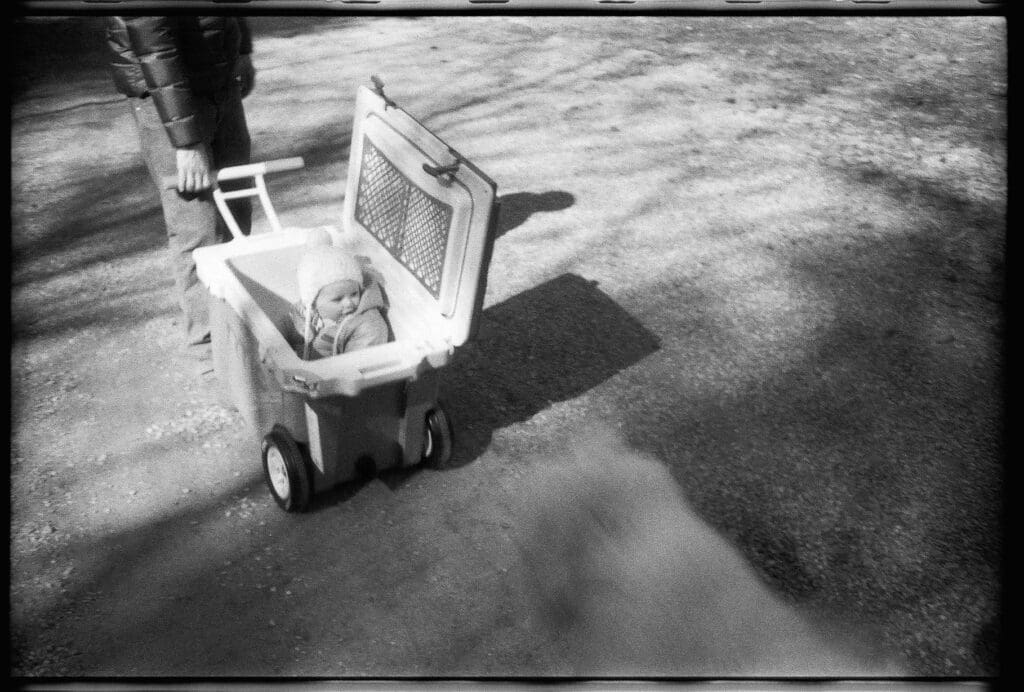
I am no doctor or child’s psychologist, but I am a mother and once a nature thriving child myself. The benefits to which I believe Daisy felt, are as simple and as complex as her answer.
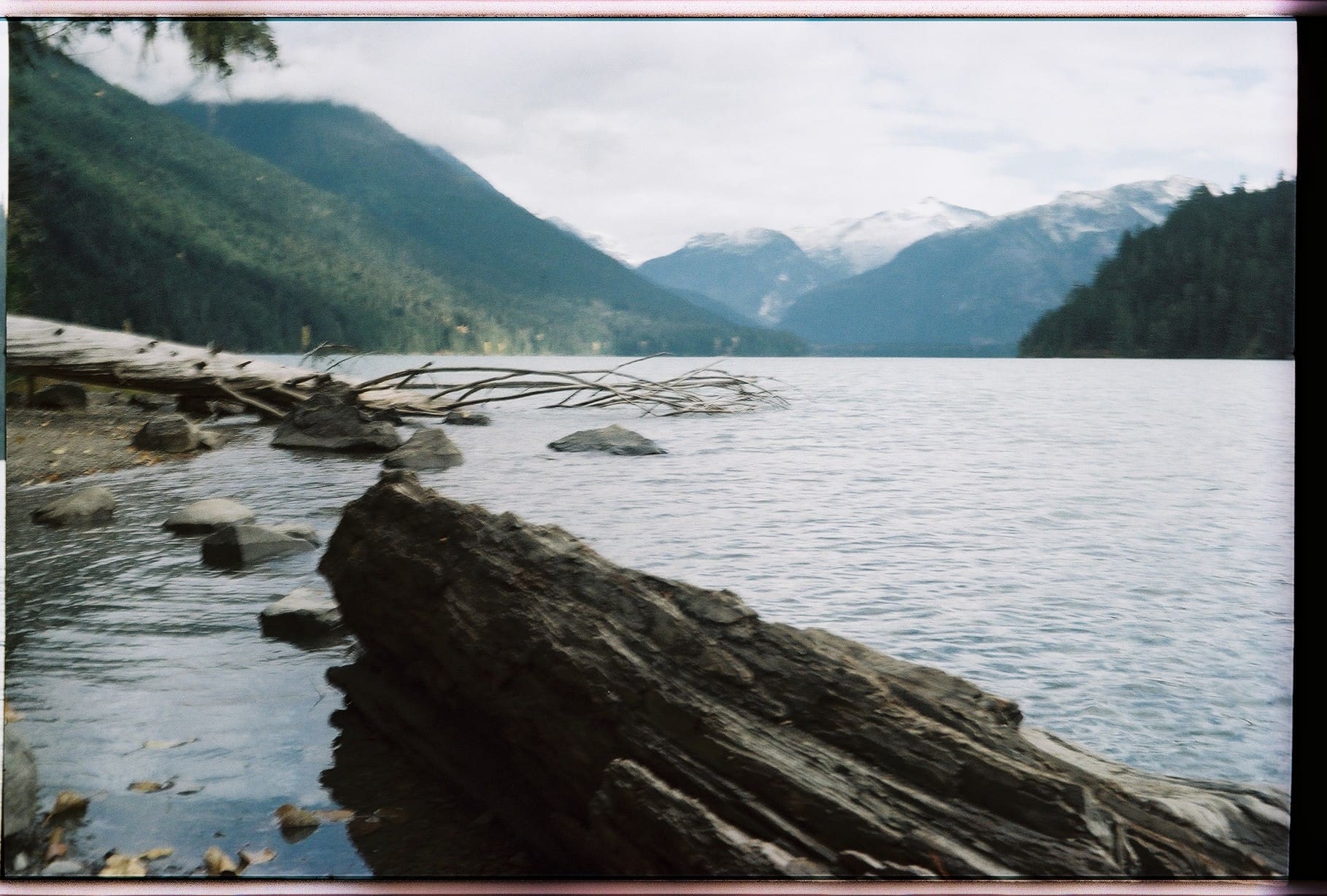
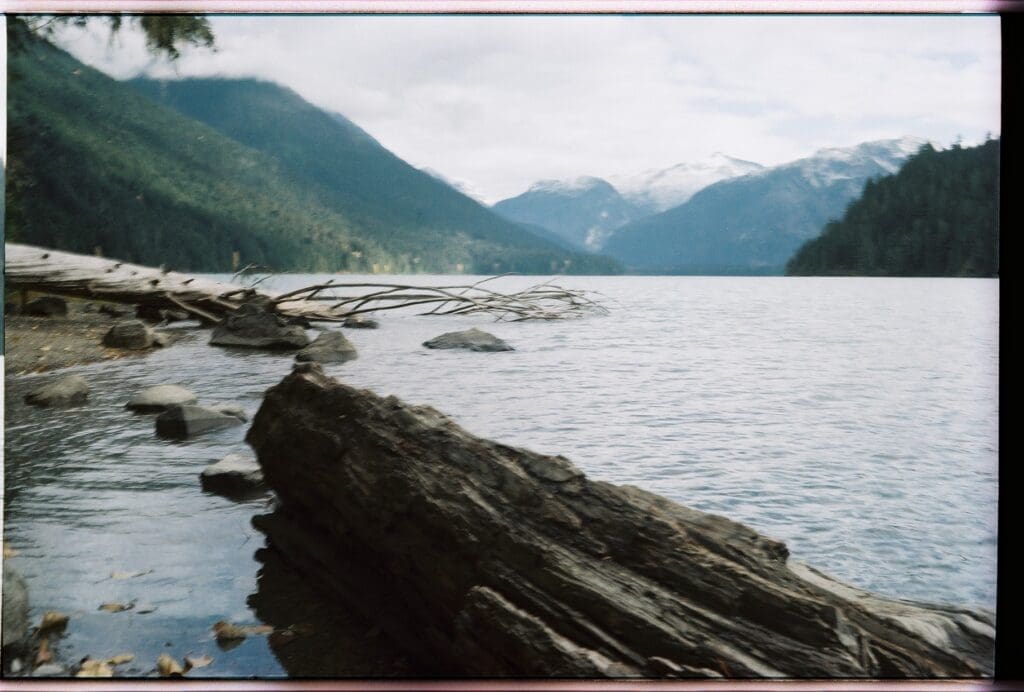
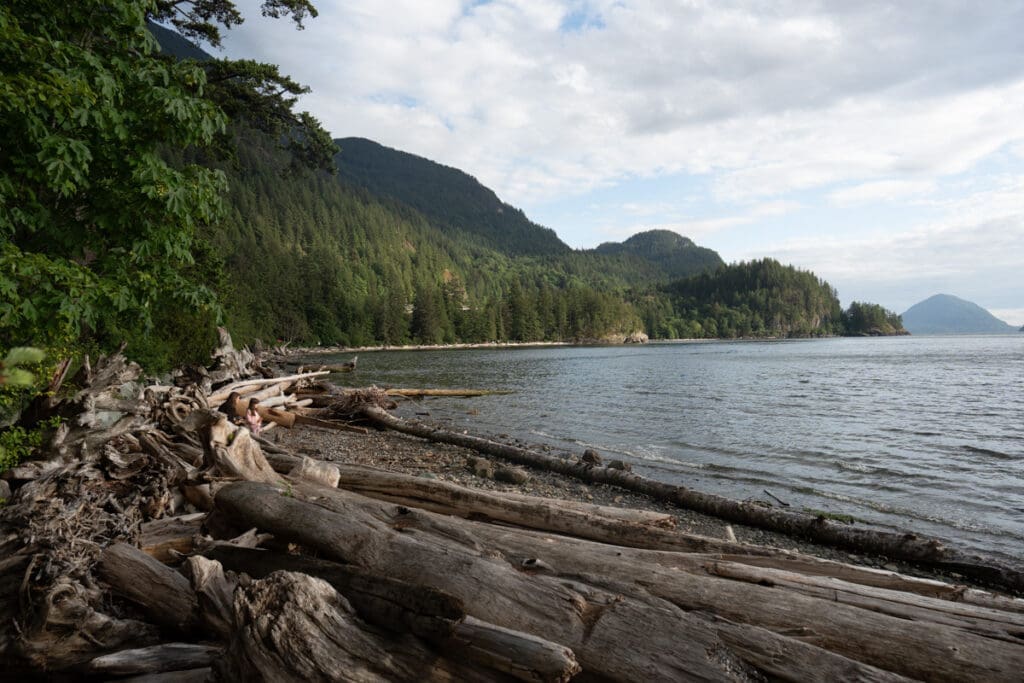
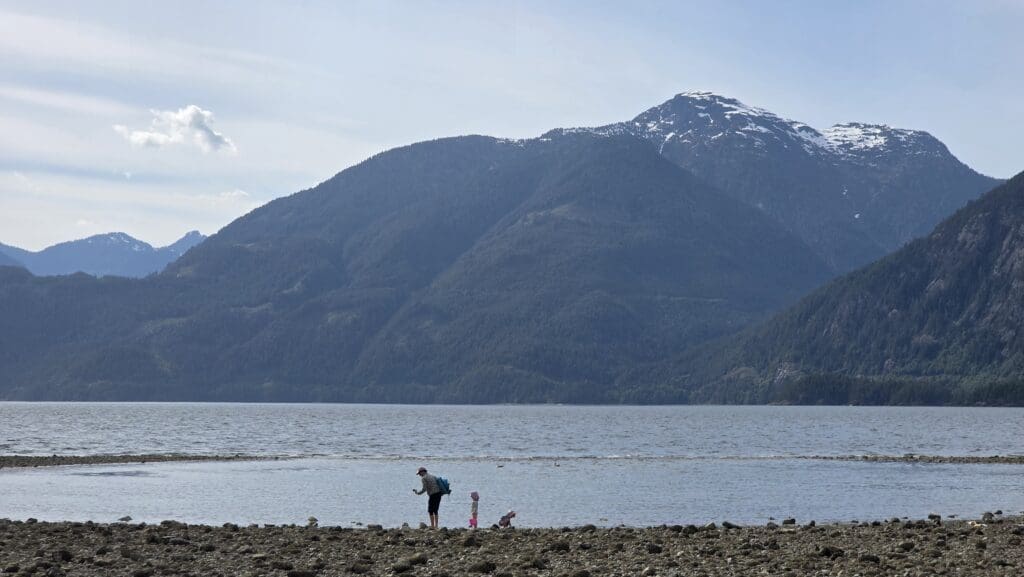
Howe Sound aka Átl’ḵa7tsem (in Squamish) is undeniably beautiful. The steep mountain lined fjord with it’s glacial fed emerald green waters, jagged deep green silhouetted islands, wise old douglas firs and red cedars lining the rocky shoreline. The salty mid-day winds and late summer golden sunsets make way for the star of the show – the night’s sky reflecting off the calm midnight waters. The wind in the trees, the squawk of the nesting bald eagles and barks of boisterous sea lions drown out the noises of the everyday world. Even the hungry creatures, the cute lil’ chipmunks and equally cute (but not cuddly) racoons and camp robbing Stellar Jays bring on the beauty.
This immersion is also undeniably beautiful for our psyches. Our nervous system can relax, we feel more in synch with ourselves and each other, feeding off one anothers ease. The deep sigh evokes, breathing in the fresh air and letting go, regulating on mother nature’s clock.
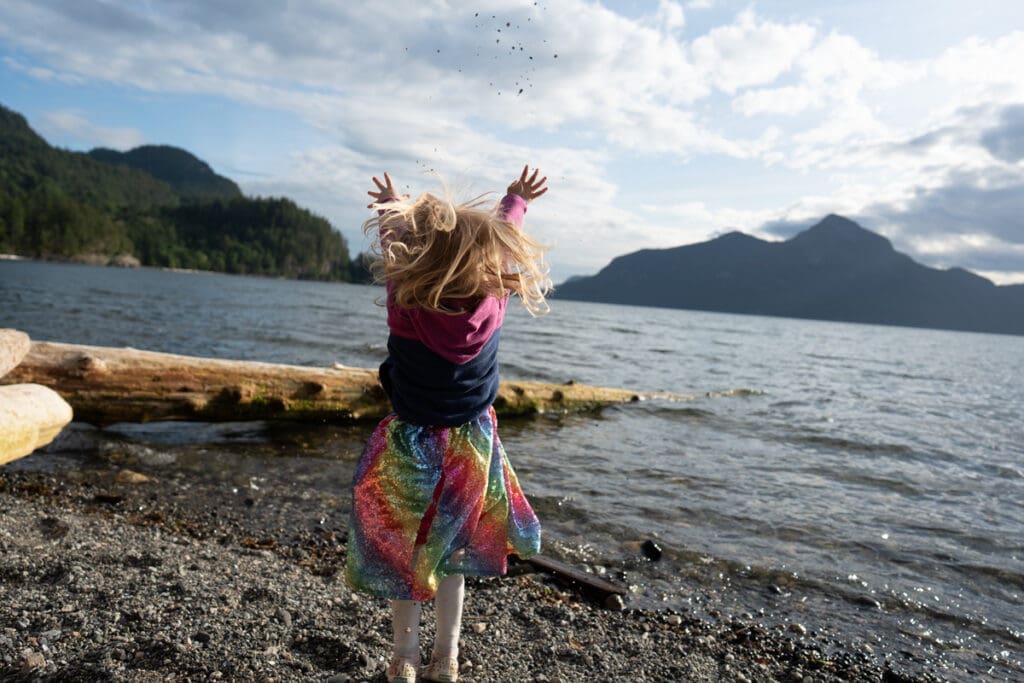
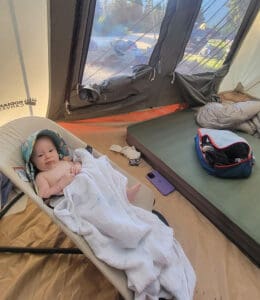
Their giggles as they bounce around their play tent. Their creativity as they make art from pinecones and rocks. The way the light reflects and twinkles off their soft skin as we play in tide-pools. Their pride after they squat for another ‘wild wee’. It’s all too gorgeous to capture by word. It’s a lived experience that penetrates our beings, along with their growing minds.
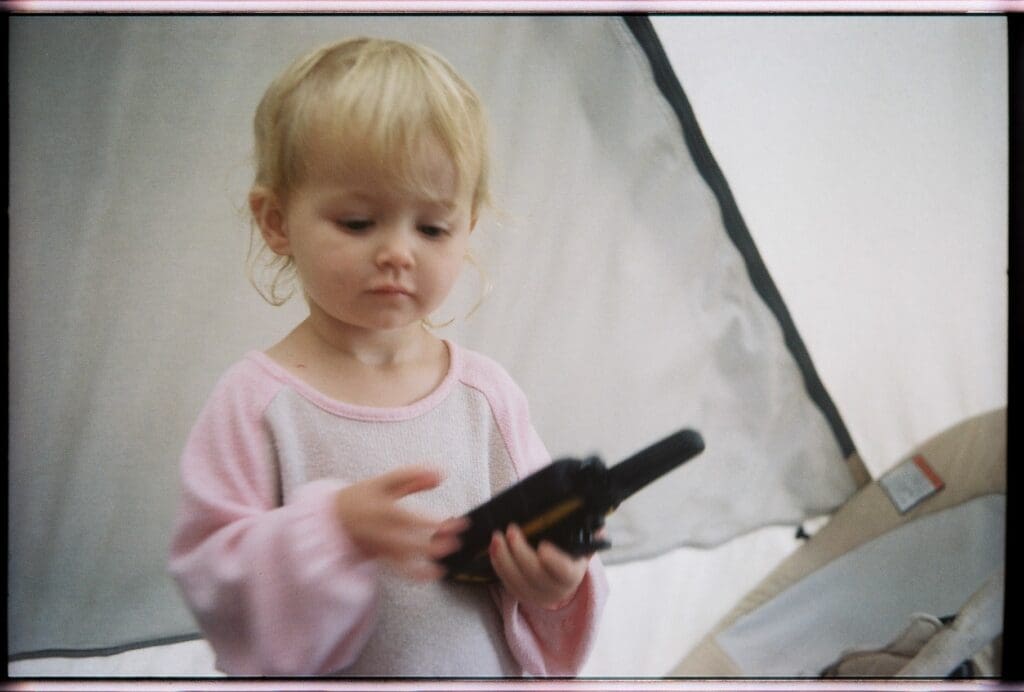
Come in Dada, come in Dada.. Young Daisy, pleasantly pleased playing with a walkie talkie, camping in the rain
Our time together is beautiful. The time to disconnect, to truly connect. The presence that we experience together while camping is unlike anything we can get at home.
Once setup is complete, we are there with the kids. Fully present without the nagging thoughts that accompany us at home. And sure, we still have to make meals and do the dishes, but the kids join us in this process; there are no walls dividing where they’re playing and where we’re ‘working’. The weight is fully released, and the kids feel it. Immediately.
But don’t get me wrong, packing and unpacking from camping can take time and work, a full day on either end, easily, depending on how long the adventure. Sometimes I drag my heels and think the work isn’t worth it, but once we go, there are never any regrets, even if it’s pouring rain – we’re outside.
I have a motto that came to me many years back when I was hesitating on whether or not to go for a hike through the woods. I had a laundry list of things nagging at me, so close to skipping the walk and staying indoors. But as I started out through the trails, my head unloaded, and it became so clear:
‘When in doubt, get out.’
I live by it. If I’m on the fence now, I just go. The puzzle pieces of life magically find their place, once you let go, and let nature be your guide.
And my goodness, it is beautiful. In all the ways. Every single time.
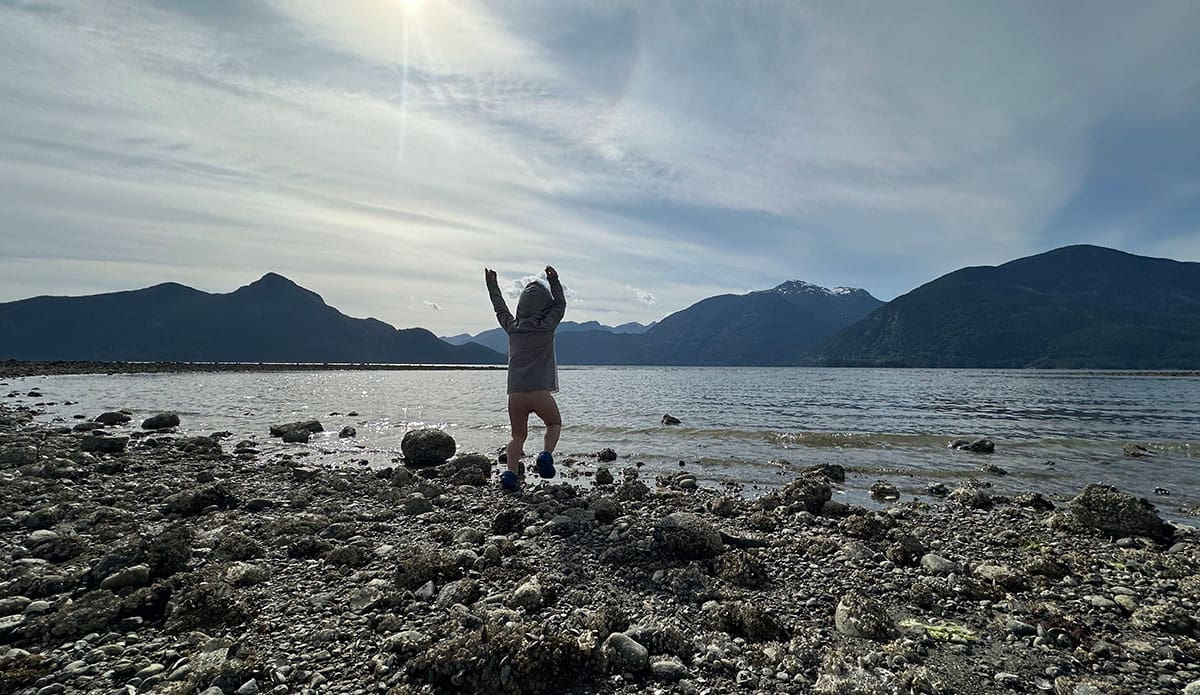
The reservation process can be stressful. Setting up is never easy. Weather can be hit-or-miss. But that first cup of coffee sitting by the water at low tide while watching the kids turn over rocks and view the life underneath makes every bit of work involved in coming to Porteau Cove worth the effort.
Where is Porteau Cove?
Porteau Cove is a popular stop along the Sea-to-Sky Highway 99 between Vancouver and Squamish. But most people just use it as a quick stopover on the way to other places, use the bathroom, maybe unpack a snack, and then move on.
Camping there, however, is another story altogether. It’s difficult to get a campsite if you don’t book three months in advance, sitting on your computer at 7AM hitting refresh until a spot comes up. This filters out most of the riff-raff, leaving those who know how special the place is to have one of the best waterfront campgrounds in British Columbia, and perhaps even the entire Pacific Northwest.
The Reservation System
Porteau Cove has exploded in popularity over recent years, and as a result, you can’t just waltz in there and expect to get a campsite. Most of the prime real estate gets gobbled up the moment it becomes available, three months in advance. Booking a site is a semi-stressful process, but thankfully everything else about the experience is pretty straightforward and simple.
The key is to know what dates you want to go, and be ready to reserve through the BC Parks online reservation system. Make sure you have an account set up before the system opens up to bookings at 7AM, three months before the intended date. Because once 7AM hits, you’ll be battling it out with everyone else trying to get the same spots.
Not all campsites at Porteau Cove are created equal. The best sites are along the water’s edge, with south and southwest facing views across Howe Sound for ideal evening light. This makes it even more limited for getting the site you want. Summer months are obviously more competitive; as are the weekends. So our tactic is to book for Sundays or the Monday of a long weekend where the highest chances of people leaving are.
The Best Campsites at Porteau Cove
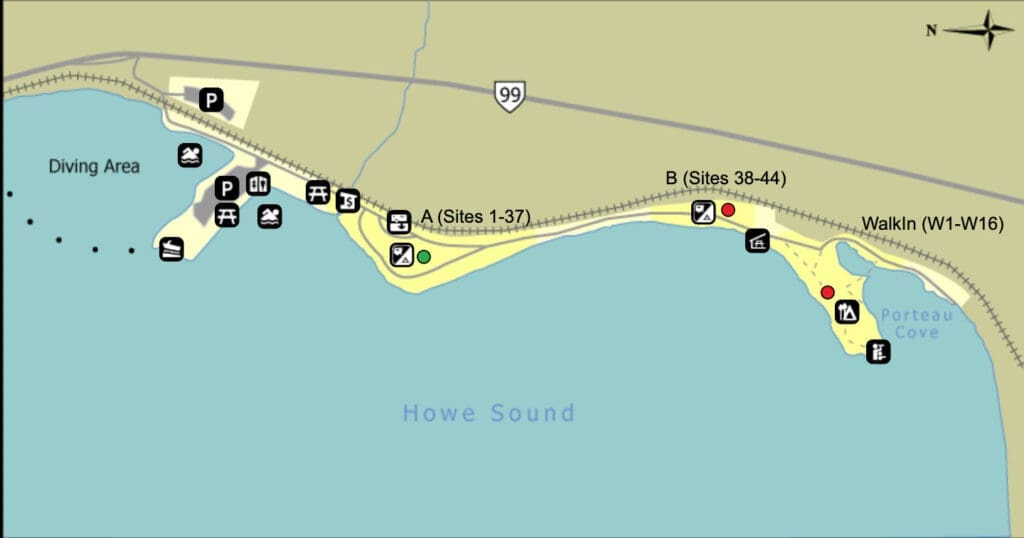
Don’t always trust the green circle…
Once you have settled on dates, the hard (and perhaps most stressful) part of the booking process begins: finding the right campsite at 7AM online. You first need to choose which zone you’d like: A has the nicest sites by far, but are also the most popular. B has good drive-up views for RV’s. The Walk-in area is pretty good all around but there is a waterfront row, and a non-waterfront row. So if you want the best of the best, go for section A.
The one green circle for the entire zone is only available for one night.
Then, you have to hope that the site you want is the one you’re choosing. Each campsite also has an availability calendar so that you can see if someone is checking out the day you want to check in. Then it’s a game of chance if you can beat someone else to booking at the right moment.
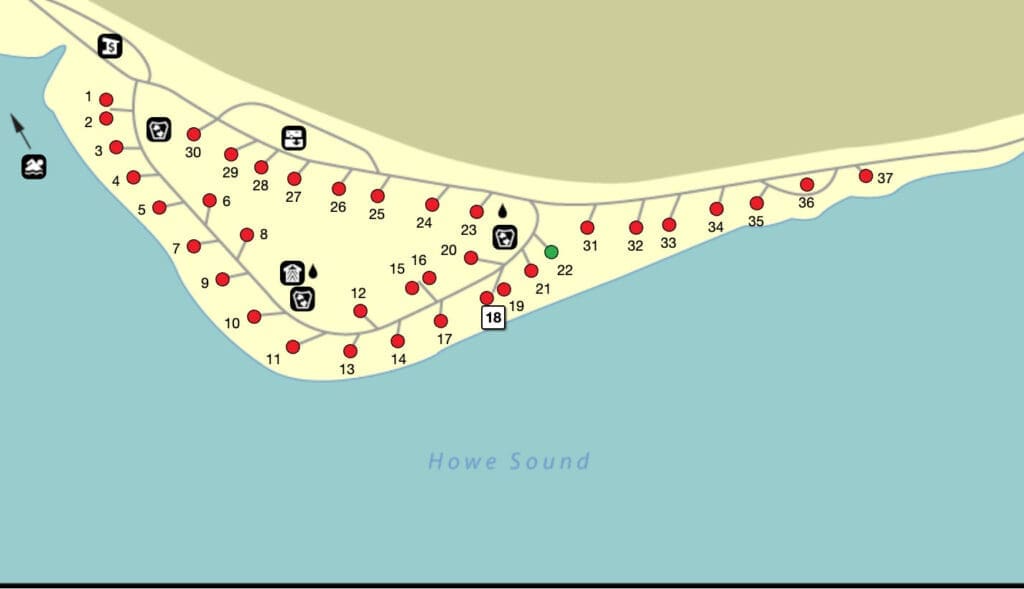
Campsites #13-22 are probably the best due to their southerly exposure and size. 18 and 19 are double campsites, so larger parties will want to book there for a quality setup. But really, it’s hard to go wrong with anything near the water.
We are partial to campsite #31 because it has waterfront access, but is also shaded with a nice large spruce tree, which also acts as a wind buffer. And it’s worth noting the wind here, which picks up like clockwork every day around midday. While the oceanfront campsites are nice, they are also exposed to the wind, which is important to keep in mind if you’re staying in a tent.
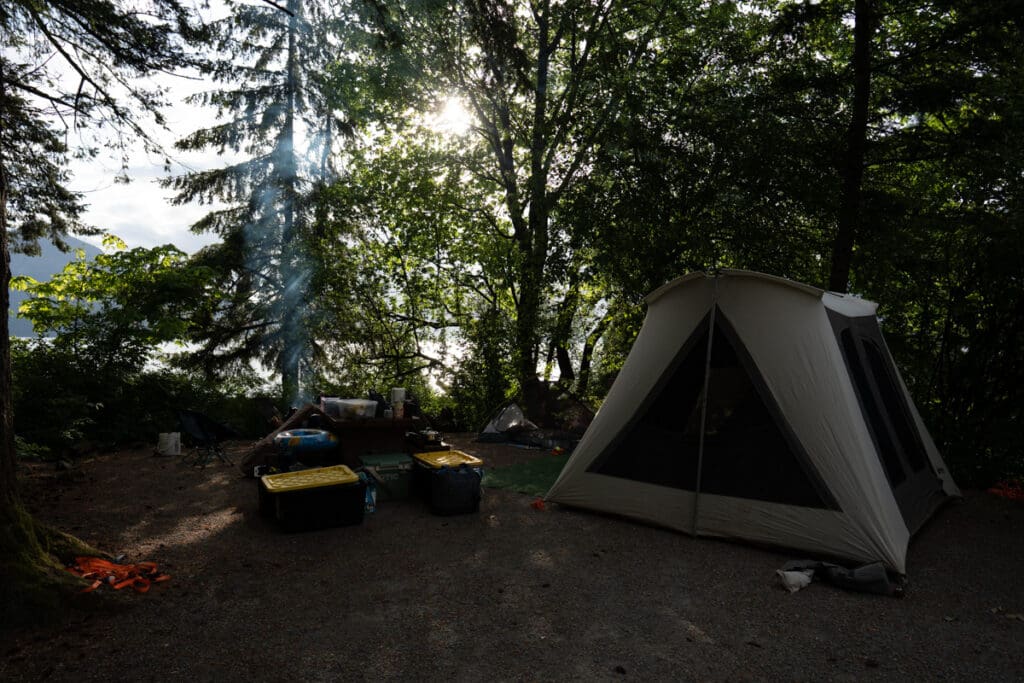
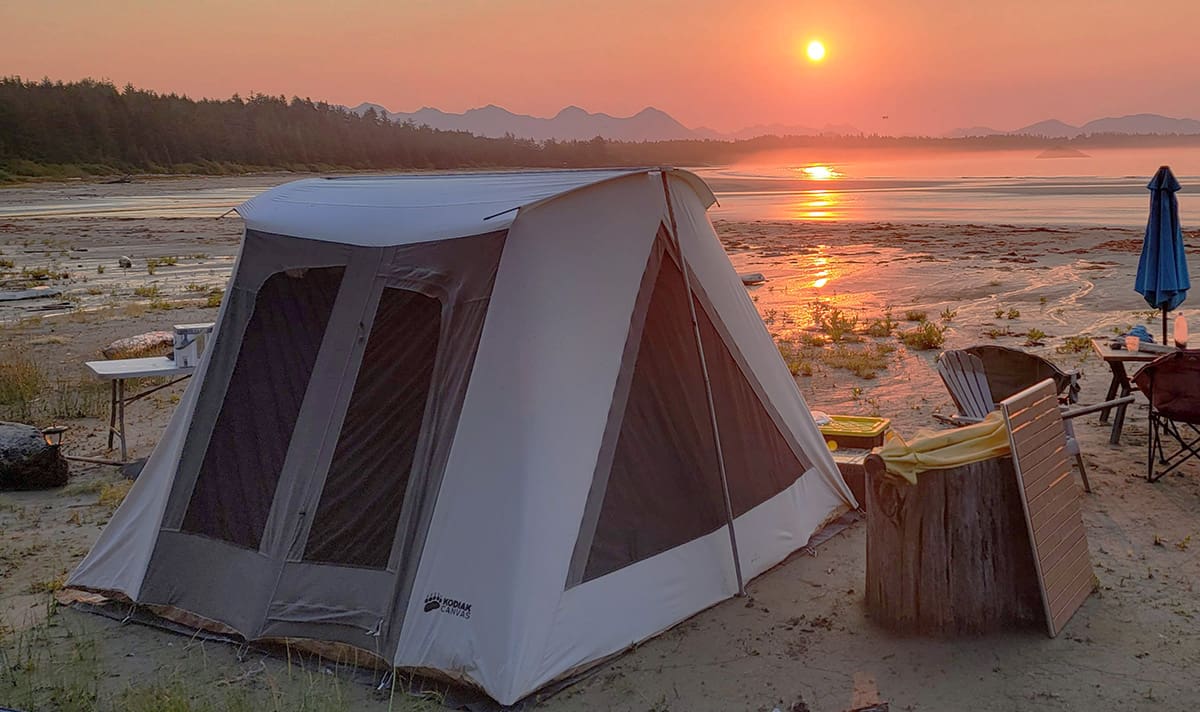
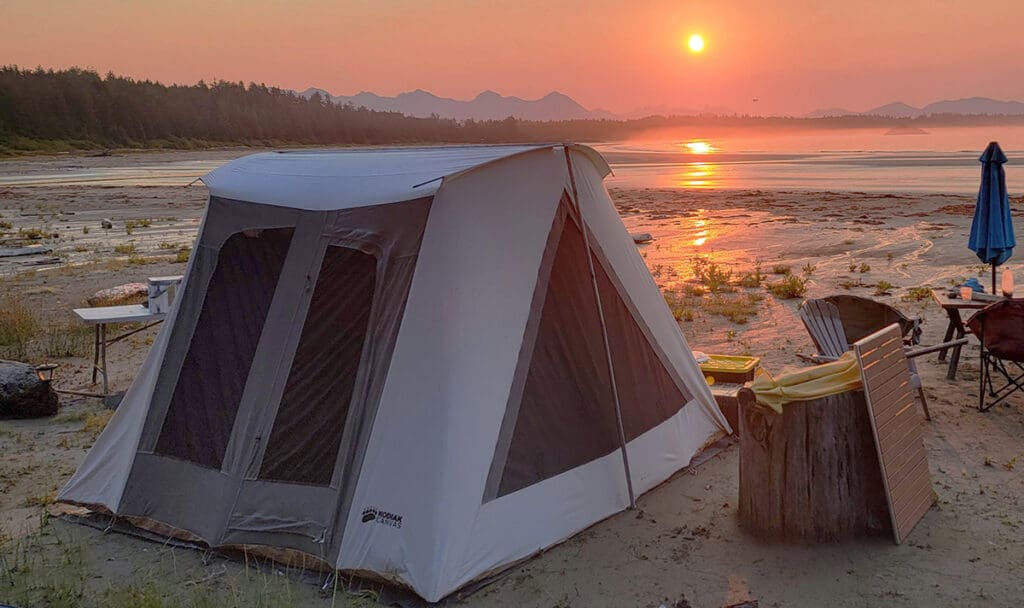
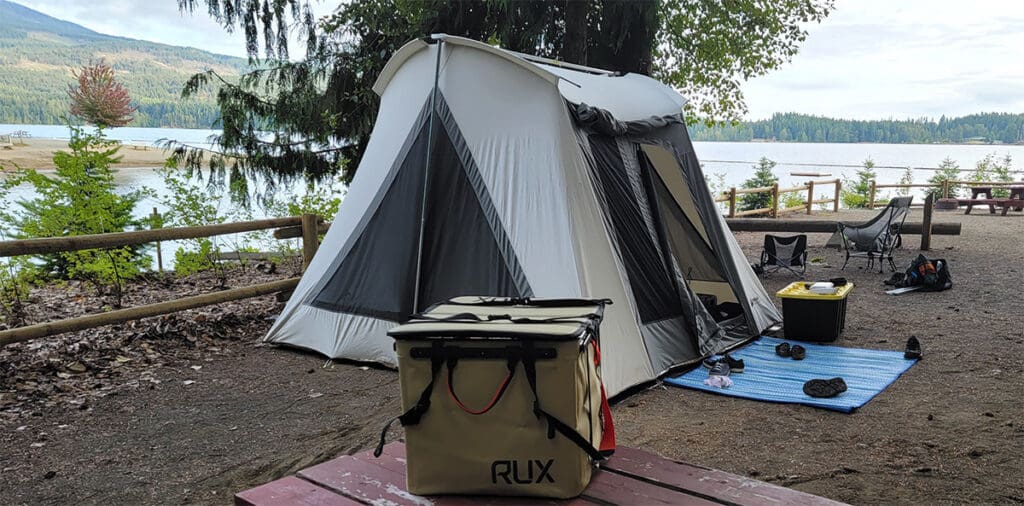
Speaking of tents – if you have a large tent that needs staking, the ground in the powered campsites can be incredibly hard. It was a chore staking in our Kodiak 10×10 tent in the hard ground with a heavy mallet. But well worth it once it was in!
Campsite #31 with the shade and beach access.
The Water
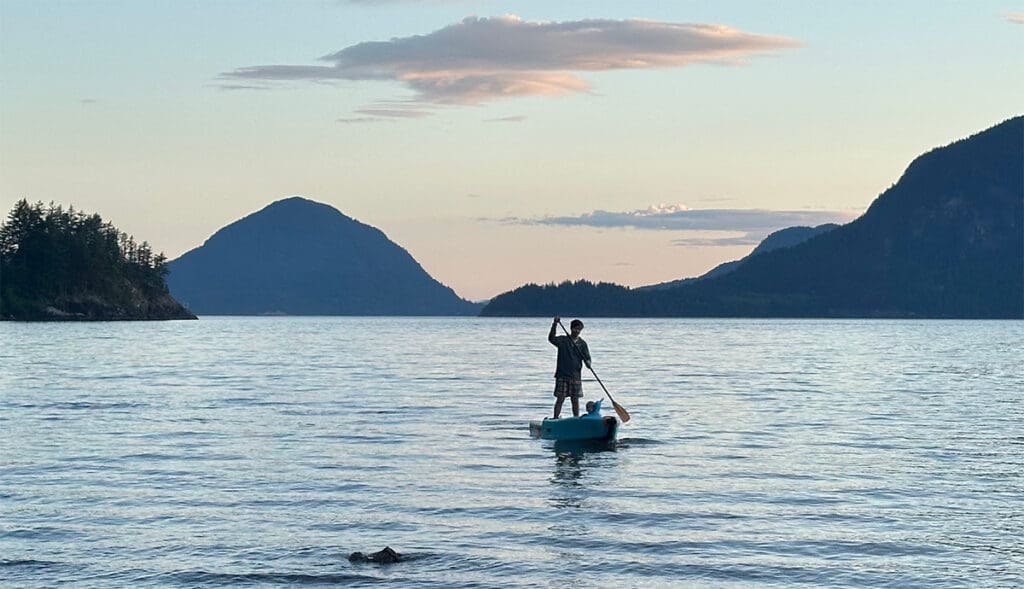
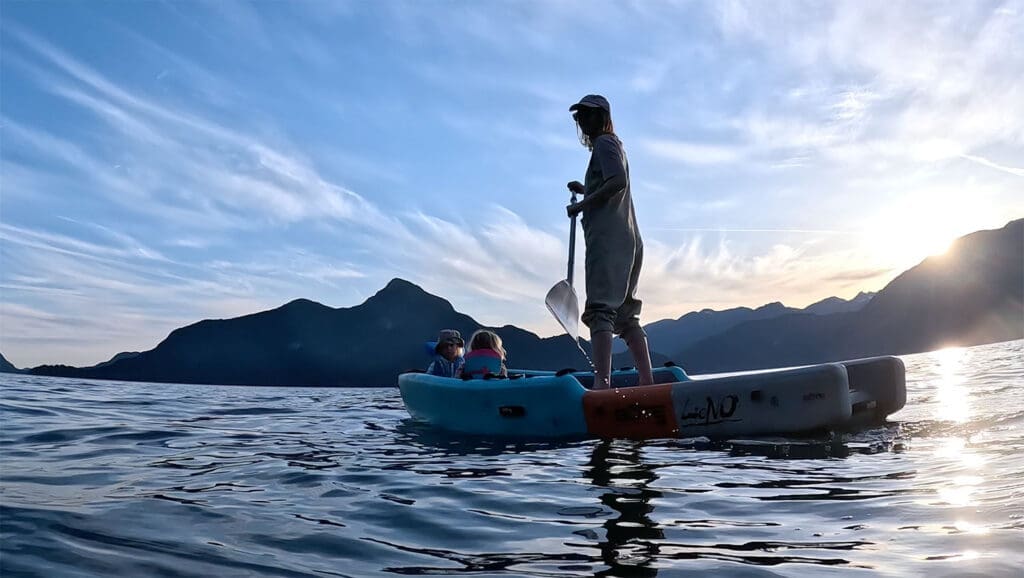
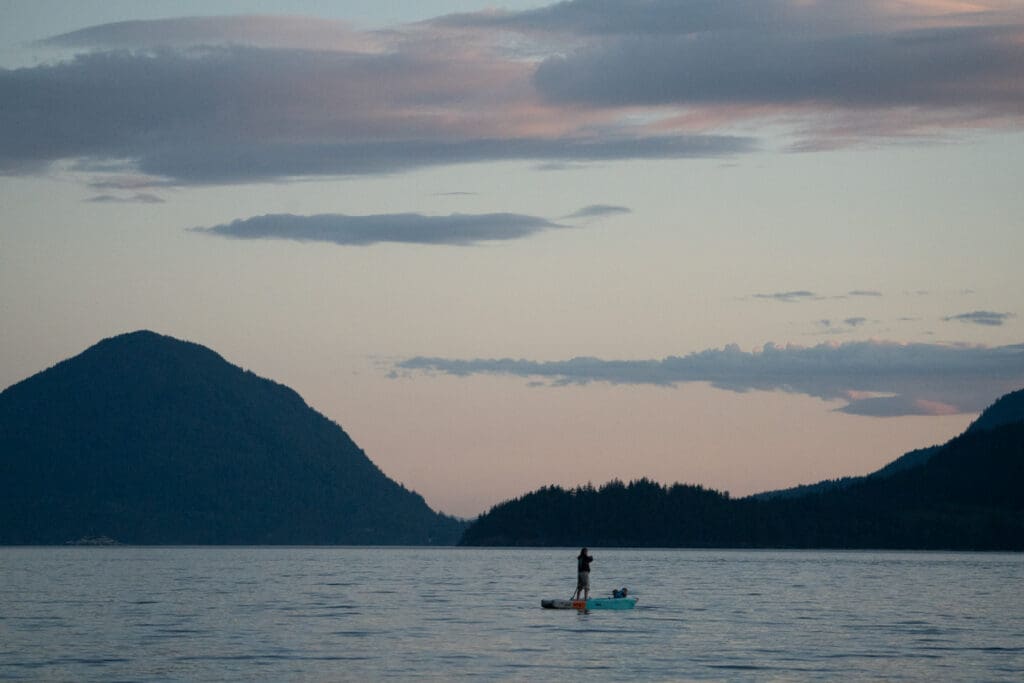
You don’t get many chances to have a fully serviced campsite next to the ocean, so it’s wise to make the most of it by investing in some sort of watercraft. People bring everything from fishing boats (there’s a boat launch in the public lot) to inflatable paddleboards. Whatever the vessel, it’s worth it to spend some time out on the water.
We went in springtime where there are massive schools of herring shimmering right beneath the surface. The kids loved seeing them sparkle and move en masse. With the herring comes other species that like to feast on them, so the wildlife viewing while out on the water is quite unmatched.
Porteau Cove also has a big yin and yang aspect to it with the water conditions. Mornings are generally calm; but by the afternoon the wind can pick up and make smaller boats unenjoyable. So we recommend getting up early and making sure you have some time on the water before it gets too choppy. When it does, there’s the namesake cove at the far end of the walk-in campsites that make it a bit easier to manage with children.
The biggest thing you’ll realize when you touch the water—but is worth a fair warning before you do so—is that it’s cold. Summer can be a bit better, especially from the cove where its a bit more shallow. But with the tide constantly moving and glacier runoff coming from the Squamish River, it’s not a pool in Vegas. It’s more one where you’d want to get in and get out fairly quick.
The other important fact about the “beach” at Porteau Cove is that its rocky, and in some spots peppered with barnacles. So a good pair of water shoes will go a long way to increasing enjoyment both above and below the tide line.
Speaking of tides—it can fluctuate quite a bit here. While it may be tempting to set up shop at low tide close to the water, make sure you can be light and able to move quickly. It’s not so quick that you’ll have to panic, but enough where if you leave the gear unattended for a few minutes, there’s a chance it’ll be floating by the time you get back.
The Vibe
If I had to give the camping experience at Porteau Cove a tagline it would probably be something like “The Most Accessible Nature Experience Near Vancouver”. It really is something special to be only a half hour from the city and feel like a world away. Aside from the highway sounds (which isn’t totally negligible, but the mind does begin to filter it out), you feel pretty remote despite being along a major thoroughfare.
At night is where it really stands out as a special place to visit. When the ocean is calm and the starlight flickers on the surface, you almost feel like you can touch the sky. The light pollution is minimal, especially when looking north. And speaking of looking north—it’s a fantastic spot to view the northern lights with the coast mountains silhouetted along the jagged horizon.
But daytime has its own special feeling to it, especially with kids as they explore the campground in relative safety. Our little ones love the flat grade of the road where they can zip up and down without fear of getting run over. Cars do still go along the road, but it’s so infrequent (especially in the afternoon) that we give our kids a bit more leeway to explore than when at home in the neighbourhood.
A Luxurious Bonus: Renting a Sauna
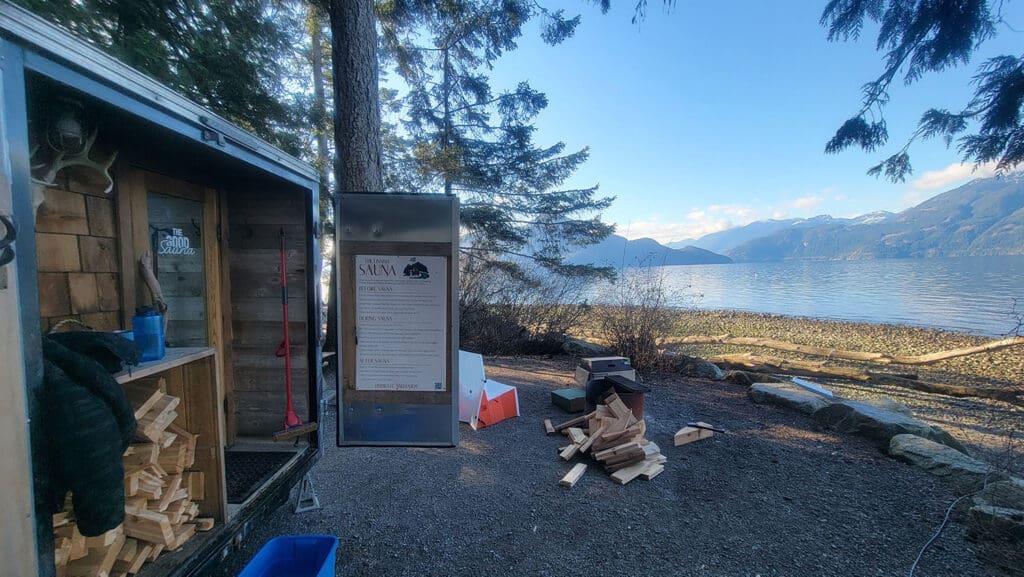
And if you really want to improve the vibe for the campsite (and make friends with your neighbours) we recommend a bit of a splurge and getting a sauna delivered. This is dependent on if there’s a fire ban, but if not, there is nothing like stepping out of a hot sauna and into the ocean… and then rinse and repeat. Our friends as The Finnish Sauna Co. would be happy to get you sorted. This is also something you should book ahead for, especially over the weekend. But it’s well worth the effort, especially if you have a few people to pitch in for the costs.
Important Facts About Porteau Cove
There are a few things to know if you do end up having the luck to get a campsite:
As of now, the water is unsafe for drinking/cooking, so pack in your own water.
There are showers available but they get busy in the morning, so plan on a shower in the early morning or late afternoon.
Campfire bans do go into effect when it’s dry. Be sure you check ahead of time to avoid disappointment, or bring a propane fire pit along if you can’t go without a campfire.
You can buy firewood and ice at the welcome station, but you’ll have to drive to Britannia Beach (only 5-7 minutes north) to get anything else, or further to Squamish if you really need to stock up properly.
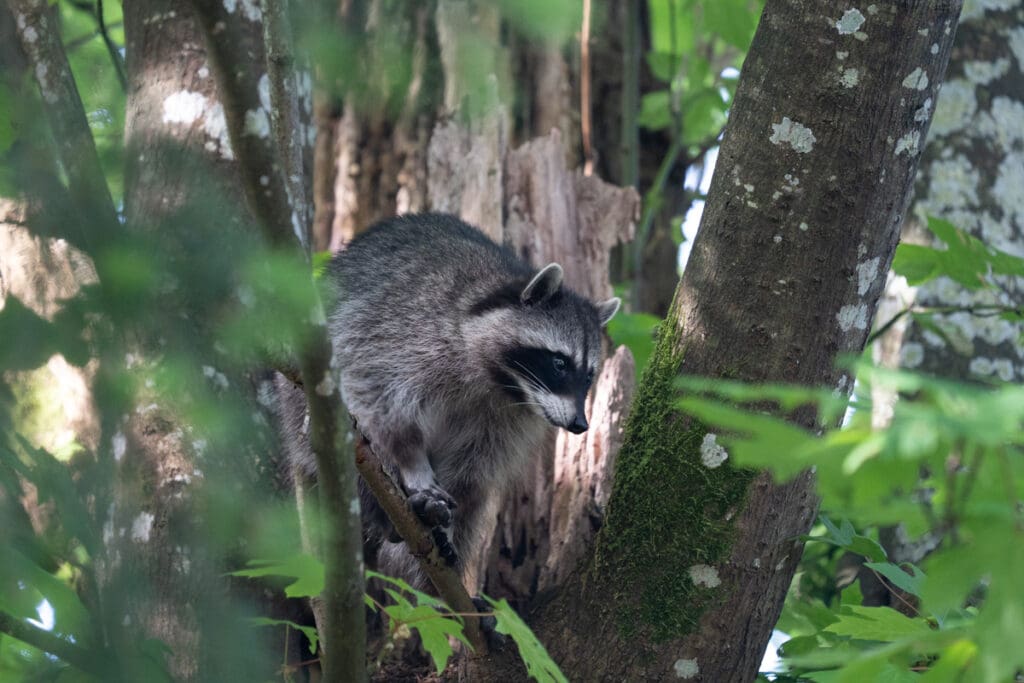
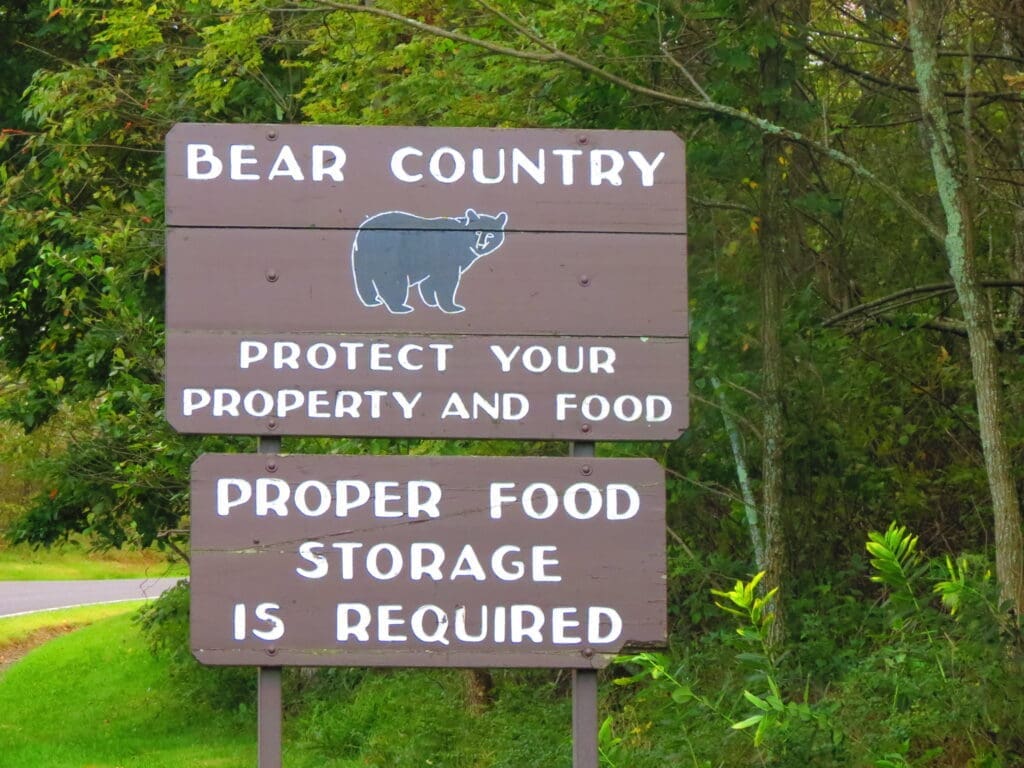
The animals here love human food, so be sure to stash any unattended food in the car. Racoons are particularly daring at night and will wait for the right opportunity. Birds and squirrels will hover around during the day. The staff will give you a warning if you leave food out, and reserve the right to kick you out if you don’t follow the rules.
The classic Trash Panda
To Sum it Up…
There aren’t many places where you can camp so close to the ocean where you have 3 million people only a half-hour away. It’s easy to see why it’s so popular. Although it can be a bit of effort to reserve a campsite, I promise it’s worth it.
Porteau Cove is well worth the journey, no matter if you’re coming from just down the road (like us) or are an international visitor renting an RV and touring around BC. It’s well worth the advance planning and hopefully you’ve found this guide in enough time for you to play campsite roulette at 7AM, 3 months before your stay.
There is much more to see and do along the Sea to Sky Highway, and we’ve got more great guides for you to check out. First thing you should do is check out our Sea to Sky Family Navigator web app which can get you the lowdown and help you plan a trip a bit more easily. Then maybe check out all the wonderful hikes for toddlers available in the Sea to Sky. We also have a free Wildlife Bingo for the kids if you would like to keep them occupied while travelling.
We will see you out there!
Want to Find More Great Spots? Check Out Our Free App
We made an app to help families navigate the Sea to Sky corridor a bit better. Check out the Sea to Sky Family Navigator app to plan your trip and find spots based on map, activity, location, and more! The best part, it’s free!
Sharing the landscape with bears is one of the most profound parts of living and playing in the Sea to Sky corridor. Whether you are navigating the mossy old-growth around Whistler (like Cheakamus Lake) or heading deeper into the backcountry, encountering a black bear or a grizzly is a reminder that we are guests in a very old, very active ecosystem. For families, “Bear Awareness” isn’t about fear; it’s about competence. It’s about building a set of habits that allow us to move through the mountains with respect and minimal impact. Here is the essential framework for staying safe in bear country.
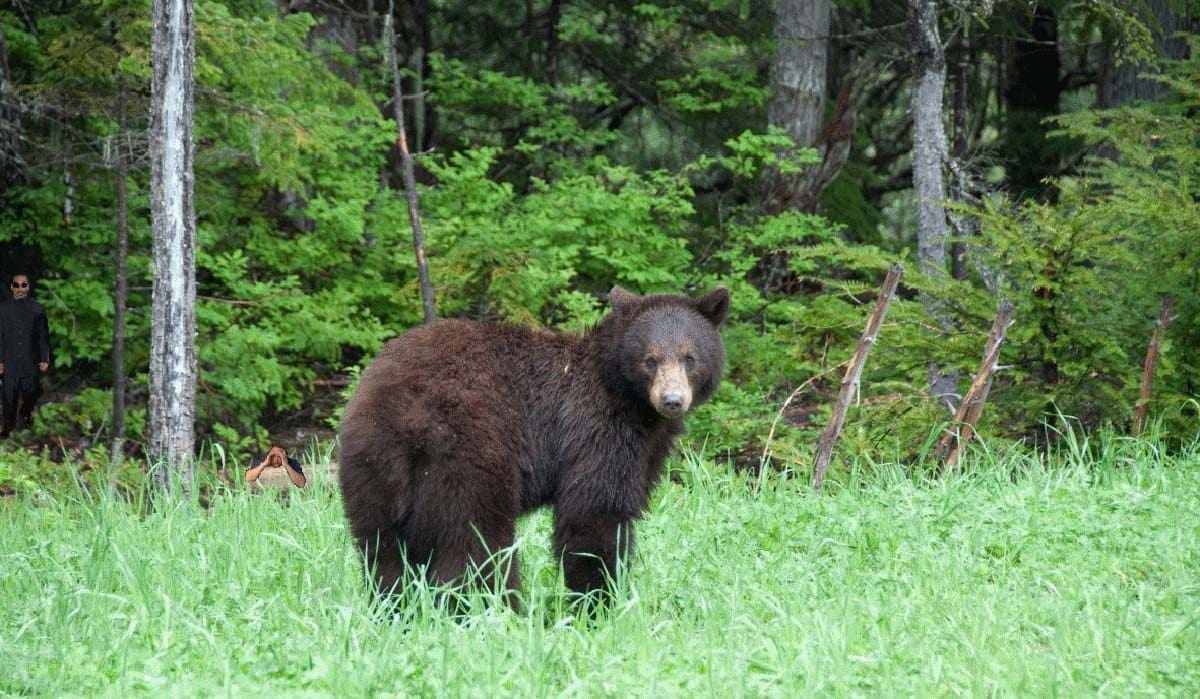
Credit: Topazladygem on Flickr
The Prevention Mindset: Don’t Be a Surprise Bears generally want as little to do with you as they do with a noisy leaf blower. Most “aggressive” encounters are actually defensive reactions to being startled.
Make Meaningful Noise: Forget the bear bells—they are often too quiet to be effective. Use your voice. Call out “Hey Bear” periodically, especially near rushing water, in dense brush, or when moving against the wind.
The Group Shield: Keep the family together. For a bear, a group of four people is a large, intimidating presence. For kids, make it a game: “No one gets further than a ‘high-five’ distance away” when in thick cover.
Situational Awareness: Ditch the earbuds. You need to hear the snap of a branch or the “woof” of a bear before you see it. Look for scat, turned-over logs, or marks on trees.
Bear Spray is Non-Negotiable
If you are on a trail in the Sea to Sky, you should be carrying bear spray. It is a highly effective, non-lethal tool, but it is only useful if it’s accessible.
Placement: Do not put it inside your pack. It belongs in a holster on your hip or your pack’s shoulder strap. You have roughly 2–3 seconds to react in a charge; you won’t have time to dig through your bag.
Know the Reach: Most sprays have a range of about 5 to 9 meters. Understand that wind will affect the cloud.
Practice: Buy an inert “practice can” to understand the trigger mechanism and the force of the spray without the risk.
The Encounter: Calm is Contagious
If you do see a bear, your primary job is to remain the “calm adult” in the room. Your children will mirror your energy.
Stop and Assess: Do not run. Running triggers a predatory chase instinct.
Identify Yourself: Speak in a low, calm, firm voice. This tells the bear you are a human and not a prey animal.
The Slow Retreat: Back away slowly, keeping the bear in your sight but avoiding direct, aggressive eye contact. Give the bear a clear exit route.
Pick Up Small Children: Do this immediately to prevent them from running or making high-pitched noises.
Quick Identification: Black Bear vs. Grizzly
Feature
Black Bear
Grizzly Bear
Profile
Straight face profile
“Dished” or concave face
Shoulders
No prominent hump
Distinctive muscle hump
Ears
Large, pointed
Short, rounded
The Camp: Attractant Management
A “fed bear is a dead bear.” In the Sea to Sky, our bears are highly intelligent and opportunistic.
The 100-Meter Rule: If you are backcountry camping, cook and store food at least 100 meters away from where you sleep.
Zero Trace: This includes “organic” trash like apple cores or orange peels. These scents draw bears to trails, creating “food-conditioned” animals that eventually have to be destroyed by conservation officers.
Storage: Use bear-proof lockers where provided, or a proper bear canister. If you’re hanging food, it needs to be 4 meters high and 2 meters out from the tree trunk.
The Big Picture: Respect over Fear We don’t go into the mountains to conquer them; we go to participate in them. Teaching your kids how to handle a bear encounter is an analog skill that builds confidence and stewardship. It turns a “scary” animal into a respected neighbor. For more deep dives into mountain safety and family logistics, check out the rest of our Sea to Sky Family Navigator series. Have you had a bear encounter while out with the kids? How did you handle it? Let’s keep the conversation going below.
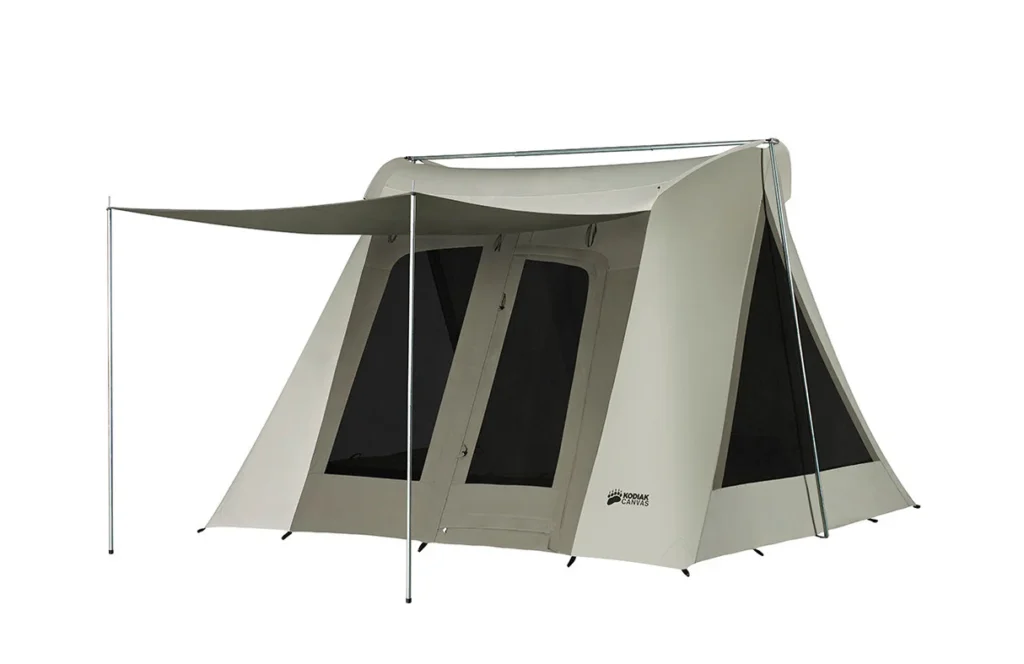
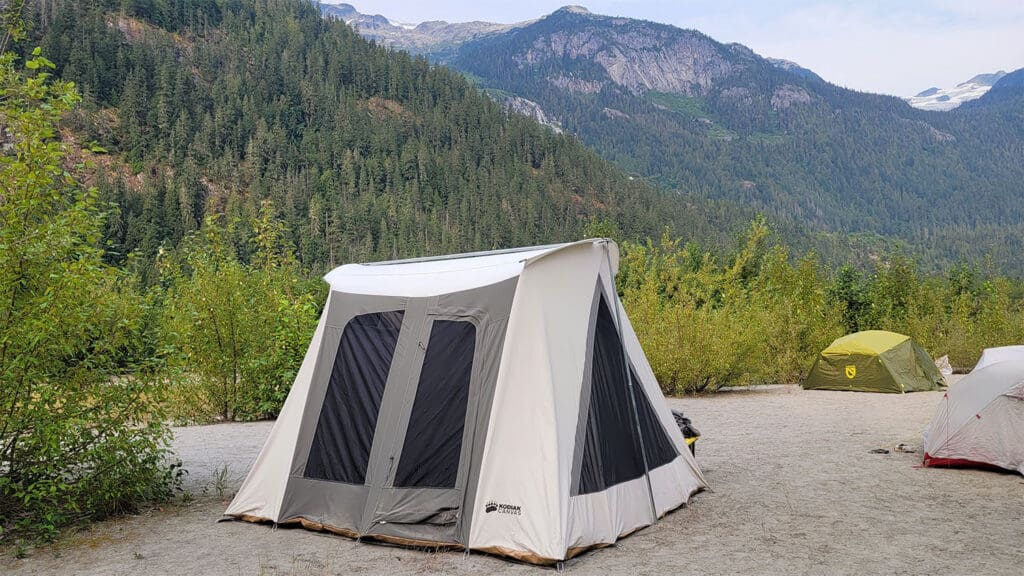
Before having kids, I was a minimalist when it came to camping. Light, fast, and easy were my guiding principles. After having kids, that changed. One of the first items I got was the Kodiak Canvas 10×10 VX tent. And while it’s not light, setup is actually pretty fast and easy. Maintenance, though, isn’t what I’d call easy, and being canvas it definitely needs a bit more love than your average nylon tent to stay up to snuff. But if you take the steps, you’ll have an incredible shelter that will become cherished in the family for many adventures to come. Let’s break it down a bit further, below.
The first thing you have to know about a Kodiak Flex Bow tent is that it’s not light duty by any means. At 60 lbs, it’s not going to be attracting any of the ultralight crowd. But that’s a whole other market anyway. Those people probably aren’t bringing kids along, either, or if they do, their kids will end up swinging the other way when they are older and only want to go camping in RV’s. Heh, heh. Maybe not, but the thought of doing anything ultralight with children sounds like far too much planning than anyone I know with kids can handle.
Once you get the heaviness out of the way, you’ll also notice a lack of poles, although the poles it does come with are quite heavy-duty. If you have never used a flex-bow tent, you’re in for a treat. It really only takes one time to learn how to set it up, and from then on the setup process is remarkably fast. Basically, you set up the roof by putting it under tension using the heavy-duty rods, and add the side supports. Make sure it’s properly staked for the tension to work properly. But that’s it. You can realistically have the whole thing setup in less than 10 minutes, assuming the campsite is already clear.
Notable Features of the Kodiak Canvas Flex-Bow Tent
You can find the features by the name of the tent. The first one is in the material: canvas. Being made of waterproof duck canvas adds a heavy-duty element to the tent that you can’t find in nylon or any other synthetic material. Sure, it costs a pretty penny, but you will also find it incredibly rigid and supportive, no matter the weather happening outside. We have successfully used it in rainstorms where it rained over 1 inch in 12 hours, on top of dry playa desert surface, at Burning Man. If anyone heard of the infamous rains at the event in 2023, we were there, and the Kodiak kept us dry. The thick floor also lends to that, and the fact that it rises up to give a bit of a bathtub protection from water coming in was a huge advantage when the rain started filling in. We were safe, and would have been for another few inches of flooding.
The other part of the name that stands out is the flex bow. This is the main feature that gives the tent its shape and provides a solid support where the staked-out tent can spread out from. It’s an ingenius design and isn’t exclusive to Kodiak, but the use of their premium materials means it’ll be durable and long-lasting.
A tent like this makes car camping with kids a breeze.
Drawbacks to the Kodiak Canvas Tent
The weight was already mentioned, so it doesn’t need to be expanded upon. But it’s heavy. So car camping is the only realistic use for this tent, especially if you have kids in tow.
The other main drawback to the tent is the canvas material. It definitely needs a bit more TLC than your average synthetic material tent. If you pack the tent up wet, you’ll need to set it back up at home to fully dry out before packing it up, which could take up to a day… and may not happen if you’re in a wet climate such as the Pacific Northwest in winter. You’d need a heated shed or something for it to dry out properly. So it’s not for everyone, especially if you don’t want to deal with soggy gear at the end of a camping trip. But if you have the space to dry it out and don’t mind the step, it isn’t a huge deal to work with.
Also for a large tent you have a huge footprint to deal with, so unless you’re at a prepped campsite it will be extra work to prep. Not a big deal, but it’s definitely something to keep in mind.
The Utility Tent is a great option for an additional shelter.
Final Thoughts
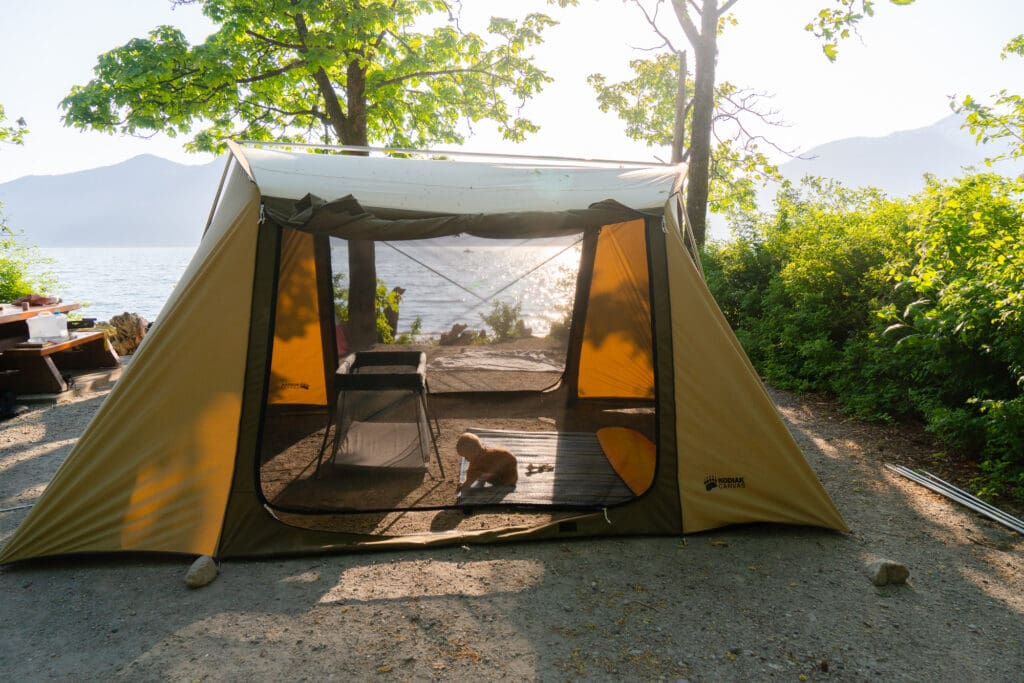
Kodiak’s canvas flex-bow tent is a beast. But with the added weight and bulk comes a roomy and spacious shelter that you can stand up in, fit a queen sized mattress inside with room to spare, and enjoy protection from the elements. The VX version has massive windows that zip down for extra pretty views, as well as airflow. It’s not one tent to rule them all, but if you have an extended stay and want to camp in comfort, we found this to take the cake for convenience, durability, and great living space.